As we reach the end of the first half of the Autumn Term, I am delighted to share with you another edition of our parent bulletin, celebrating the many achievements, opportunities and successes that have already taken place this year. The opening weeks of term have passed incredibly quickly and, as you will see throughout this bulletin, they have been filled with energy, enthusiasm and a tremendous sense of community. It has been particularly pleasing to welcome our new Year 7 and Year 12 students into the school. They have settled exceptionally well and have quickly become valued members of our community. Alongside them, students across all year groups have made a fantastic start to the academic year, embracing the opportunities available to them and demonstrating our CORE values of Commitment, Opportunity, Respect and Excellence in all aspects of school life.
One of the highlights of the term was our Open Evening, where we welcomed more than 900 visitors to North Leamington School. As always, our students were our greatest ambassadors. Whether acting as tour guides, subject ambassadors, performers or student leaders, they showcased the very best of our school. The feedback from prospective families was overwhelmingly positive, with visitors consistently praising the confidence, maturity, kindness and enthusiasm of our students. They were a genuine credit to themselves, their families and our wider school community.
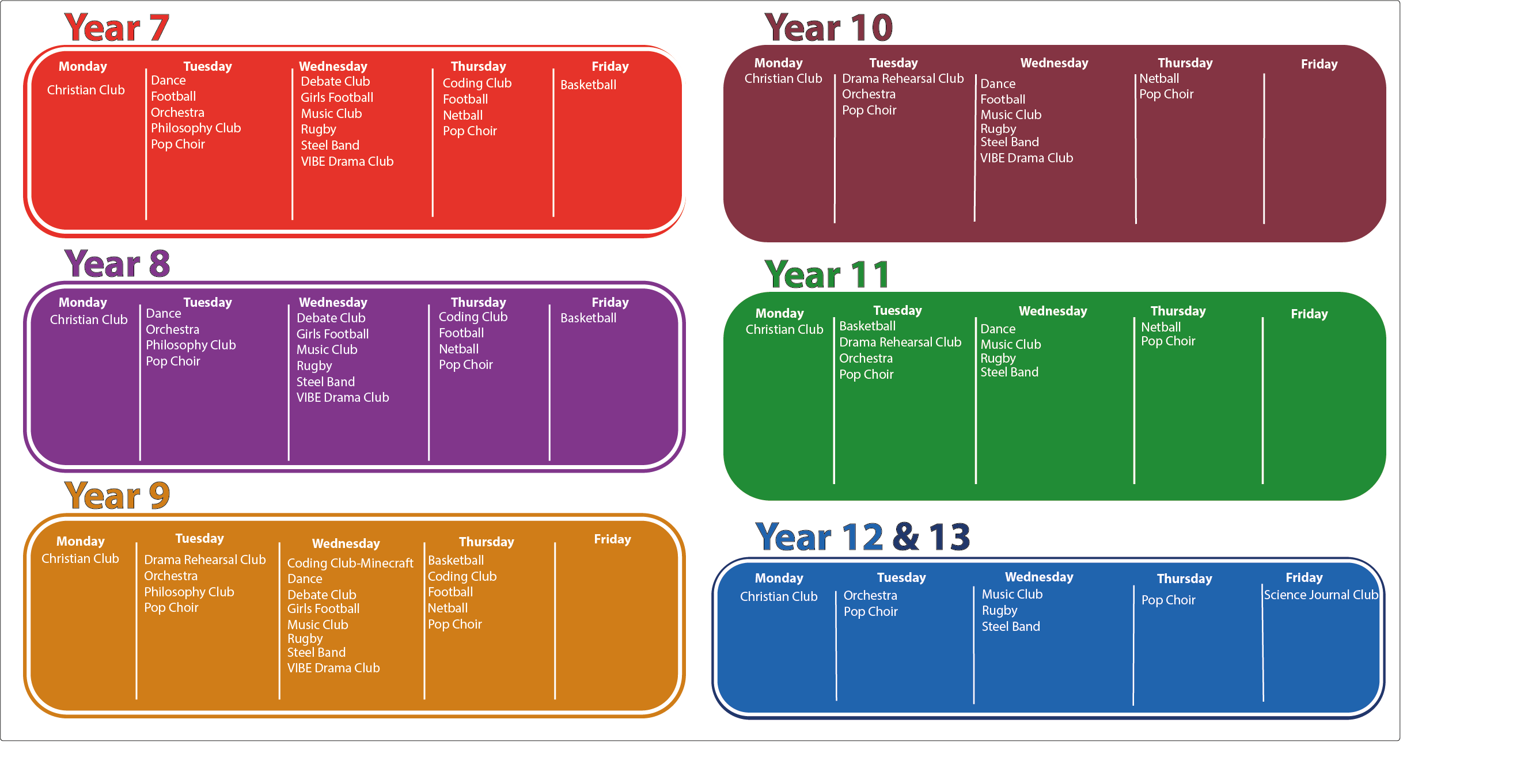
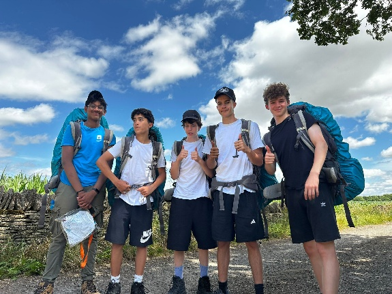
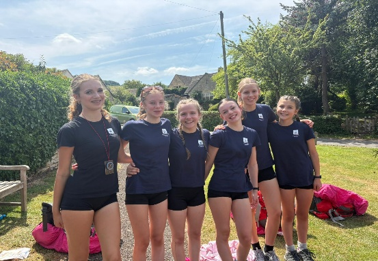
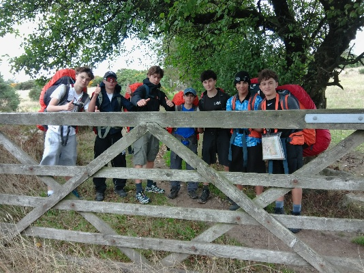
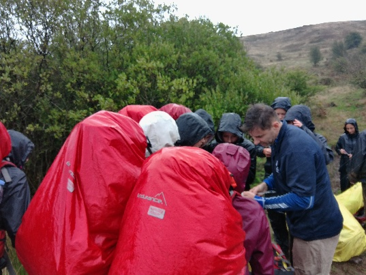
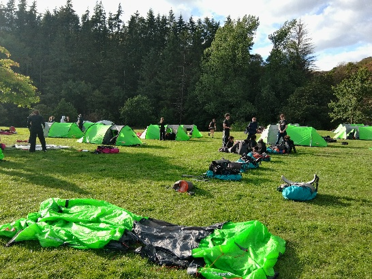
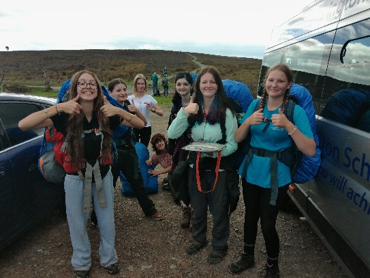
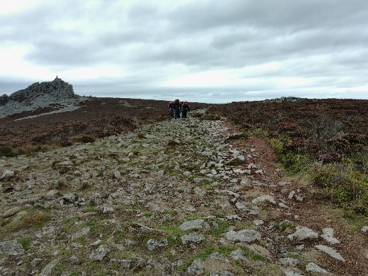
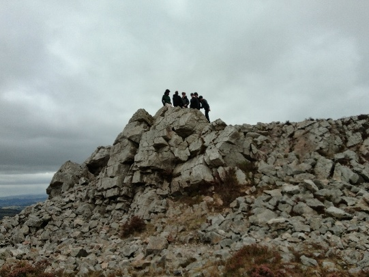
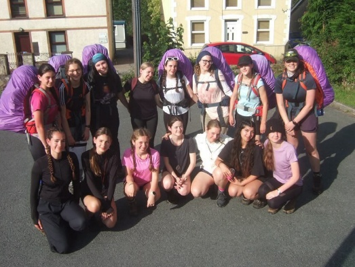
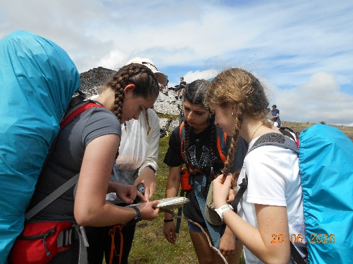
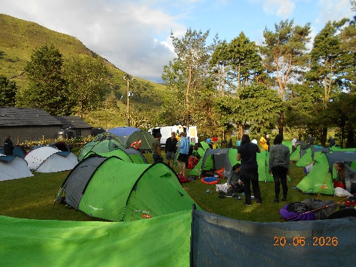
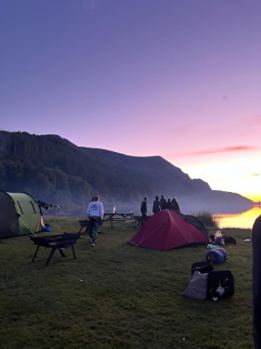
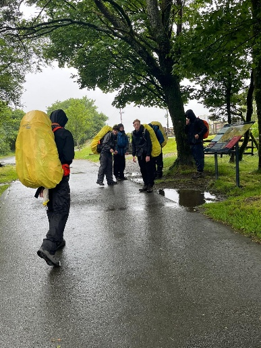
It has also been wonderful to see so many students engaging with the wider opportunities available beyond the classroom. From clubs and sports teams to leadership roles and the Duke of Edinburgh's Award Scheme, students continue to demonstrate that learning at North Leamington extends far beyond lessons. I was particularly pleased to see so many families attend our Bronze Duke of Edinburgh Launch Evening this term as a new cohort of students begin what promises to be an exciting and rewarding journey.
This half term has also seen the appointment of a new group of student leaders across the school. These students play a vital role in helping to shape and improve our school community, ensuring that student voice remains at the heart of what we do. I would like to congratulate all those who have taken on leadership responsibilities and thank them for the positive contribution they are already making. As we move towards the second half of the autumn term, there is much to look forward to. Our Year 11 and Year 13 students continue to prepare for their next stages of education, whilst students across the school are engaging with new learning, enrichment opportunities and experiences that will help them grow both academically and personally.
Our website continues to be updated regularly with important information, news and guidance for families. I would particularly encourage parents and carers to visit our safeguarding and online safety pages, where a range of useful resources can be found to support young people both in and out of school. You will note the July online safety newsletter has some helpful signposting to the pending social media ban for under 16’s and useful tips on the use of WhatsApp for those over the age of 13 and live streaming here https://www.northleamington.co.uk/student-life/student-support/online-safety
As always, I encourage you to take time during the half-term break to celebrate your child's successes. Whether these are academic achievements, improvements in attendance, contributions to school life, sporting accomplishments, acts of kindness, leadership responsibilities or simply the effort they show each day, these small successes build confidence and lay the foundations for future achievement.
Thank you for your continued support and partnership. The strength of the relationship between home and school remains one of North Leamington's greatest assets, and we are grateful for everything you do to support your child and our wider community.
I wish you and your family a restful and enjoyable half-term break and look forward to seeing students return refreshed and ready for another successful half term.
We warmly welcome prospective Year 12 students and their families to our Sixth Form Open Evening on Wednesday 11 November 2026 from 6.00 to 8.00pm.
Join us to discover what our Sixth Form has to offer and how we support all our students to reach their potential.
The evening is a great opportu...
Today, Friday 9 October, we are supporting Hello Yellow to mark World Mental Health Day (tomorrow) – and to raise funds for YoungMinds, a mental health charity for young people.
Students were invited to wear a yellow accessory alongside their usual NLS uniform to ra...
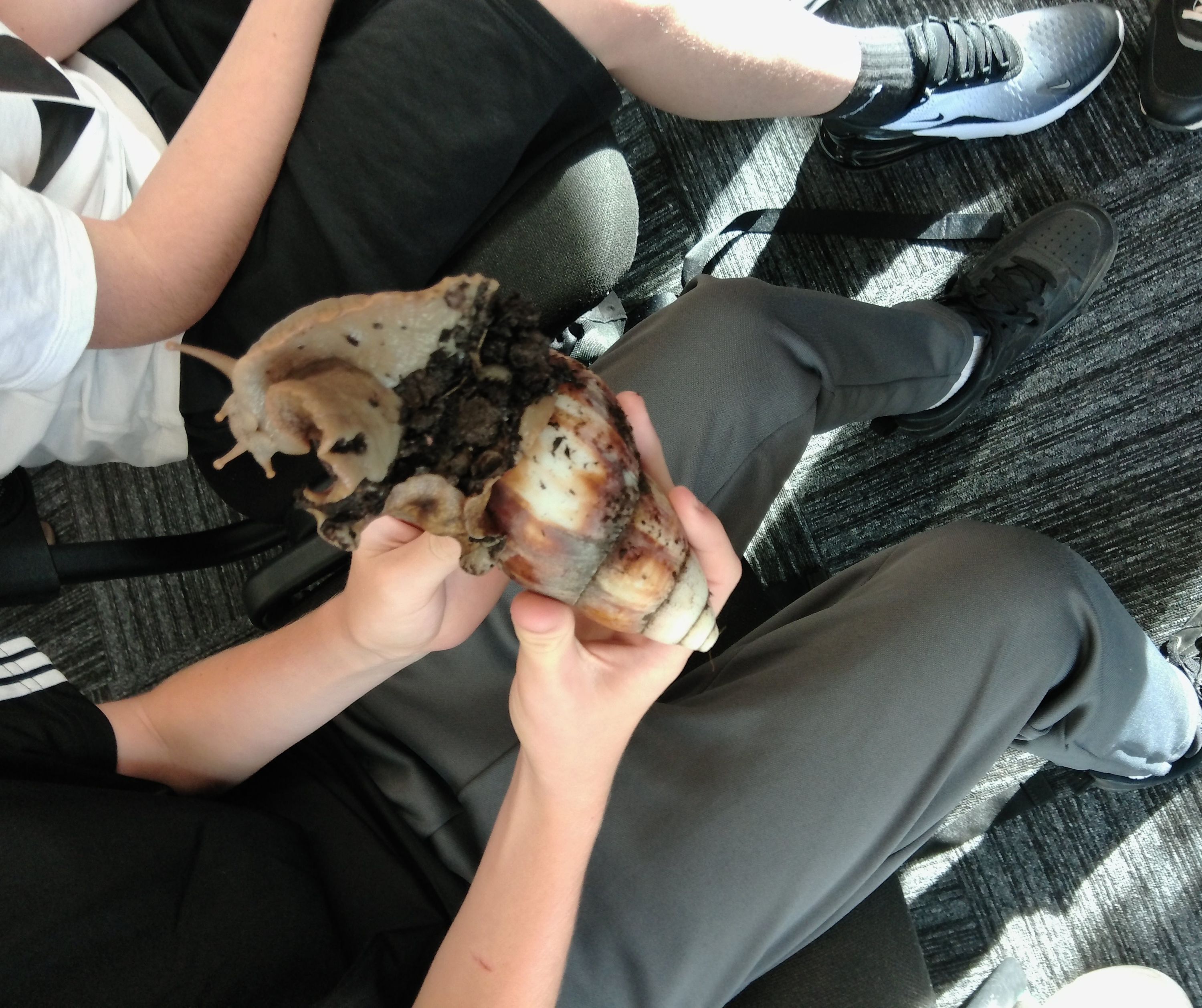
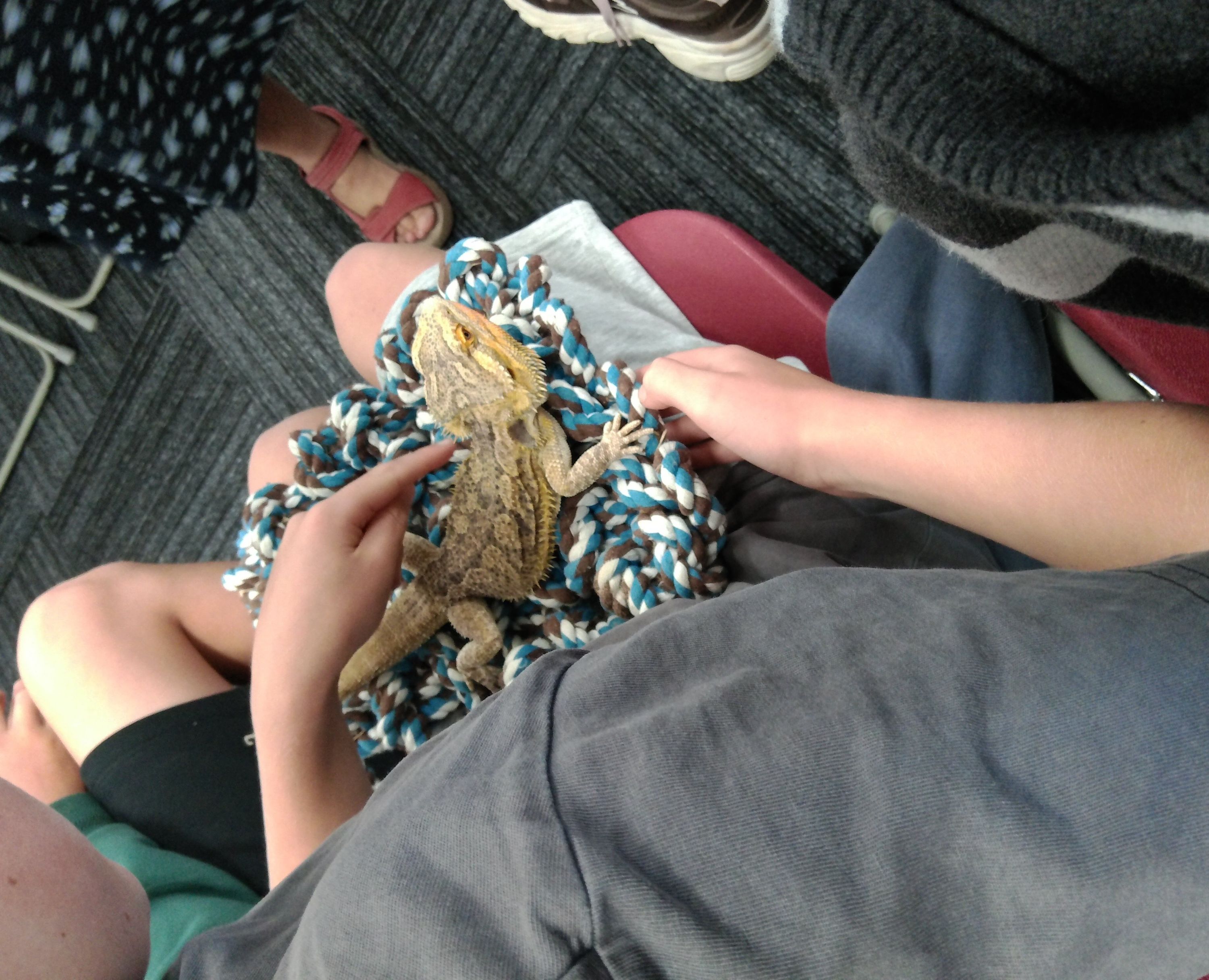
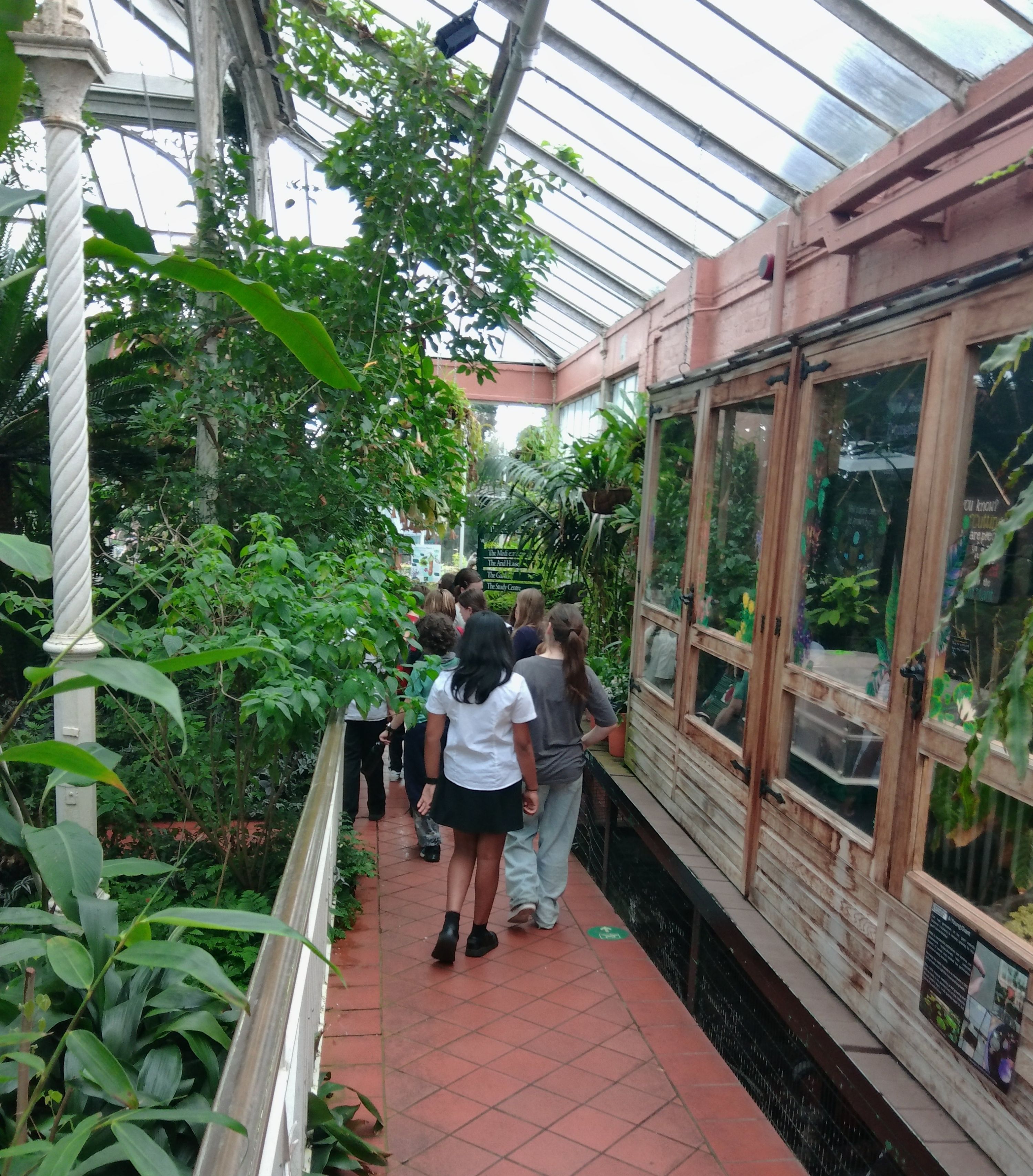
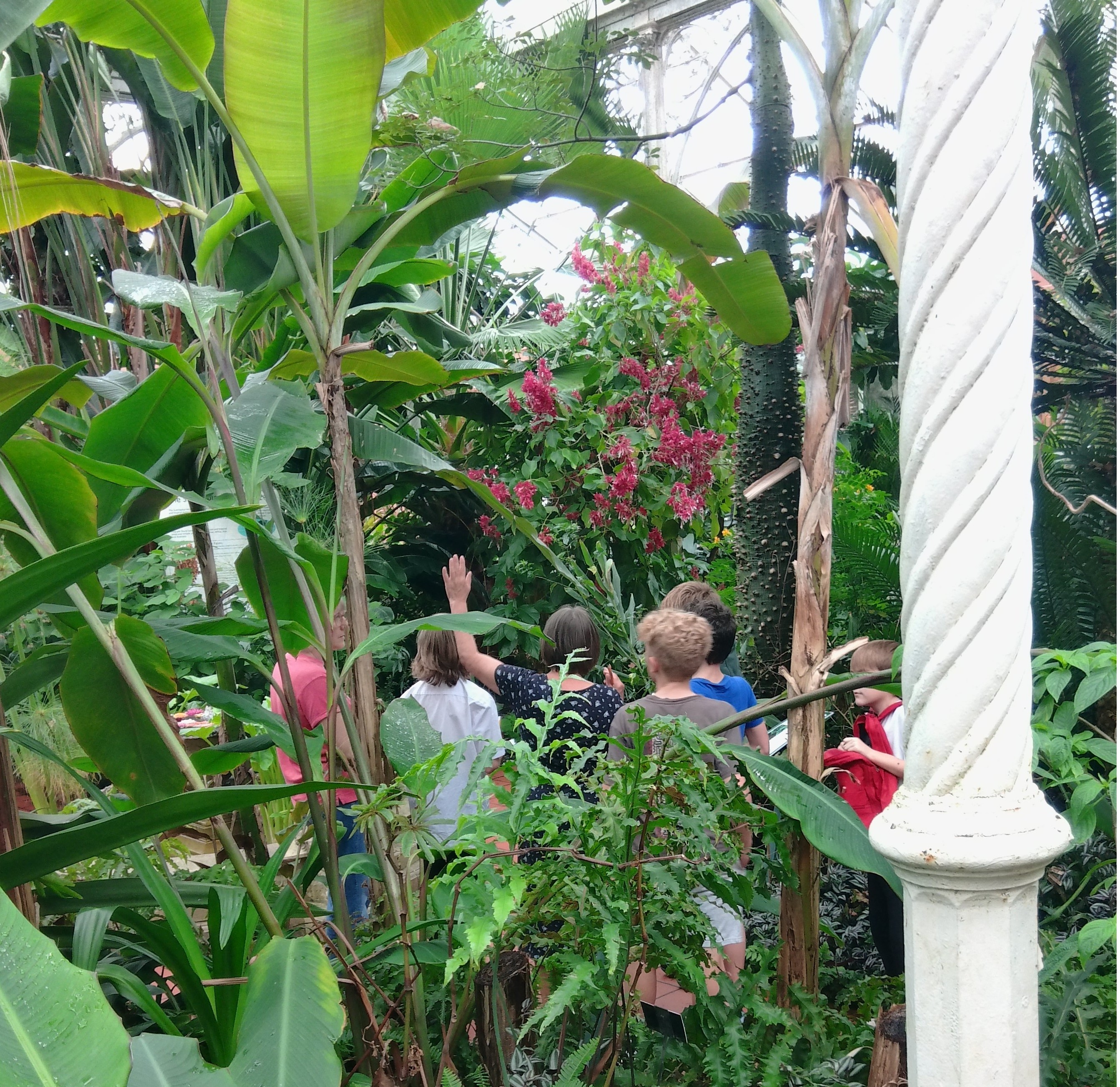
Year 7 had a brilliant time exploring the Birmingham Botanical Gardens last week, with students attending over three days in their Tutor Groups.
The visits provided a fantastic opportunity for students to learn about the natural world while also building relationships within their Tutor Groups...
Year 7 have settled into secondary school life exceptionally well, making a positive start to this exciting new chapter. Although moving from primary to secondary school brings plenty of changes, students have approached the experience with confidence and maturity. They are becoming familiar w...
It has been an excellent first half term for Year 8 at North Leamington School. It has been wonderful to see students settling into their role as positive role models for our new Year 7 students, while also welcoming and supporting those who have recently joined us in Year 8. As always, it has been...
As we come to the end up the first half-term of Year 9, we want to take a moment to celebrate the excellent progress so many students have made and to share some important information about the term ahead.
We are incredibly proud of the hard work and dedication Year 9 students have shown througho...
As we reach half term, I’m delighted to update you on the fantastic progress and achievements of our Year 10 students. They have started this academic year with such enthusiasm and maturity, and I couldn’t be prouder of their efforts.
One of the first major milestones of the term so f...
As we come to the end of our first half term, I wanted to share an update on how positively Year 11 have begun what is undoubtedly a significant and memorable year in their school journey. It has been encouraging to see so many students approach the new academic year with purpose, determination and...
Well, that first term seemed to pass by incredibly quickly! I hope it has been a good one for you and your children as we look to celebrate this term’s achievement and look forward to the break…
Sixth Form Careers Event
While we are mindful of ensuring attention to the present, it...
Students enjoyed their first College Assembly of the year in September. College assemblies are a lovely opportunity for students to meet in their Colleges and also to welcome our Year 7s.
Competition amongst the Colleges will be fierce again this year for events and we start the year with Blackdown just in front with the highest number of rewards this half term.
Following the appointment of our Senior Student Leaders and Assistant Senior Student Leader last term, we are delighted to share the student leadership appointments this term. There are a wide range of leadership opportunities available across all year groups, giving students the chance to develop their skills and make a positive contribution to school life.
Our Year 12 Student College Leaders and Year 11 Deputy College Leaders play an important role in supporting their College and Year Lead throughout the academic year. Their responsibilities include presenting in assemblies and helping to organise and support a range of College activities. A key aim is to promote College identity, encourage student engagement and strengthen College spirit.
Year 12 College Leaders and Year 11 Deputy College Leaders
Year 10 Careers Leaders
Year 10 Sports Leaders
Year 9 Charity and Community Leaders
Year 9 Equality and Diversity Leaders
Year 8 Digital Literacy Leaders
Year 8 International Leaders
Year 7 students will have opportunities for Eco Leaders and Transition Leaders later in the year.
Congratulations to those appointed. We wish all our Student Leaders a successful year. We look forward to their achievements and hope they all enjoy their role.
Year 10 students have made a fantastic start to the term and have enjoyed learning about Enterprise, entrepreneurship and how to put business ideas into practice. They have been very creative finding ways to add value to a potato. Alongside developing their business knowledge, students have also been strengthening their literacy skills by learning and applying a range of new terminology and key business terms.
It is imperative that all students complete revision resources and practice questions from the workbook to check understanding. All resources are can be found on the Digital Learning Hub. There are support sessions after school on Tuesday for students to help with revision strategies or course content if needed.
In addition to the resources on the Digital Learning Hub, we recommend purchasing a Business revision guide – Pearson REVISE Edexcel GCSE Business Revision Guide incl. online revision and quizzes – for 2026, 2027 exams.
Year 11 students have made a great start to Topic 2.3 Making Operational Decisions this half-term. They have enjoyed studying the methods of production, quality techniques and supplier relationships with particular focus on the automotive industry. It is important that all students continue to update their revision resources for all topics covered in lessons. Students have completed an assessment to identify gaps in learning and this will enable us to put appropriate support in place.
Intervention for Year 11 students will resume after half term on Tuesday after school. All students have been given a Revision timetable for Business which they can adapt to fit in with their other subjects. Students need to ensure revision is in place for their December mock.
Year 12 students have made a great start to their sixth form studies this term and have enjoyed learning about the market, elasticity, demand and supply. They have investigated the fundamentals of setting up a new business through researching forms of ownership and sources of finance available.
Students should be consolidating all revision notes for both themes and developing their balanced chains of arguments. All topic PowerPoints, exam questions and gap tasks are on the Digital Learning Hub. If students need any support with either exam technique, revision methods or they have questions over content there are sessions available after school on Tuesday and Wednesday.
In addition to the resources on the Digital Learning Hub we recommend purchasing a Business revision guide -
Pearson REVISE Edexcel AS/A level Business Revision Guide & Workbook: for home learning, 2022 and 2023 assessments and exams.
Year 13 students are enjoying the challenge of the Globalisation module, in particular the topics of International Trade and Trading Blocs.
As part of their learning, students were challenged to create interactive teaching resources to deliver a lesson on Trading Blocs. They responded with imagination and enthusiasm, producing a wide range of creative and engaging materials. Among the highlights were Trade Blocs Trumps, Battleships and a variety of games designed to make learning both fun and informative.
After half term, students will begin focusing on their pre-release topic in preparation for Paper 3. In addition to this, they need to continue to review revision materials from Year 12 and actively identify any gaps in their knowledge. To support this process, students will complete a mock Paper 3 exam in November. The results will help us pinpoint areas where individual students may need extra support, which will be addressed during our targeted support sessions.
Year 12 Economics students have been developing their understanding of how the economy works using diagrams and analytical skills. Students have covered a wide range of topics, including economic growth, GDP, inflation, unemployment, the balance of payments, positive and normative statements, demand, and price elasticity of demand (PED).
Students should continue to build comprehensive revision notes for both Macroeconomics and Microeconomics. All required resources have been emailed to students and should be used to support their learning and revision.
If students require additional support with exam technique, revision strategies, or any aspect of the course content, after-school support sessions are available every Wednesday. These sessions provide an excellent opportunity to ask questions and strengthen understanding ahead of assessments.
A reminder we recommend this book as a study guide for exam preparation -
CGP A-Level Economics Complete Revision & Practice.
The new school year welcomed Mr Wilson to the Computer Science department.
We also welcomed our new Computer Science Student Subject Leaders.
The subject leaders have worked with the department to prepare the launch of new extracurricular clubs, which are scheduled to begin next half term.
Year 7 – Using a Computer A warm welcome to our new Year 7 students! During this half term, students familiarised themselves with the school network and learned how to use computers and the computer rooms safely and effectively, including how to use OneNote for their lessons.
Students were shown how to access Go4Schools to check their timetables, view homework and monitor their progress. Please ask your child to demonstrate this at home. They may need reminding to select the “Sign in with Microsoft” button; otherwise, signing in to the Go4Schools website at home follows the same process as it does in school.
Students also developed a greater understanding of how to stay safe and act responsibly online. They explored a range of potential threats, including fake websites, safe searching, copyright, cyberbullying and online predators, and learned how to report potential dangers.
All students have access to our learning resources through the Digital Learning Hub (DLH), under the ‘Computer Science’ section. These include teacher presentations, knowledge organisers, extension tasks, revision materials, flashcards and curriculum overviews. The DLH provides an excellent resource for students to address gaps in their learning following an absence and to revise for upcoming assessments, tests and examinations.
Students also have access to an electronic exercise book in which they complete their lesson tasks. This is available through the DLH by clicking on the OneNote link.
Year 8 – Computational Thinking This half term, students explored the four main theoretical cornerstones of computational thinking: abstraction, decomposition, pattern recognition and algorithms. They also made connections between these concepts and everyday activities, as well as other subject areas, such as recipes in Food Technology.
Year 9 – Cyber Missions This half term, students further developed their understanding of cybersecurity through the Cyber Explorers Missions platform, created by the Department for Science, Innovation and Technology (DSIT).
This unit of work closely links to our careers programme and the development of Skills for Life. The platform had been accredited by the Scottish Qualifications Authority (SQA), and students who successfully completed the relevant requirements were eligible to receive a certificate of achievement equivalent to SCQF Level 5.
Cyber Champions Please join us in congratulating the following students, who achieved their Cyber Champion SCQF Level 5 certificates: James W, Joseph N, Jude G, Karina B, Max P, Riley M, Betsy P and Elsie S.
GCSE Computer Science Our GCSE students continue to develop their programming skills using a high-level programming language, Python. In addition to programming, students explored key theoretical concepts relevant to their respective year groups.
Year 10 – GCSE Computer Science
Along with their programming development, students have been gaining an understanding of the structure and purpose of the Central Processing Unit (CPU) which includes the fetch-execute cycle, common CPU components and their function (Arithmetic Logic Unit, Control Unit, Cache and Registers) and the Von Neumann architecture registers (Memory Address Register, Memory Data Register, Program Counter and Accumulator)
Students have also looked at the factors affecting the performance of a CPU such as Clock Speed, Number of Core and Cache Size along with being able to distinguish between a multi-purpose computer and an embedded system whilst giving examples to demonstrate their understanding.
Students can access all their work via OneNote and all lesson resources are available on the DLH; the curriculum overview is available on the school website and can be used to guide your child so that they can work more independently at home.
Please also encourage your child to continue to complete their weekly goals on the SmartRevise platform. This has been purchased for them to aid recall, develop their literacy of key terminology and exam question technique. Furthermore, the system provides bespoke feedback on the topics they need to focus on in order to close their gaps in knowledge; it links them to videos and resources to assist them with this, three of which they need to make notes on when their homework task requires this.
Year 11 – GCSE Computer Science Students have developed their understanding of the principles of computational thinking (abstraction, decomposition, pattern recognition and algorithms), learnt how to write or refine algorithms, perfected how to identify syntax/logic errors and created and used trace tables to follow an algorithm. Students have also deepened their understanding of the standard searching algorithms (Binary and Linear) and the standard sorting algorithms (Bubble, Merge and Insertion). Students are continually encouraged to revise topics already covered in Year 10 via homework tasks and the use of the Smart Revise platform.
Students can access all their work via OneNote and all lesson resources are available on the DLH; the curriculum overview is available on the school website and can be used to guide your child so that they can work more independently at home.
Additional Support The department is running an after-school revision session on Tuesdays where students can work on weaker areas and get additional support. We will provide resources for students to access to help close gaps in learning. If a student hasn’t been specifically invited, they are welcome to ‘drop in’ to any support session.
Please also encourage your child to regularly access their Smart Revise platform. This has been purchased for them to aid recall, develop their literacy of key terminology and exam question technique. Please aim to get them onto the Advance section for approximately 15–20 mins each week to expose them to exam-style questioning and build confidence.
Year 12 – A Level Computer Science
Students have started the year learning about computational thinking methods including abstraction, decomposition, pattern recognition, thinking procedurally, thinking ahead, thinking logically and thinking concurrently and being able to apply these concepts to programming problems. Students have also learnt more about the CPU from GCSE including additional concepts such as pipelining, different architectures, types of processors, multicore and parallel systems, GPU’s and how all of these factors impact on the performance of a computer system.
Year 13 – A Level Computer Science Students are now well into their programming projects which will be completed towards the end of December. This element allows students to demonstrate their application of software development methods whilst giving students the freedom to express their creativity in solving a problem using computational thinking methods.
Students are continually encouraged to revise topics already covered in Year 12 via homework tasks and the use of the Smart Revise platform. We have had study support sessions running P5 Friday each week, where students have been working on their weaker areas and getting additional support. If a student hasn’t been specifically invited, they are welcome to ‘drop in’ to any support session.
A reminder the curriculum overview can be found on our website here (scroll down to the bottom of the page). Here you can find many resources to guide your child to so they can work more independently at home.
Extra Support – GCSE and A Level For all our GCSE & A Level students there is a continued promotion of using the Smart Revise platform and the codingPathway website, to develop and enhance student’s ability to recall information and facts plus improve their use of literacy and keywords around the subject. Your support by encouraging your child to engage with this at home on a regular basis is much appreciated. Each student has their own personal login and can access the platform on any device through a web browser.
iDEA Award We encourage all students to at least complete the Bronze award for iDEA. This is something students can access at home as well as in class. Students have their own individual logins for these. These certificates are an invaluable addition to CV’s, references, college, University applications and apprenticeships and are nationally recognised as evidence of IT literacy competency in the workplace.
Congratulations to the following students who have achieved their Bronze Award: Samuel W, Thomas B
Supporting Students At All Levels We are currently promoting independence in computer science and have a variety of support mechanisms students can access during their lesson or even at home through our Digital Learning Hub (DLH). Some of these strategies are outlined in the image below:
Year 7
Year 7 Drama students have followed a programme of learning that introduced them to Drama this term. They established relationships within the group to create an effective ensemble and completed activities that helped them to build confidence. They also explored a range of Drama strategies, including Still Images, Narration, Thought-Tracking, Transitions and Choral Skills.
Year 8
Year 8 students have explored approaches to devising through improvisation. They focused on collaboration skills and how to work effectively in a group, while continuing to develop their use of Drama strategies such as Still Images, Narration, Thought-Tracking and Transitions. Students also created small performances in pairs and groups, exploring a variety of roles and scenarios to build their confidence and storytelling skills.
Year 9
Year 9 students have chosen their own stimuli and explored the themes and stories linked to their chosen topics to create group performances.
Year 10 (GCSE Drama)
Year 10 GCSE Drama students worked towards a devised performance that makes up 40% of their final GCSE grade. Working collaboratively students experienced practical workshops using Choral Skills and Physical Theatre Skills to explore a range of stimuli before choosing their groups. They then started to research and explore a stimuli of their own choosing as inspiration for creating their performances.
Students will perform their final pieces in the Spring Term and have been completing weekly rehearsal homework to support their progress.
Year 11 (GCSE Drama)
Year 11 GCSE Drama students revised Component 3: Theatre Makers in Practice (Written Exam). This component has two areas of focus:
The study of one complete performance text (An Inspector Calls by J. B. Priestley)
A live theatre evaluation.
This half term, students revised Section A of the written exam. In this section, students are given an extract from the play and must answer questions from the perspective of:
Performer (4-mark and 6-mark questions)
Director (9-mark design focus, 12-mark performer focus)
Designer (14-mark question)
Students used revision checklists to identify areas for improvement. This included exploring the plot, characters and themes, as well as focusing on the Drama terminology needed for written responses. They also revised the historical context of when the play is set (1912) and when it was first performed (1945) and practised exam-style questions.
For homework this half term, Year 11 also rehearsed for their Component 2 Performance exam, which will take place in the Spring Term.
This half term, students undertook a Drama Leader Training programme after school, in preparation for launching the KS3 Vibe Drama Club. Inspired by their work with the RSC last year, they have chosen to explore Macbeth by William Shakepeare.
Vibe Drama Club
Vibe Drama Club launched on Wednesday 30 September, with a fantastic turnout. The club runs every Wednesday after school from 3.15–4.15pm. Students take part in a range of activities, including games and performance work, with opportunities to showcase their work to small audiences.
Rehearsal Club
Rehearsal Club launched on Tuesday 29 September. This club supports students in developing their performance, design, directing and technical skills. Drama students are encouraged to attend to rehearse coursework and assessment pieces, but the space is also open to those working on independent projects or audition preparation. Rehearsals take place every Tuesday after school from 3.15–4.15pm.
Year 7 have made a fantastic start to their journey in English! It has been lovely to see them settle into secondary school, grow in confidence and embrace the exciting learning opportunities available to them. As a department, we could not be more proud of the positive start they have made.
After getting to know their new classrooms and routines, students began exploring our Morality topic, where they discovered some familiar literary villains, including Captain Hook, Fagin, the White Queen and Miss Trunchbull. Students thought carefully about what makes these characters villains and how authors encourage us to respond to them. They also began developing their reading skills by looking for clues in the text, making inferences and explaining how writers bring their characters to life.
Year 7 also enjoyed a creative challenge during their trip to the Botanical Gardens. As part of our International Schools Project, students designed their own spy heroes to take on the heroes created by students at our partner school in Mumbai. This was a wonderful opportunity for them to use their imagination, develop original characters and connect their learning with students from another part of the world.
We have also been delighted to see students getting involved in our Book Buzz initiative, which encourages reading for pleasure. This term, students have chosen their own books to enjoy, giving them the opportunity to discover new stories, explore different genres and find something they are excited to read.
Year 7 have had a brilliant first term in English. They have approached new challenges with enthusiasm, shown a real willingness to learn and made a positive start. We look forward to seeing their confidence and skills continue to grow throughout the year!
Year 8 – Developing Understanding and Empathy Through Literature Year 8 have been exploring our Prejudice and Discrimination topic through two thought-provoking novels: The Bone Sparrow and Refugee Boy. These stories have encouraged students to think about the challenges faced by refugees, the difficulties of leaving home and the courage and resilience people can show when faced with uncertainty.
Alongside exploring the stories, students have been developing their reading and analysis skills. They have learnt to look for clues in the text, explain what these reveal and consider how authors encourage readers to respond to the characters and their experiences. Together, we have explored how literature can evoke emotions such as sympathy, empathy, compassion, sadness, anger and hope, helping us to understand experiences that may be very different from our own.
One of the highlights of the term has been the maturity and thoughtfulness students have shown when discussing these important themes. They have engaged in meaningful conversations, shared their opinions and considered different perspectives, demonstrating an encouraging understanding of why fairness, kindness and acceptance matter. It has been wonderful to see them thinking beyond the events of a story and considering the messages authors want us to take away.
Next half-term, students will build on this learning through creative and transactional writing. Some will develop persuasive pieces encouraging others to help and support people experiencing prejudice and discrimination, while others will write their own stories inspired by the themes explored in Rabbit-Proof Fence.
We are extremely proud of the effort and enthusiasm Year 8 have shown. Their willingness to engage with challenging topics and consider the experiences of others has been a real strength this term. We look forward to seeing them develop their ideas further and use their growing reading and writing skills to express themselves with confidence.
Year 9 – Exploring Mystery, Suspense and the Gothic Year 9 have enjoyed exploring the fascinating world of Gothic literature this term, studying either Mary Shelley's Frankenstein or Neil Gaiman's Coraline. Both texts have encouraged students to explore mysterious settings, unusual characters and supernatural events, while discovering how authors keep readers interested and build suspense.
Students studying Frankenstein have explored some big questions about science, ambition and responsibility. They have considered what can happen when people push the boundaries of scientific discovery without fully thinking about the consequences. Rather than simply reading the novel as a frightening story about a scientist and his creation, students have explored the important message Mary Shelley wanted to communicate about the dangers of unchecked ambition and the responsibility that comes with scientific progress. This has encouraged them to think critically, ask questions and consider how a story written many years ago can still raise important issues today.
Students studying Coraline have explored how writers create a sense of mystery and unease. They have examined the strange 'other world' Coraline discovers, considered the characters she encounters and explored how the setting makes readers question what is safe and what might be dangerous. Students have also developed their understanding of how authors use descriptive language, foreshadowing and suspense to keep readers guessing about what might happen next.
Next half-term, students will put their learning into practice through two exciting writing projects. Students studying Frankenstein will write a piece exploring the morality of science, using the ideas and questions raised by the novel to develop their own arguments and opinions. Students studying Coraline will take on the role of journalists, writing a report about the events of Little Red Riding Hood.
Both projects will give students the opportunity to develop their vocabulary, express their ideas clearly and use persuasive and descriptive language for different purposes. We are particularly looking forward to seeing how they bring their own ideas to life and apply the skills they have developed through their reading.
Year 9 have engaged enthusiastically with these imaginative and thought-provoking texts. It has been great to see them developing their analytical skills, exploring challenging ideas and discovering how literature can entertain us while also encouraging us to question the world around us. We look forward to seeing what they produce next half-term!
Year 10 Year 10 began the Autumn term by revisiting and strengthening their creative writing skills in preparation for the demands of their GCSE. Students focused on both descriptive and narrative writing, exploring how to craft engaging responses through the deliberate use of figurative language, carefully considered structural choices and varied sentence structures. Alongside this, they developed their use of ambitious punctuation and worked to maintain high levels of technical accuracy, recognising how precise writing choices can shape meaning, atmosphere and the reader’s experience.
Following this, students began exploring the Power and Conflict poetry anthology, their second GCSE English Literature text after studying An Inspector Calls during the summer term. Students initially focused on poems exploring the experiences and consequences of war, including War Photographer, Remains, Bayonet Charge and Exposure. Through close analysis of these texts, they examined how poets convey the psychological and physical impact of conflict, developing their understanding of language, structure and authorial intention. More recently, students turned their attention to the power of humanity versus nature, exploring poems such as My Last Duchess, Ozymandias and London to consider how power, control and authority are presented across the anthology.
Alongside their study of individual poems, students worked on developing their essay-writing skills, focusing on crafting clear thesis statements that established a central argument and maintained a coherent golden thread of analysis throughout their responses. The success of their recent assessments demonstrated the progress they have made in shaping thoughtful interpretations, selecting relevant evidence and sustaining analytical arguments. These skills will continue to underpin their preparation for GCSE English Literature, helping students develop responses that meet the demands of the AQA assessment objectives.
Creative writing skills will also be revisited and developed throughout the year, giving students further opportunities to refine their writing and build confidence in applying these techniques independently. This work will form an important part of their preparation for their English Language examination.
Year 11 Year 11 have had a busy and productive half term, preparing for their AQA GCSE English Literature Paper 2 examination, which they completed this week. Students focused on revising An Inspector Calls and the Power and Conflict poetry anthology, alongside developing their skills in responding to unseen poetry. Throughout their revision, students practised crafting clear thesis statements, exploring key quotations in depth and analysing writers’ intentions and effects to ensure their responses engaged meaningfully with the AQA assessment objectives.
Alongside revision, students explored model responses and reflected carefully on feedback from assessments across all three components. This enabled them to identify areas for improvement, consolidate their understanding of the mark scheme and develop greater confidence in applying effective analytical techniques independently. Their commitment to refining their exam technique has been an important part of their preparation for this examination.
Next half term, students will turn their attention to English Literature Paper 1, revisiting Shakespeare and 19th-century set texts, alongside revising English Language Paper 1. This will provide an opportunity to consolidate their knowledge, address individual areas for development and strengthen their exam responses ahead of their next two mock examinations in December.
Just as a reminder, please see the breakdown of the English Language and English Literature exam demands as a recap for Year 10 and Year 11 students and parents, to ensure appropriate revision and knowledge of curriculum:
Year 12 English Literature Year 12 have hit the ground running with their study of English Literature A-Level. Having read ‘The Handmaid’s Tale’ by Margaret Atwood for their summer work. Students have been engaged with passionate discussions regarding the nature of gender, power and freedom within dystopian fiction. We have also begun our study of Tennessee Williams’ ‘A Streetcar Named Desire’ and recently launched the NEA where students are presenting on different literary genres ahead of choosing two texts to compare.
Year 12 Language and Literature Year 12 Lang-Lit have begun their study of the Paris Anthology which explores a wide range of descriptions of Paris, travel experiences, observations of city life and writers’ personal responses to the place. Students are getting to grips with a wide range of new terminology for language, structure and perspective and they are applying it to both fictional and non-fiction texts.
Year 13 English Literature Year 13 have been busily preparing for their Mock examination on Paper 1: Love Through the Ages. Students have been revising effective essay writing practice to support their comparison work in the exam. They have also been studying Othello by William Shakespeare, enjoying the play’s many themes of jealousy, reputation and desire.
Year 13 English Language and Literature Year 13 Lang-Lit have been preparing for their mock which will be Paper 2: Exploring Conflict. Students have explored the dramatic tensions in Tennessee Williams’ ‘A Streetcar Named Desire’ and creatively engaged with Khaled Hosseini’s ‘The Kite Runner’ by rewriting a section of the text from a different narrative/character perspective.
We are delighted by the large number of students who have chosen Media Studies for their GCSE. Year 10 students have been watching ‘The Man with the Golden Gun’ to help them get to grips with the basics of media language, representation, industries, and context.
Year 11, have been studying Trigger Point and the Sweeney. Students have now received their NEA feedback with a deadline to be completed by Christmas.
We were delighted to see so many of last year's GCSE Media Studies students return this year to study the subject at A Level and all have responded wonderfully to the enormous step-up they have had to take. We have also welcomed a number of students to the group who experienced their Year 11 elsewhere.
Year 12 have begun the year examining the way media language and representation are shown in two texts: the 1963 'Kiss of the Vampire' film poster and the 1950s 'Tide' advert launched in America. For both texts students have analysed the products, discussed at length the contexts that surrounded their production and looked at relevant media theories such as Stuart Hall's Representation Theory, Roland Barthes' Theory of Semiotics, Levi Strauss' - Structuralism (especially in terms of the use of binary oppositions) as well others such as Judith Butler, Paul Gilroy, Liesbet Van Zoonen, bell hooks and Laura Mulvey. They have begun to consider the use of theories and their application to the texts studied, building on what they learnt at GCSE level.
In the last two weeks, students have moved on to examining the use of media language and representation in the video for Beyonce's song Formation and begun applying their knowledge to unseen audiovisual clips.
Alongside this, students have begun planning and, recently, producing their mock NEA pieces. We have a wonderful variety and look forward to seeing the end products of their creative minds.
We are very impressed with the engagement of Year 7 in Geography lessons and it has been great exploring the British Isles with them in their first topic, IsBritain Still Beautiful?Within this topic we have been investigating current issues such as coastal erosion and how and if we should defend the coastline.
Year 8 have been exploring more global issues and are currently completing a topic called Why are we not all equally rich? As part of this topic they looked at a how trade can affect the development of countries and they played a very fast-paced, competitive game called “The trading game”. The objective of the game was to make as much money as possible through the manufacturing of shapes and is was very interesting to see what trade deals they set up with other groups!
In Year 9, different ecosystems of the world have been explored including the most biodiverse in the world: tropical rainforests.
Year 10 have made a superb start to GCSE Geography and have been completing a topic on natural hazards, both tectonic and weather hazards. We have been very impressed with the positive attitude to learning the students have demonstrated so far.
Year 11 have been studying the spectacular landscapes carved out by glaciers in a topic on glacial landscapes of the UK. They are looking forward to a fieldtip to Birmingham on 16 November, the aim of which is to investigate how successful regeneration of the city has been.
At Key Stage 5, Year 13 have been busy completing their NEA based on a summer field visit to the coastal town of Southwold. This is worth 20% of their final grade and so an important part of their A Level Geography course. They have also been spending lesson time studying two very topical topics; Human Rights and Migration.
We had a fantastic day with the Year 12 Geographers on 28 September exploring Grantchester and Cambridge as part of their Making Places, Changing Spaces topic. The students enjoyed a talk by a local resident and then conducted fieldwork in Grantchester. They also explored the Sedgewick Museum and went into Cambridge.
We finished the day off punting on the River Cam, which everyone enjoyed. It was a great day, which really helped bring their case study to life. The students conducted themselves very well and were a credit to the school.
We have been really impressed with the Year 10 students who have started the Travel and Tourism BTEC Course. Their engagement and efforts with the subject has been excellent. They have been exploring the different types of tourist organisations and how and why these organisations might benefit from working together.
Year 13 have been developing their knowledge for Unit 3: Principles of Health and Social Care Practice and Unit 5: Promoting Health Education, preparing for their first Pearson Set Assignments. Please refer to the letter shared on Friday 9 October.
In Unit 3, students have been exploring the importance of duty of care and how professionals help keep people safe while respecting their rights, choices and independence. Through case studies, they have considered how staff respond to risks, balance responsibilities and provide care that meets individual needs.
In Unit 5, students have been learning about health promotion and how education can support people to make informed decisions about their health and wellbeing. They have been exploring factors that influence health and considering how health messages can encourage positive changes in behaviour.
Across both units, students are developing the skills needed for their coursework: using specialist terminology, applying knowledge to realistic situations and supporting their explanations with relevant examples. They are also learning to analyse and evaluate ideas, helping them prepare for the demands of their first assignments.
How you can help at home: Encourage your child to review their notes regularly and explain key ideas to you. Discussing health campaigns or examples of care in everyday life can help them apply their learning beyond the classroom.
Year 12 This term, Year 12 students studied Human Lifespan Development, focusing on how people change and grow across different life stages. They explored infancy, early childhood, adolescence, and early adulthood, considering both physical, intellectual, emotional and social development.
Students also began to investigate some of the common illnesses associated with each stage, such as conjunctivitis and chickenpox in infancy, and examined the role of vaccinations in preventing illness. They learned about what each vaccine protects against and how herd immunity helps to protect wider communities.
A particular highlight this term was the Baby Project. Each student was given responsibility for a baby doll for one week, keeping a diary to record their activities and the “baby’s” development. This gave them the chance to apply their knowledge of the infancy stage in a practical way. Alongside this, students researched the financial responsibilities of parenting, including the cost of day care and an average weekly shop for a family with a new baby.
Students have also been learning about how the body works. They have explored the structure and function of animal cells, examining the roles of the cell membrane, nucleus, ribosomes and mitochondria. This has helped them understand how the different parts of a cell work together to support life.
They have also studied the cardiovascular system, learning about the structure of the heart and how it pumps blood around the body. They have explored the roles of arteries, veins and capillaries, as well as the different components of blood: plasma, red blood cells, white blood cells and platelets.
These topics are helping students build the scientific knowledge and specialist vocabulary needed to explain how the body functions, providing a foundation for their later study of illness and its effects on health.
Year 11 This term Year 11 students have been completing their second component in Health and Social Care: Health and Social Care Services and Values. This unit comprises five tasks where students look at the different primary and secondary services in Health and Social Care, how they work together in support of service users, analyse some barriers to accessing these services and the skills, the values and attributes required to work effectively with service users and individual obstacles to receiving care. Students have made a very positive start to Yr 11 and show developing maturity and empathy when looking at different case studies of a range of people with different needs.
Students have discussed how health and social care professionals use their empathy, honesty, trustworthiness and problem-solving skills to support a range of service users and how the 6 C’s (care, compassion, competence, courage, commitment and communication) run through all aspects of the health and social care system and those that work within it.
Immediately after half term (Monday 2 November), students will be completing their second written Pearson Set Assignment (PSA) which contributes to 30% of their overall grade. Correspondence regarding the details of this has been sent and the schedule is on G4S. The coursework will take place over a three-week period, with five tasks across six hours. All the coursework will be completed during the school day with the coursework being completed in exam conditions. If your child has access arrangements for their exams these will also be applied to all sections of the component throughout the assessment window. In addition, your child’s classroom notes can be taken into each coursework session during the assessment window and should be utilised to support them with completing all of their coursework set tasks. Additional after-school sessions will run weekly on a Thursday w/c 2 November to Thursday 26 November 15:15-16:15 if your child requires any further support outside the lesson time.
Year 10 Year 10 have made a positive start to their studies, exploring Component 1: Human Lifespan Development. This component helps students understand how people grow and develop throughout their lives and how different factors and life events can affect them.
Students have been learning about the four areas of development: physical, intellectual, emotional and social, often referred to as PIES. They have explored changes across the life stages, including physical growth, the development of language and thinking skills, emotional wellbeing, and relationships with others.
Students have also completed their first piece of practice coursework, applying their knowledge to examples of human development. They have worked hard to develop the writing skills needed for their assignments, focusing on using specialist terminology accurately, explaining ideas clearly and supporting their points with detailed examples.
As we continue through the component, students will explore how factors such as health, lifestyle, relationships and financial circumstances can influence development. They will also consider how people experience and adapt to life events, and the support that can help them manage change.
How you can help at home: Ask your child to explain what PIES stands for and describe an example of development at a particular life stage. Discussing how everyday experiences can affect a person’s development will help them connect their learning to real life.
Year 7 have started their studies looking at the Norman invasion of 1066. We have looked at the claimants to the throne and the reasons why Harold Godwinson lost, such as the invasion of Harald Hardrada at Stamford Bridge near York and the reasons for William of Normandy’s success, such as his superior professional army.
Year 8 began the year looking at the Tudors, beginning with Henry VII. Our main-focus, and the first assessment of Year 8, looks at the Reformation and the reasons why Henry VIII broke away from the Roman Catholic Church in the early 1530s.
Year 9 began the year with the complicated and contested causes of World War I, which served as the first assessment of the year. We looked at issues such as the alliance system, German militarism, and Austro-Hungarian issues in the Balkans. We are now looking at various aspects of life in trenches for British soldiers. Students will write a letter home from a First World War Tommy, focusing on areas such as recruitment and training, leisure and entertainment and attitudes towards the war.
Year 10 have begun their GCSE with Paper 1, looking at Medicine Through Time and medical provision in World War I. This covers ideas about the causes of disease and illness, treatment and prevention and a range of case studies such as the Black Death of 1348 and the Great Plague of 1665.
Year 11 are completing the final section of Paper 2, covering Superpower Relations and the Cold War. They will work their way through the politically and economically turbulent post-WWI period in Germany and will then look at the rise to power of Hitler and the Nazi Party.
Year 11 have a full Paper 2 – Early Elizabethan England and the Cold War - mock exam in December. Year 11 students have a schedule to support their revision, given to them back in September, so please be aware of this and offer any support at home that you can. If you are yet to do so, I recommend you purchase a revision book to support with this.
Please contact your child’s History teacher if you have any concerns or need any support with revision.
Year 12 historians are working through Paper 1 – Britain, 1918-97 and the USA, 1955-92 – which is their focus for the year.
Year 13 historians have started Paper 3 – the British Experience of warfare – and should be working on their coursework at home with a view to handing in their first draft before we break up for Christmas in December.
Year 12 Politics students have started their studies working through Paper 1 and Paper 2 – British Politics and British Government – which is their focus for the year. It is important that students keep abreast of contemporary political events by reading broadsheet newspapers, following politics programmes on TV and radio and listening to the podcasts that have been suggested to them in class.
The same applies to year 13 so they are able to comment on contemporary events in their June exams. I send both year groups political articles they need to read and reflect on. Year 13 students also need to follow global political events which is the focus for their Paper 3 looking at Global Politics.
Our Year 7 students started their Maths journey at NLS with a unit on shape and geometry. They used what they have learnt about 3D shapes and nets to design and build their own towns in groups using the 2D and 3D shapes they had studied. The imagination, care and enthusiasm on show was been wonderful and some of the finished towns were genuinely outstanding.
We were really impressed with the towns they produced and with how well students worked together. It was very hard to pick a winner in each class, but well done to the following groups:
Class
Group
7x1
Bella, Arlo, Evaline and Josh
7x2a
Ember, Katie, Jeerika, Isla and Addyson
7x2b
Sofia, Evie, Willow and Lucy
7x3a
Thomas, Charlie, Adi and Robin
7y1
Emily, Madison, Aanya and Orla
7y2a
Xavier, Oliver, Stanley, Alice, Penny and Lily JH
7y2b
Skye, Georgia, Eva-Rose and Maria
7y3a
Jess, Sam, Martha and Jack R
Since then, our Year 7s have settled superbly into their new Maths groups and have continued to make excellent progress this term, particularly as we have moved on to exploring number and number systems.
Homework: Year 7 students have now started receiving Maths homework, which is set every Thursday. We would be grateful for your support in encouraging your child to complete it each week.
Support after school: There are two great opportunities each week for students to get extra help and stay on top of their learning:
Maths Homework Space – every Tuesday, 15:15–16:00, in S206.
Sparx Maths Clinic – every Thursday from15:30–16:00 in S216, where students can use the computers to complete their Sparx homework and get support from staff.
Year 8 Our Year 8 students have had a fantastic term, getting stuck into topics including the number system, factors, multiples, primes and sequences. We are really proud of how well they did in their first test, and it has been wonderful to see their confidence and curiosity in maths growing week by week.
Support after school: Students have two great opportunities each week to get help and keep on top of their learning:
Maths Homework Space: every Tuesday, 15:15–16:00, in S206. A perfect chance to get support, complete Sparx homework, or simply build up their maths skills.
Sparx Maths Clinic: every Thursday from15:30–16:00 in S216, where students can use the computers to complete their Sparx homework and get support from staff.
Year 9 Throughout Year 9 students will complete GCSE modules of work and will sit a Module test at the end of each module of work. This allows our students to practise this skill of assessment which plays an important part of the GCSE journey. Students have been working on their Number skills since September, building on those skills they have already learnt in Years 7 and 8 into GCSE style questions. We then moved onto their second module of work - Geometry, Shape and Angles where students explored a range of skills around Shape. Their resilience has been amazing, and progress is looking very promising! We’re super impressed with their engagement and participation!
Year 10 Year 10 students have settled well into the start of the year and have completed their first module on Equations and Inequalities. We moved into the second module of the year - Mensuration 2. This is the second part to the Mensuration work they completed in Year 9, which builds upon those skills and students are introduced to a wide range of new content. This module is a tricky one as it includes lots of formulae that students are expected to learn. Students are given formulae sheets in their assessments and in their final GCSE so must begin to distinguish between the ones they are given and the ones they need to learn. Students are working hard in lessons and are making good progress. We’re super impressed with their engagement and participation!
Year 11 Year 11 have made an excellent start to the year in maths. They have now finished over 90% of the course and are in a strong position moving forward. With the use of the excellent websites, Corbett Maths and 1st Class Maths we are sure our Y11s will achieve well. We urge parents to monitor their homework and revision – they should be aiming for at least an hour a week!
Year 12 Year 12 have settled into the course well, even if the demands of A level compared to GCSE may have been a shock to some, both in terms of the amount of content and the amount of expected homework! They have completed their first units of AS level pure and statistics content, and have begun to adapt to using the many functions available on their new graphical calculators. They are in a great place to build on what they have learnt at GCSE.
Year 13 Year 13 have put a lot of effort over the summer into improving in key areas highlighted from their year 12 progression exams. They have adapted well to the demands of A level work, over those of AS level work, which they began at the end of Year 12, and we hope that their forthcoming mocks reflect these efforts.
Intervention is in place for those in need based on last year’s results, which will hopefully help to support with the mocks in November.
French
Year 7 have made an excellent start to their language learning journey and have settled brilliantly. They have approached lessons with enthusiasm and confidence, making fantastic progress already. This half term, students have begun learning key greetings in French and can introduce themselves and respond to simple questions. They have also expanded their vocabulary to talk about family members, including some more challenging language such as how to describe a half-sister or stepmother. In addition, students have learned how to describe objects in their classroom and have practised using a range of useful adjectives. More recently, they have been developing their speaking and writing skills by talking about their likes and dislikes and giving reasons for their opinions, helping them to create longer and more interesting sentences. It has been wonderful to see how keen they are to have a go and use their new language in class. After half term, students will build on everything they have learned so far as they complete assessments in both speaking and reading skills. We are delighted with the progress Year 7 have made already and look forward to seeing their confidence and language skills continue to grow throughout the year.
Year 8 have made a fantastic start to the year in French and have approached some challenging new language with enthusiasm and confidence. We began the term by learning how to describe family members in detail, including both personality traits and physical appearance. This is a particularly demanding topic because it requires students to apply the correct French word order, which is often different from English. Pupils have worked hard to develop their accuracy and are becoming increasingly confident when describing people. They have also learned how to talk about where they live, including the type of house they live in and detailed descriptions of different rooms in the home. More recently, lessons have focused on breakfast habits, with students learning how to discuss what they eat and drink in the morning as well as exploring what makes a healthy breakfast. It has been wonderful to see students engaging positively with these topics and building on their prior learning. After half term, Year 8 will move on to learning how to talk about celebrations with their families and special occasions. They will also complete assessments in writing and listening, giving them the opportunity to showcase the excellent progress they have made so far this year.
Year 9 have made an excellent start to the year by exploring a cultural module focused on celebrations and festivals in the French-speaking world. Students have learned about a variety of traditional events and have developed their ability to express increasingly sophisticated opinions about them. In particular, they have practised using infinitive structures to explain why they enjoy different activities, such as j’adore manger (I love eating) or j’aime écouter de la musique (I like listening to music), helping them to move beyond simple opinions and add more detail to their responses. As part of this work, students have also taken a closer look at La Fête de la Musique, learning about the significance of this popular French celebration and how it is enjoyed across France and beyond. More recently, lessons have focused on buying food at a market, with students learning the key language needed to ask for items, quantities and prices confidently. This links directly to their upcoming speaking assessment, where they will take part in a market role-play and apply the language they have been practising in class. After half term, students will begin learning the near future tense, enabling them to talk about their future plans and broadening the range of language they can use independently.
Year 10 have made an excellent start to their GCSE language course and have approached the challenges of Key Stage 4 with maturity, enthusiasm and determination. This half term, students have begun studying the topic of technology and free time, learning how to discuss the devices they use, their favourite apps, and the activities they enjoy both online and offline. Alongside developing a wide range of topic-specific vocabulary, students have been strengthening their understanding of key GCSE grammar concepts. A particular focus has been on using present tense verbs accurately, including both regular and irregular forms, enabling students to describe their routines and interests with increasing confidence. Students have also been introduced to the near future tense, allowing them to talk about their future plans and intentions in greater detail. In addition, they have practised using negative structures to express what they do not do or do not enjoy, an important skill for producing more varied and sophisticated language. Through a range of speaking, reading, listening and writing activities, students have demonstrated a positive attitude towards learning and a willingness to take risks with new language. We are delighted with the progress Year 10 have made so far and look forward to seeing their confidence and linguistic skills continue to grow throughout the GCSE course.
Year 11 have made an outstanding start to the academic year and should be extremely proud of the effort and commitment they have shown so far. Students have completed a speaking mock examination, and it was fantastic to see them demonstrate the hard work, preparation and dedication they have invested in their language studies. They approached the assessment with confidence and maturity, producing some excellent performances and setting a strong foundation for the year ahead. Following this, students have continued their work on the holidays topic, extending their ability to discuss travel experiences and holiday preferences in greater detail. A particular focus has been on describing their ideal holidays using the conditional tense, enabling them to express what they would like to do and where they would like to go. Alongside this, students have been developing their writing skills in preparation for their upcoming mock examinations. They have been working hard to improve the accuracy of their grammar and vocabulary, with a focus on using a range of tenses confidently and incorporating more complex structures into their responses. It has been particularly pleasing to see students taking greater risks with their language and striving for higher levels of sophistication. We are delighted with the progress Year 11 have made and look forward to seeing their continued success throughout the year.
German
A huge well done to our Year 7 German students! They have embraced the language with impressive enthusiasm, demonstrating excellent progress in pronunciation and a strong grasp of phonic sound patterns. We have been particularly pleased with their active participation in speaking tasks—from role-playing greetings to asking and answering questions about themselves.
During the trip to the Botanical Gardens, they completed their International Schools project with great focus, researching former German colonial Namibia. Keep up the brilliant work, Year 7!
Year 8 German students have made fantastic progress this term! Throughout our unit on school life, they have learnt to discuss their school and confidently express and justify their opinions on different subjects. They also enjoyed describing their teachers—we were particularly flattered that a few described us as young! Beyond their speaking skills, Year 8 have shown impressive commitment to their studies by listening attentively, taking thorough notes, and taking ownership of their learning through self-assessment and corrections. Well done, Year 8—keep up the brilliant work!
Year 9 German students have made pleasing progress this term as we explored the topic of media. They have built confidence in expressing and justifying their opinions on films, TV shows, and reading genres, showing enthusiasm during interactive speaking games. A highlight of the term was introducing the past tense, enabling students to discuss films they have recently seen and share their views. Well done, Year 9—keep up the fantastic momentum! We hope many of you are considering continuing with GCSE German next year.
Year 10 German students have worked exceptionally hard this term as they began their GCSE course, tackling the topic of school with real dedication. We have been incredibly impressed by their commitment—from taking outstanding revision notes and acting on feedback to consistently pushing themselves beyond their target grades. They have asked insightful questions, supported one another, and made brilliant progress. Well done, Year 10—keep up this fantastic effort and outstanding attitude to learning! We would also like to extend a special thank you to our Year 10 Open Evening helpers. Visiting parents were deeply impressed by your helpfulness, thoughtful answers, and genuine passion for German.
Year 11 German students have worked incredibly hard this term, focusing on their speaking progress exams and consistently striving to meet or exceed their target grades. We were blown away by their performance in their first speaking mock examination, where their thorough revision truly shone through in the reading-aloud, role-play, photo card responses and conversation about the school topic. Their commitment and focus are commendable, and they should be extremely proud of their achievements—we certainly are! Well done, Year 11—keep up the fantastic work ethic as we head toward the mock exams in December!
Year 7: Baseline Performing, Composing and Sequencing This unit of work has introduced year 7 students to the three of the main areas of study in music lessons. Students have collaborated in small groups to perform percussion rhythms focussing on timing and listening. Students have used their creative and collaborative skills to compose ideas for a short vocal piece. The final project Autumn term 1 has been for students to develop their digital literacy skills and creativity to compose and sequence a piece of science fiction music. The aim of this unit has been to provide students with a foundation in the skills needed to progress throughout KS3 in music lessons and develop into confident musicians.
Year 8: Cartoon Music and Effects This unit of work focuses on composing, sequencing and editing sound for a short, animated film clip. Students have been exploring the use of musical devices to create expressive musical motifs and effects to enhance the emotion and action happening in different scenes of the film. There has been an emphasis on attention to detail and timing alongside developing editing and sequencing skills to produce an effective and appropriate soundtrack for the scenes throughout the film. As preparation the students have watched and analysed cartoons and animated film clips from different eras to develop their appreciation of music and sound in film
Year 9: Game and Film Music - Performing/Composing/Sequencing This unit of work has focused on students collaborating in pairs or small groups to compose and produce a soundtrack for film. Students used sequencing software to edit film and reproduce a soundtrack, including special effects and music. Students have been encouraged to analyse film music, through listening tasks to gain an understanding of key terms and musical devices used to create a film soundtrack. Students were also encouraged to focus on detail and compose original ideas to refine their sequencing and music-making skills.
Performing This unit of work has focused on students collaborating in pairs or small groups to perform a chosen film or game soundtrack and a choice of famous leitmotifs. Students are encouraged to develop their practical, technical and collaborative performance skills, practising and performing challenging notated music. They are also encouraged to consider the film/game genre and apply genre-specific stylistic or musical features to their performance. Students have been able to demonstrate a disciplined approach, review their work, monitor progress and identify areas for development.
Year 10: BTEC Music Level 2: Component 1 Students have been preparing for Component 1 of their level 2 BTEC course. During this component, students are learning about a range of musical styles and have been tasked with performing, reproducing and composing pieces to demonstrate their practical/instrumental/music-making skills. Alongside their practical work students have researched musical styles including Rock n Roll, Reggae and Latin music providing written analysis and reviews to demonstrate their historical, contextual and theoretical knowledge.
Year 11: BTEC Music Level 2: Component 2 Students are completing their PSA for Component 2. This unit is focused on students developing and demonstrating their music composing skills using a combination of music software tools, live techniques and instrumental skills to explore, compose and realise their creative ideas. They are composing music to reflect the theme of Celebration, providing written analysis/reviews to record their progress and demonstrate their knowledge.
Year 12: BTEC Music Level 3: Unit 1 Students have developed and demonstrated their knowledge of music theory by completing performing and composing tasks. They continue to build on their current understanding of western musical traditions and notation with a view to consolidating their knowledge in the form of a presentation and musical examples for assessment in January 2026.
Year 13: BTEC Music Level 3: Unit 6 Year 13 are compiling a programme of solo music. They will perform their music during a recital in December 2026. Students have also been researching the skills and attributes required to deliver a successful musical performance, with an emphasis on preparation, technical exercises, rehearsal, repertoire and performing skills.
Extra-Curricular
NLS Orchestra: Tuesdays 3:30pm – 4:30pm
Rock Club: Wednesdays 3:20pm – 4:20pm
NLS Steel Band: Wednesdays 3:30pm – 4:30pm
NLS Pop Choir: Thursdays 10:50 – 11:20
There are a variety of extra-curricular music opportunities on offer at NLS. Many of the groups and soloists will perform at our annual Winter Concert. Students from each year group will be represented and we are proud to showcase the skill and talent of our NLS musicians.
Year 7 have begun PE at NLS with an insight into the variety of activities and opportunities available in Games. Students have enjoyed baseline lessons in Football, Dance, Gymnastics, Basketball, Badminton, and Netball and we have formalised groups that best suit their ability before developing skills further through a block of Table tennis, Basketball and Health related fitness for the remainder of the half term.
Year 10 and 11 students follow one of two personalised PE pathways: Performance or Participation. Within the Performance pathway there is a GCSE PE moderation focus where students are assessed in each of the sports that they complete.
The Participation pathway is a more holistic approach to physical activity encouraging students to participate in and enjoy a variety of activities for recreation whilst developing an understanding of the importance of keeping themselves fit and maintaining healthy, active lifestyle.
With a variety of examination courses running: GCSE PE, Btec Sport and Btec Dance Level 2, in Year 10 and 11, and A Level PE students have settled well into their studies this half term. Please come speak to us at the upcoming Sixth Form Open Evening on Wednesday 11 November if you are interested in study PE A-level or Btec Dance Level 3.
Extra-Curricular clubs have been popular again this term with plenty of fixtures also. Weekly after school clubs are running for Football, Rugby, Basketball, Netball, Dance, Girls Football and Volleyball as well as our weekly KS4 Examination support session. Fixtures have run in Football with the wins registered for the Year 7 team, the Year 8 A, B and C teams, the Year 9s, Year 10s (including recording an impressive 9-goal victory against Kenilworth!) and the Year 11s.
The Year 8 Rugby team began their season with a well-fought match against Stratford School, which was close, going down 6 tries to 5.
The Netball season started with the Year 9 and 10 teams extending their undefeated run, which stretches back all the way to the start of the previous year, with impressive wins against Southam. Amber and Izzy were awarded the first player of the match awards for the season. The Year 11s hosted a tournament and recorded wins against Finham Park and Southam before suffering their first loss, finishing second overall.
NLS took teams to Princethorpe College to compete in the Warwickshire Cross Country Cup. Teams were made up of 4-6 runners in each age group, with NLS competing at Junior Girls (yr 7 and 8), Inter Girls (yr 9 and 10) and Senior Boys (yr 11,12 and 13).
The Junior Girls did well with Amelia F leading the way, finishing 15th.
The Inter Girls ran superbly with Lola G winning and the rest of the team all finishing in the top 25. With four in the team finishing inside the top 14, the team were second overall, and qualified for the next round of the national competition, which takes place in Bromsgrove in November.
Inter Girls Cross Country team
The Senior boys put on the performance of the day, with the four runners, Archie L, Jacob S, Dylan K and Harry J, finishing 1st, 2nd, 3rd and 5th respectively to dominate and win the event and move on to the next round.
Senior Boys Cross County Team
Well done to all those runners who took part.
Year 7:
Our Year 7 students have been busy completing our transition unit. It has been lovely to see students talking openly about some of the challenges they faced starting secondary school and strategies they have used to manage this.
Year 8:
Our Year 8 students have been looking at the short and long term issues associated with drugs and alcohol as part of our health and well-being unit. We have seen some excellent pieces of work and mature and engaging discussions on this in lessons.
Year 9 :
Year 9 have been looking at knife crime and county lines and why this is a growing issue in parts of the UK. Students have been discussing why some young people carry knives, the potential consequences of this and what can be done to reduce knife crime.
Year 10:
Year 10 have been examining different types of mental health and we have been addressing misconceptions around these issues. Students have been discussing when and how to seek support if they are experiencing difficulties with stress and anxiety.
Year 11:
Year 11 have been exploring issues around mental health -in particular the importance of recognising causes and signs of exam stress and developing strategies to try to manage this. We hope this will support them as they face their Mock exams next week. Good luck Year 11!
Year 12:
As part of our health and well-being unit Year 12 have been looking at mental health and how to be resilient students. We have been discussing some of the changes and challenges they have faced when transitioning from GCSE to A-level and how to manage this.
Year 13:
Year 13 have been considering their plans beyond Year 13 and how to manage any potential challenges they might face when moving away from home, taking a gap year or starting their first job. It’s been great to hear our students talking so positively about their future plans.
Spotlight on British Values:
We will be launching some British Values competitions and challenges through PSHE next half term. Test your child on how many of them they can name!
It has been a fantastic start to the academic year for both Year 12 and Year 13 A-Level Psychology, with students engaging thoughtfully with challenging psychological concepts, developing their understanding of key psychological concepts and the skills needed to succeed at A-Level.
Year 12 have begun their studies with two topics: Social Influence and Research Methods.During Social Influence, students have been investigating key concepts such as conformity and obedience and applied their understanding to real-world and historical events, including Nazi Germany, considering how social situations and environmental influences can shape human behaviour. They have also engaged in some fascinating debates around the extent to which individuals have free will over their actions. Students have completed their first essay assessment and made a positive start. This has highlighted evaluation as an important area for further development, particularly ensuring that arguments and supporting evidence are fully explained. We will continue to develop these skills in lessons after half-term.
During Research Methods, students have been developing their understanding of how psychologists design, conduct and evaluate scientific investigations into human behaviour. This is a fundamental part of the A-Level course, and students are beginning to develop the analytical and evaluative skills they will apply throughout their studies.
After half-term, students will move on to Approaches in Psychology, exploring the different perspectives psychologists use to explain behaviour
Year 13 have been tackling Issues and Debates, exploring some of the fundamental questions underpinning psychological research, including gender bias and the nature versus nurture debate. Students have been using psychological theories and research evidence to develop informed opinions about how human behaviour should be studied and the factors that influence it. It has been great to see students engaging critically with these complex debates and developing their ability to think like psychologists.
Year 13 have completed the Biopsychology topic and have been working hard to prepare for their October mock examination, which focused on Paper 2 of the AQA Psychology specification. Students have also begun studying Forensic Psychology, exploring psychological explanations of criminal behaviour and how research can be applied to real-world situations.
After half-term, Year 13 will finish Forensic Psychology before moving on to Relationships.
Students in both year groups are encouraged to revisit their class notes, practise recalling key studies and terminology, and complete regular essay-planning activities. For Year 12 in particular, practising fully developed evaluation paragraphs will be valuable preparation for future assessments. Year 13 students should focus on applying relevant research evidence to debates and developing clear, balanced arguments. Familiarising themselves with AQA-style examination questions is also key as short, regular revision sessions can make a real difference to confidence and long-term retention.
Well done to both year groups for their efforts this term, their enthusiasm, thoughtful contributions and positive approach to learning.
What to read, watch or explore this half term: Psychology is all around us, and half-term is an excellent opportunity for students to explore the subject beyond the classroom. The following resources offer an engaging way to revisit key concepts, develop wider knowledge and make connections between psychological theory and everyday life.
For Year 12:
Watch:The Brain with David Eagleman – an engaging introduction to the brain, behaviour and the biological foundations of psychology.
Read: BBC Bitesize Psychology resources on research methods and psychological investigations to reinforce key terminology and concepts.
Explore: TED-Ed videos on psychology, memory and human behaviour. Students should consider how the research presented supports or challenges psychological explanations.
For Year 13:
Watch:The Mind, Explained (Netflix) – selected episodes offer accessible introductions to psychological processes and research, providing useful wider context for A-Level topics.
Read: BBC articles on criminal psychology, eyewitness testimony and the psychology of offending to develop understanding of real-world applications.
Explore: TED Talks and TED-Ed videos on memory, decision-making and human behaviour, considering how research findings can be evaluated and applied to psychological theories.
Year 13:
Year 13 have made a great start to their final year. We have been exploring issues of religious language and Christian attitudes to wealth and migration. It has been great to hear their views on this. Students should be preparing for their upcoming Mock exam. Students have been provided with revision materials to support focused revision at home. These are available on Go4schools and on the Digital Learning Hub.
Year 12:
It has been lovely to welcome our new, enthusiastic Year 12 students to A-level RE. They have made a very encouraging start and have been enjoying lots of Philosophical and ethical debates! Please encourage your child to review their notes at home and remind them of the importance of reading around the subject.
Year 10:
Our Year 10 students have been working very hard this half term on Paper 2 of their GCSE-Christian practices, as well as revising for their first GCSE RE Mock exam which they completed on Wednesday. The mock revision session on Tuesday was well attended. If students need any extra support with revision throughout the year please don’t hesitate to contact the RE team.
Year 9:
Year 9 students have made a great start to the GCSE RE course. They have been exploring religious attitudes towards marriage, divorce and relationships. We have also been working on exam skills and structure to support with their preparation for the end of unit assessment. Please encourage your child to check Go4Schools and access the revision materials.
Year 8:
Year 8 students have been studying Hinduism this half term. They have particularly enjoyed looking at Hindu Murtis and examining their meaning and importance. We are looking forward to seeing the Mandirs students are creating for homework.
Year 7:
We have enjoyed getting to know our lovely Year 7 students this half term. We have been exploring world views and looking at the foundations of religion.
Year 7 students have explored cells in their science lessons, with the opportunity to use microscopes and see for themselves what cells actually look like.
After learning how to use the microscopes safely, students prepared slides and had a go at focusing and changing the magnification. They looked at a range of plant and animal cells and were able to spot some of the structures they have been learning about in class.
It was great to see the students getting stuck into the practical work. For many of them, this was their first chance to use a microscope, and there was plenty of excitement when they finally managed to get a clear image on the slide!
Students also produced labelled diagrams and recorded what they could see, helping them to link the practical activity to their classroom learning.
These lessons have been a great way for students to develop their confidence with scientific equipment while also seeing the subject in action. It has been particularly pleasing to see how inquisitive they have been, with lots of questions and discussions taking place as they explored the microscopic world.
We look forward to seeing their practical skills develop further as they continue through their science lessons.
Year 8 Science: Bringing Electricity to Life! This term, Year 8 scientists have been exploring the fascinating world of electricity, and we have certainly brought the subject to life! Through a combination of practical investigations, hands-on activities and a little imaginative role-play, students have discovered that learning about electric circuits can be both challenging and great fun.
To help students understand what happens inside a circuit, we took a more kinaesthetic approach to some of our lessons. Rather than simply reading about electrical charge and current in a textbook, students have stepped into the roles of the different components themselves! They have become negatively charged electrons, lamps, cells and ammeters, physically demonstrating how the different parts of a circuit work together. These activities have helped bring abstract scientific concepts to life, allowing students to visualise processes that would otherwise be difficult to observe.
In addition to our role plays, they have been putting their scientific knowledge into practice by constructing their own series circuits, measuring electrical current using ammeters and recording their results accurately. They have developed their scientific drawing skills by producing circuit diagrams using the correct symbols, ensuring that their work follows established scientific conventions. Along the way, students have been learning the importance of using appropriate scientific units, including amperes (A) when measuring current, and explaining their observations using increasingly precise scientific language.
Students have embraced these opportunities to learn through doing. Practical science requires much more than simply connecting wires and switching on a lamp; it involves careful observation, logical thinking, problem-solving and the ability to apply theoretical knowledge to real-world situations. Year 8 have demonstrated these skills exceptionally well, showing growing confidence in their practical work and a developing understanding of the science behind the circuits they construct.
Their enthusiasm has been particularly impressive and their willingness to participate and the progress they are making. They are becoming increasingly confident in handling equipment, interpreting circuit diagrams and using scientific terminology correctly. Their ability to engage with both the practical and theoretical aspects of the topic has been fantastic to see.
Well done, Year 8! Keep up the excellent work as we continue to explore the wonderful world of science.
Year 8 science – Solubility Year 8 students have begun to learn about mixtures and solubility and students have learnt about how temperature affects the solubility of salt.
Recalling from the ‘how science works’ topic in year 7 they planned an investigation to identify the independent, dependent and control variables, as well as a suitable range of temperatures and repeats needed.
Students designed a suitable table to record quantitative data before conducting the experiment, applying practical skills through using a range of scientific equipment, including using a Bunsen burner safely to heat water to a desired temperature, measuring accurately by reading off a scale when measuring a set volume of water in a measuring cylinder, reading from a thermometer, working effectively in a small group and applying safety rules.
The key practical observation made by students was that temperature does affect the solubility of salt and this is the reason for the varying solubility of salt in different sources of water such as that of the oceans. This experiment helped students test subject knowledge with application of building further on practical skills.
Year 8 students also took part in an engaging circus-themed activity to explore the effects of smoking on health. Through a range of interactive challenges, they learnt about the risks associated with smoking and the impact it can have on the body.
The lesson concluded with a thoughtful class discussion, during which students compared vaping and smoking, sharing their ideas and developing their understanding of the health implications of both.
Year 8 students have been developing their understanding of the Periodic Table and how it helps scientists organise the elements that make up the world around us. Students have been learning about how the Periodic Table is arranged and why elements are placed in particular positions. They have explored the different groups within the table and learnt about how elements in the same group can have similar properties.
We have also been learning about the differences between metals and non-metals, including their physical properties and how these properties can help us identify and classify different elements. Students have been introduced to a range of elements and have considered their uses in everyday life, helping them to see how the science they learn in the classroom connects to the world around them.
Through a combination of practical activities, demonstrations, discussion and written tasks, students have been developing their scientific vocabulary and confidence when describing and comparing elements. This topic provides an important foundation for future learning in chemistry, as students begin to understand how the structure and position of an element can help us predict its properties and behaviour.
Year 9 have been putting their practical science skills to the test carrying out a paper chromatography experiment. Students used chromatography to separate the different pigments found in inks, producing some colourful results and seeing first-hand how mixtures can be separated. As well as developing important laboratory skills, students considered how chromatography can be used by scientists to identify substances. It was fantastic to see Year 9 working carefully, making observations and applying their scientific knowledge to explain their results.
Year 9 have also been learning about particles. They have explored how the properties of the states of matter link to their arrangement, movement and bonding; how some liquids can have the properties of solids under certain conditions, called Non Newtonian liquids, and how to evaluate different particle models.
We looked at the structure of the atom and students have used this to develop their understanding of where elements are located on the Periodic Table, how atoms form ions, and what isotopes are.
It has been fantastic seeing how interested students are in learning about the building blocks of all substances, and their ability to process their knowledge into answering GCSE style questions has been very encouraging.
On September 22, some Year 9 students had the exciting opportunity to visit the Space Centre in Leicester, where they explored the many fascinating activities and exhibits on offer. During the trip, students watched an engaging 3D planetarium show exploring the life and work of astronauts, before taking part in a hands-on workshop focused on coding and programming a LEGO Mars Rover. Working in teams, students were challenged to code their rovers to navigate an obstacle-filled terrain and successfully complete a series of tasks.
It was fantastic to see the students so engaged and enthusiastic throughout the day. They thoroughly enjoyed exploring the centre, getting involved in the activities and developing their problem-solving, teamwork and coding skills. The trip was designed to give students a greater insight into the wide range of opportunities and careers within STEM (Science, Technology, Engineering and Mathematics), while encouraging them to explore their own interests and perhaps even inspiring some to consider a future in STEM. It was wonderful to see so many students embracing the experience and having such a memorable and enjoyable day.
Year 10 have been exploring the topic of the nervous system as part of their GCSE Biology studies. They have been learning how the body detects and responds to changes in its surroundings, and how messages are quickly transmitted around the body by the nervous system.
Lessons have focused on the role of the brain, spinal cord and nerves, as well as how neurones transmit electrical impulses. Students have also been studying reflex actions, including why these automatic responses are important in protecting the body from harm.
To put their learning into context, students have been looking at examples of reflexes in everyday life and considering how the body responds to different stimuli. They have been developing their understanding of key scientific terminology and practising how to apply their knowledge to GCSE-style questions.
Well done for their hard work and engagement with this important topic!
Year 11 science students have been taking their learning outdoors by completing a practical investigation into plant sampling and its real-world applications. Working collaboratively, students sampled different areas of the school field and used their results to estimate the total number of plants, such as daffodils, growing across the entire school grounds. This experience helped students develop their skills in sampling techniques, data collection, calculating estimates and interpreting results. Beyond the practical itself, students explored how scientists use sampling to study ecosystems and monitor plant populations without needing to count every individual plant. Importantly, the investigation also strengthened their preparation for GCSE Science exams, where applying practical knowledge to unfamiliar scenarios is a key skill. By linking classroom theory to a real-life investigation, students gained a deeper understanding of scientific methods and greater confidence in tackling exam questions involving experimental procedures, sampling techniques and data analysis.
Year 12 Chemistry students have completed their first Required Practical, which involved making a Standard Solution of sodium hydrogensulfate and using titration techniques to determine the concentration of an unknown sodium hydroxide solution.
Students began by carefully measuring and dissolving sodium hydrogensulfate to create a solution of known concentration.
This step emphasized the importance of precision and accuracy in chemical preparation.
Using their standard solution, students performed titrations with the unknown sodium hydroxide solution.
They meticulously recorded their observations and calculated the concentration of the sodium hydroxide based on their results.
This resulted in students:
Understanding the concept of molarity and the importance of standard solutions in quantitative analysis.
Developing practical skills in laboratory techniques, including accurate measurement, dilution, and titration.
Enhancing analytical thinking through data analysis and interpretation.
As we continue through the year, students will build on these foundational skills, exploring more complex experiments and concepts in chemistry. We encourage them to review their notes and reflect on the practical experience to deepen their understanding.
Our Year 12 Biology students successfully completed their first practical, investigating biochemical food tests to identify the presence of different biological molecules in food samples. Students demonstrated excellent independence throughout the investigation, following practical procedures carefully, using laboratory equipment confidently and applying their theoretical knowledge to their observations. They worked exceptionally well, showing a mature approach to practical work and a great willingness to take responsibility for their own learning.
It was fantastic to see such a positive start to their A-level practical journey, and we look forward to seeing their skills and confidence continue to develop throughout the course!
Year 12 Physics club has commenced, alongside the Intervention for Year 13. Physics club is an opportunity for Year 13 students to lead highly challenging and demanding tutorial sessions for Year 12 students who are keen to push themselves to the next level. The success of students has been considerable, with awards earned from the highly demanding Physics Olympiad.
Year 13 have completed the first leg of the Physics Olympiad, and we are looking forward to having their results back. Good luck everyone and keep up the hard work!
Year 12 students have made a very positive start to Sociology, approaching their studies with enthusiasm, maturity and a lot of intellectual curiosity, sharing ideas and busy adding lots of contemporary examples to their notes. As they settle into a subject that is new to them all, they are developing a secure understanding of the course content and the skills needed to succeed. They have already completed two practice assessments and are beginning to build a bank of revision resources to support their preparation for future examinations.
In Education, students have explored social class and ethnic differences in educational achievement, considering the factors that may explain these inequalities. In Families and Households, they have examined the distribution of power and domestic labour within couples, evaluating the extent to which relationships have become more equal over time. These topics have encouraged students to question familiar assumptions and consider how wider social structures shape people's experiences.
Students are making effective use of their independent study time, producing useful revision materials and demonstrating good subject knowledge in both assessments and classroom discussions. Alongside learning key concepts and terminology, they are developing the analytical skills essential to Sociology, including evaluating contrasting perspectives, comparing explanations, making connections between ideas and using sociological research to support their arguments.
Sociology is a subject that is constantly reflected in the world around us, making it particularly important for students to engage with current affairs which they are already doing very effectively. Watching BBC News or BBC Panorama, or reading articles from The Conversation, can help students connect classroom learning to contemporary debates about education, family life and social inequality. For example, discussions about the impact of social media on young people's lives, the rising cost of living and changing family structures can provide valuable real-world examples to support their understanding. Students are encouraged to engage with the news regularly on varied and credible platforms and discuss these issues at home, developing their ability to question evidence, consider different viewpoints and apply sociological ideas beyond the classroom.
To further strengthen their independent learning, literacy and wider reading, students should also explore the Optional Homework and Literacy pages in the Curriculum Overview. These provide additional opportunities to extend their understanding, consolidate their knowledge and build confidence as independent learners.
Year 13 students are studying the second half of Paper 2: Beliefs in Society, alongside Paper 3: Crime and Deviance. They are developing their understanding of sociological explanations, considering different perspectives and using evidence to evaluate arguments.
In Beliefs in Society, students have explored the role of religion and belief in society, including how beliefs can influence individuals, communities and social change. In Crime and Deviance, they have examined explanations for criminal behaviour and how society responds to crime through policing, punishment and the criminal justice system.
Students have also had the opportunity to enrich their learning through a visit to Warwick Justice Centre. They spoke with a judge and observed cases in both the Crown Court and Magistrates’ Court, gaining valuable insight into how courts operate and the roles of those involved. This experience helped students connect sociological ideas with the workings of the criminal justice system.
Across both topics, students continue to strengthen their examination skills, focusing on accurate knowledge, application to questions, and clear analysis and evaluation in extended written answers.
How you can help at home: Encourage your child to discuss relevant news stories and explain how different sociological perspectives might interpret them. Regular revision of key concepts, sociologists and research evidence will also support their preparation for the summer examinations.
We are delighted to now be able to share the fantastic work produced by our GCSE and A Level Art students for their 2026 summer examinations. The images below showcase the creativity, independence and impressive artistic skills that our curriculum encourages and nurtures.
Many of our students have now progressed to their chosen universities and colleges, and we couldn’t be prouder of their achievements. We wish them every success as they continue their creative journeys!
Year 13 - A Level Exam Work 2026
Below are samples of work completed as part of Component 1 (worth 60% of the student’s final grade) and are the result of a personal project students researched.
Component 2 These outcomes were produced in the exam, lasting 15 hours, from an externally set task; these pieces were worth 40% of the student’s final grade.
Year 11 GCSE Exam Work 2026 Our Year 11 GCSE Art students worked incredibly hard to produce work that was personal, imaginative and creative, reflecting their individual interests and artistic styles.
To achieve their final outcomes, students spent eleven weeks researching, drawing and experimenting with materials and techniques in their sketchbooks.
The pieces shown here are just a few examples of the externally set task, completed under exam conditions in ten hours. We are consistently impressed by the quality of work our students produce and their ability to observe, interpret and respond to the world around them.
It is wonderful to see how each student’s ideas evolve and develop throughout the process, and how they select materials and techniques that best suits their style of art and expresses their artistic vision.
A huge well done to all our students. We are incredibly proud of their hard work and achievements!
Year 7 Students have started their art studies at NLS with exercises in pencil shading, learning how to apply different tones to simple shapes to create the illusion of FORM. They have developed their skills by applying a wider range of tones to a sphere, cylinder and cube. Students have applied their learning into small-scale still-life drawings, applying their new techniques with growing confidence. Year 7 have settled well and delighted us with the quality of their work so far. We look forward to seeing how their artistic skills and creativity develop throughout the year!
Year 8
Students have been developing their artistic skills through learning exercises drawing cogs, collaging cogs and planning a final piece that has been influenced by the Artist Ruth Piper.
Throughout the term, students have been building on their existing knowledge of colour theory and developing their painting techniques.
These images show some of the fantastic work they have produced so far, demonstrating their creativity, experimentation and growing confidence as artists.
Year 9
Year 9 students have produced detailed cross-hatched drawings and card manipulation in preparation for creating a building inspired by the style of artist Josh Smith.
They have experimented with coffee staining and applying card relief.
Year 10 Our GCSE Art students have started their projects, choosing from a range of topics. The images below show some of their initial mood boards and drawings, giving a glimpse of the ideas and creative directions they are beginning to investigate.
We are delighted to see such a large cohort of students, who have settled well, embark on their GCSE Art journey. We look forward to seeing their ideas develop and their creativity flourish over the coming months!
Year 11 have been busy finalising their plans in preparation for creating their final pieces after half term. This marks an exciting stage in their GCSE Art journey as they bring together their research, experimentation and developed ideas.
The final piece will conclude Component 1, which is worth 60%.
Well done, Year 11, for all your hard work and creativity so far. We look forward to seeing your finished pieces and to sharing their work when we are able to.
Year 12 Our Year 12 Fine Art students have made a brilliant start to their A Level studies, completing workshops in digital manipulation, mixed-media studies and oil painting techniques.
They have been particularly successful in oil painting and thoroughly enjoying the challenge and sophistication of these skills.
These images show some of the oil portraits and eye studies they have been created so far.
For some students, this has been their first experience of working with oils, making their achievements all the more impressive and their achievements are fantastic to see.
Well done, Year 12!
Our Year 13 Fine Art students have been creating and developing plans for their final pieces, building on the skills and knowledge they have gained throughout their A Level studies. They have been busy exploring their chosen materials, processes and techniques, whilst refining their approaches to create sophisticated, individual and thoughtfully developed artwork.
It is exciting to see their ideas evolve as they develop their artistic styles and work towards producing their final outcomes. We look forward to sharing their work when we are able to.
We are looking forward to taking our A Level Art students to London next term, to visit current exhibitions at Tate Modern and the Victoria and Albert Museum. This will enable students to see and appreciate high-end art and support them in completing their coursework to a higher level of critical understanding (particularly important for Assessment Object 1) that looks to see connections made between artist’s and students work.
The new term has got off to a fantastic start in the Photography Department, with students across all year groups embracing new ideas, experimenting with techniques and producing some exciting work.
We have loved welcoming our new Year 9 students to their first Photography lessons. Students have been learning about photographic composition and the formal elements, putting their knowledge into practice as they explore different ways of creating and constructing an image.
They are now beginning to experiment with a range of editing and image manipulation techniques, developing their confidence and discovering the creative possibilities that photography offers.
Our Year 10 GCSE Photography students have also made a brilliant start to their course. They have been investigating the theme of light through a range of creative and experimental activities.
Students have explored techniques including painting with light, camera obscura photography, cyanotypes and alternative portraiture, allowing them to consider how light, process and experimentation can transform an image.
Our Year 11 GCSE and Year 13 A Level Photography students are working hard to complete their Component 1 coursework projects. There is a fantastic variety of work being produced, with students developing highly individual ideas and approaches. Students are now in the final stages of refining and resolving their projects, working towards their final outcomes.
Our Thursday intervention sessions continue to run throughout the term, providing students with additional opportunities for support, guidance and feedback. We encourage students to make use of these sessions whenever they feel they would benefit from some extra time or advice.
Our A Level Photography students have been exploring an exciting range of photographic techniques and media as part of their Personal Investigation projects.
There is already some fantastic creativity and experimentation evident in their work. Students are now beginning to refine their ideas and resolve them into their first set of project outcomes, making important decisions about how they want their ideas to develop.
We are looking forward to taking our Sixth Form Photography students to London next term, where they will visit current exhibitions at the V&A Museum and The Tate Modern. The trip will give students the opportunity to experience contemporary and historical photographic work first-hand, gather inspiration for their own practice and develop their contextual research.
We would also like to celebrate the fantastic success of our students in last summer's GCSE and A Level Photography moderation. The moderation showcased an outstanding standard of work, reflecting the creativity, commitment and hard work of our students throughout the year.
GCSE ModerationA Level Moderation
A huge well done to all of our Photography students for the imagination, dedication and enthusiasm they have shown. We are incredibly proud of what they have achieved and look forward to seeing how their work continues to develop this year!
We are delighted to now be able to share the fantastic work produced by our GCSE and A Level Art students for their 2026 summer examinations, now their work moderated and grades in the summer.
Throughout the year, our students worked incredibly hard to complete both their NEA coursework projects and exam projects, and we are immensely proud of everything they have achieved.
Here is a selection of their pieces showcasing the outstanding quality of work produced by our students last year.
The start of a new term brings a renewed sense of energy and excitement, with students in Textiles already busy exploring their creativity, developing new skills and making great progress in their studies.
Year 11 and Year 13 students are working towards the completion of their Component 1 final pieces, developing their ideas and exploring creative design possibilities to produce individual and well-considered outcomes.
Year 7 – students have begun exploring the Pop art theme looking at Roy Lichtenstein and Andy Warhol. They have also been working on developing their basic hand stitch skills.
Year 8 – have been working on a cultural patterns project, starting with aboriginal painting techniques and Japanese repeat pattern print making.
Year 9 have begun their project learning about the work of Jean-Michel Basquiat and Keith Haring and incorporating the theme of New York City.
Presenting information in a creative way and completing a Basquiat inspired sample using applique, stitch and fabric markers in an expressive style.
Year 10 have recently completed a series of engaging workshop sessions, building a portfolio that showcases their growing confidence and a wide range of technical and decorative textile skills which they can now further explore in their own individual coursework projects.
Year 12 completed their initial workshops before moving on to their mini project to help prepare them for the main coursework project.
Students began this by creating mood boards and then developing this by completing initial recordings using a variety of techniques from print making to machine embroidery.
Next term, our A Level Textiles students will be visiting the current exhibitions at Tate Modern and the Victoria and Albert Museum. The trip will provide an exciting opportunity to see and appreciate high-end art and support them in completing their coursework.
Year 11 Food Preparation and Nutrition Practical Assessment
The first of our Non-Examined Assessments (NEA) has begun with the majority of students selecting the investigation topics based on raising agents and ingredients that impact on creating a successful pancake or the impact of cooking a baked gluten free dish. Students will be completing this for half term and then will begin the second NEA worth 35% of their GCSE in the winter term. More details of this will follow. In the new term students will be completing a mock written examination.
Below are some examples of the experiments which we have now written about the food science that took place.
Year 10 Food Students have completed some complex dishes over the past term, some of these have been themed towards the season or event that is approaching. Cooks that have occurred throughout the past few weeks included a katsu curry where students could see gelatinisation, a Genoese so we can practise and develop piping skills and a soup with homemade bread which introduces the concept of precise vegetable cuts.
Students have also been concentrating on the theoretical aspect of the course focusing on nutrition and food science. As we progress throughout the year students will continue to build upon their practical skills making progressively more difficult products.
Year 7 and 8 and 9
Classes work on a rotational system with Art Textiles, Food Prep and Product Design, with the next of these rotations after Christmas. Thank you again to parents for supporting us by providing ingredients for the food lessons. If any of you have spare containers such as empty sweet containers or ice cream tubs we would greatly appreciate having these to support students who may at times forget to bring the correct container for their food.
There is a great deal of detail on the Digital Learning Hub and on the website showing your child's learning journey.
Students have been learning about gluten formation across KS3, from some basic crumpet pizzas to our more complex calzone but everyone is developing their team working skills, time management and ability to follow instructions independently.
Year 7 – Design Technology
Year 7 students have been busy designing and creating personalised ID luggage tags for their school bags. They’ve really enjoyed the practical, hands-on experience and have grown more confident using a range of tools for marking and shaping their designs.
They’ve also had an introduction to CAD/CAM technology, which enabled them to customise their tags with images and text.
Year 8 – Design Technology
Students have been busy designing and making their own wooden pencil boxes, combining both digital and practical skills. Using computers, they personalised their boxes with custom designs, including names, images, and patterns. In the workshop, they developed their confidence with a range of tools and techniques, carefully measuring, cutting, and assembling their pieces.
A key skill they mastered during the project was the lap joint, which they used to securely join the sides of their boxes with precision and strength
Year 9 – Design Technology
This term, Year 9 students have combined their design and practical skills to produce a range of projects, such as electric toothbrush holders and mobile phone stands. Building on the joint techniques they mastered in Year 8, they have created sturdy, functional, and attractive products. We are excited that some students may choose Design & Technology for their GCSEs next year and look forward to seeing the innovative and refined work they will create.
Year 10 – Design Technology
Year 10 students have been designing and crafting metal bottle openers, gaining hands-on experience with a variety of metalworking tools. They have had the opportunity to use a gas torch to shape their pieces and applied dip coating to give their openers a durable, professional finish. To add a personal touch, some students have used letter punches to engrave their names or designs, making each bottle opener unique and truly their own.
Year 11 – Design Technology
Year 11 students have been working hard to generate a variety of design ideas, which they will carefully model and refine throughout the term. From these explorations, one selected model will be developed further and form an essential part of their final prototype. This process encourages creativity, critical thinking, and iterative improvement as they prepare for their final projects
Year 12/13 – Design Technology
This term, our A-Level students have been engaging with a wide range of design challenges, each choosing a unique problem to solve through innovation and creativity. Their projects include a Japanese-inspired martial arts belt holder, a SEND education toy, and a shoe storage unit. Throughout the process, students have refined their skills in advanced techniques such as upholstery, laser cutting, and quality control. Their commitment and inventiveness shine through in the high standard of their work, and we look forward to witnessing their continued development in Product Design.
GCSE DT and A Level Product Design Summer Exam Work We are delighted to now be able to share the fantastic work produced by our GCSE DT and A Level Product Design students for their 2026 summer examinations.
World Mental Health Day
We supported Hello Yellow to mark World Mental Health Day- and to raise funds for YoungMinds, a mental health charity for young people.
Students were able to wear a yellow accessory alongside their usual NLS uniform to raise awareness and show their support for this important cause. We held a cake sale during break time, with students invited to bake or donate cakes for the event.
During tutor sessions, students were reminded of the importance of looking after their mental wellbeing, and of how, and where, to access mental health support, both from resources in school, and from external organisations.
This was also signposted across the school during Friday.
YoungMinds provides valuable resources for parents and carers who may be concerned about a young person’s mental health. These are available on the YoungMinds Website Parent Information
If you require further Mental Health support or signposting, further information is available on our website Mental Health Website Information.
This term we delivered Outdoor Learning Intervention to selected students in Year 8 and 9, focusing on developing social skills, communication, teamwork and resilience.
Students part in a range of practical, outdoor activities, including creating natural animal habitats around the school grounds, making autumnal wreaths from natural materials and completing animal-themed projects. They also designed and created their own clay models.
To further develop their teamwork and communication skills students participated in a blindfolded game where they directed their peers in teams. These activities encouraged students to listen carefully, communicate clearly and work collaboratively.
Importantly, many students have also developed strategies to help manage their worries and build resilience. These are valuable skills that they can apply in other situations, both in and out of school.
On Tuesday 6 October the Coventry and Warwickshire Mental Health in Schools Team held their first conference in Coventry Cathedral.
Wider mental health providers, school mental health leads, MHST teams from other authorities, other support services and parents were invited. There were approximately 300 attendees,
Three of our students contributed towards a powerful video describing how interventions from the MHST has helped them to manage their difficulties with their mental health and wellbeing, and how this has helped them thrive both at school and in their personal lives.
Our mental health lead here at NLS, Stef Parkins, was one of the speakers at the conference; she provided a comprehensive description of how the MHST/ NLS partnership has strengthened our supportive provision and how this fits into our whole school approach to mental health and wellbeing at NLS.
As one of the original pilot schools working with MHST in 2019, the provision for mental health at NLS is widely recognised as best practice in the local area.
Year 9 & 10 Loudmouth
Year 9 and Year 10 students have recently taken part in performances and workshops delivered by Loudmouth, an organisation that uses theatre to provide education and training on important issues affecting young people.https://loudmouth.co.uk/
Year 10 students watched an hour-long production, Calling It Out, which explored harmful sexual behaviours, sexual harassment and assault. Following the performance, students took part in 20-minute workshops led by the actors, which helped to consolidate their learning. The sessions focused on recognising harmful behaviours, keeping themselves safe and understanding the importance of sharing any concerns with parents or other trusted adults.
Year 9 students watched Working for Marcus, a production exploring child exploitation, county lines and relationships. They also took part in follow-up workshops to develop their understanding of these issues and reinforce key messages about staying safe and seeking support.
Students responded positively to the sessions, providing good feedback on their experiences.
These performances and workshops support our PSHE curriculum by bringing important topics discussed to life and giving students opportunities to explore real-world situations in a safe, educational setting.
We look forward to continuing our work with Loudmouth, with Year 7 and Year 8 students due to take part in productions entitled A Step Too Far and Safe and Sound in March 2027.
International Schools
Year 7 have had a fantastic time at the Birmingham Botanical Gardens - you can read more about this in the Latest News section at the beginning of this bulletin. Highlights included students facing their fears and holding bearded dragons, corn snakes and giant snails, amongst other animals and insects! They explored the glass houses collecting clues to find out more rainforest plants and environment and had time to explore the gardens. The students have been superb ambassadors for the school and been really engaged in the sessions, asking excellent questions. Well done Year 7.
Fair Active School
Year 8 Fair Trade workshops Year 8 students have taken part in a Fair Trade workshop delivered in their Geography lessons. This enabled students to experience some of the challenges in the Global South and understand how and why Fair Trade can assist families to break the cycle of poverty. Students have really enjoyed the opportunity to explore this hands on learning approach.
Year 8 International Leaders Our leaders have started brilliantly, bringing great ideas to our meeting with enthusiasm. This year we will be working on a project in collaboration with our partner school in Mumbai, India looking at the different cultures and traditions of our two different countries.
Watch this space as they work on the project this year.
We have a range of Extra-Curricular clubs available and details can be found on the website - extra-curricular-activities , details are also on the digital screens around school.
We offer our students the opportunity to stretch their own limits and explore the realms outside of their normal comfort zones by taking part in The Duke of Edinburgh’s Award Scheme. Participants in the scheme, select and set objectives in each of the following areas (over varying time frames depending on the level of award):
Volunteering: undertaking service to individuals or the community.
Physical: improving in an area of sport, dance or fitness activities.
Skills: developing practical and social skills and personal interests.
Expedition: planning, training for, and completion of an adventurous journey in the UK or abroad.
Residential: (Gold Award only)
Last year 113 students in Year 9 worked towards their Bronze level award and completed their qualifying expedition amongst the wonderful scenery of the Cotswolds.
They faced challenges, some of them walking twice the distance they were meant to – but all enjoyed the expedition and rose to the challenges that were presented to them. Their preparation for the expeditions required them to learn how to set up their tents, learn basic first aid skills, learn how and what to pack on their expedition, learn how to cook on a trangia and what foods they will need take in order to be sufficiently fuelled. The training they completed in April this year was great fun as well as a key learning experience and students progressed superbly well towards their goals for the expedition, employing what they had learned whilst out in the Cotswolds.
This year we are hoping to break previous records in terms of numbers and have already received over 100 applications for the Bronze Award from Year 9 students having launched the programme earlier this half term. The deadline for applications and the enrolment fee of £100 is 31 October 2026 and this can be completed on ParentPay.
Further information about the Duke of Edinburgh Bronze Award can be found here https://www.dofe.org/
Our Silver DofEers completed their practice expedition in June and then their qualifying expedition in September after a postponement due to the excessively hot weather in July.
On this last one, they were challenged by three days of climbing The Long Mynd in Shropshire – “Mynd” means mountain in oldBrittonic, so by its name you get a sense of the heights and inclines they faced! Despite the conditions and terrain, our students absolutely smashed all three days of the expedition and came out smiling at the end – the ice-cream reward upon completion was well-deserved and enthusiastically devoured after three hard days’ walking and camping. Some photos from their Qualifying Expedition are below:
The challenge our students undertook was incredibly worthwhile and any Year 10 students wishing to complete their Silver award this year also need to have completed their application and paid their enrolment fee by October 31st 2026. Further information about the Duke of Edinburgh Silver Award can be found here https://www.dofe.org/Again, we are looking like breaking former school records with the numbers signing up for this this year and many have already secured their places.
Last year, our third cohort of Gold Award students devoted many hours of their time towards the completion of the highest tier of the award.
The Gold Award requires students to undertake one of their sections for up to 18 months, includes a four-day walking expedition and a five-day residential. The award culminates with a presentation for those who complete it at Buckingham Palace and NLS will be taking our cohorts there again in 2027. This year we are running Gold again and have an incredible 50 students who have started working towards this award already.
Duke of Edinburgh Awards Evenings
A reminder there will be two awards evenings to celebrate the students’ achievements on November 12 2026 for Bronze participants and November 26 for those who completed their Silver and Gold last year so they have the opportunity to be recognised in our school setting for their achievements. The evenings will run from 6.00pm until approximately 7.30pm and will be a chance for photographs to be shown, stories shared and certificates presented. There will be some refreshments available and a chance to meet with some of the staff that helped with the running of the course, especially the expedition sections. There is no cost for attendance of this event. Please confirm attendance via ParentPay to allow us to calculate numbers and confirm dietary requirements.
As a priority, can I please ask that you assist your child in ensuring all elements of their award are completed by November 7 2026. This means that they have completed the Volunteering, Physical and Skills sections in the time periods they require, they have uploaded a completed Assessor’s Report and that the dates on the Assessor’s Report match with the dates they originally inputted to the eDofE system.
If you wish to have any more information about The Duke of Edinburgh’s Award, please contact
If you wish to have any more information about The Duke of Edinburgh’s Award, please contact jbarrett@northleamignton.co.uk


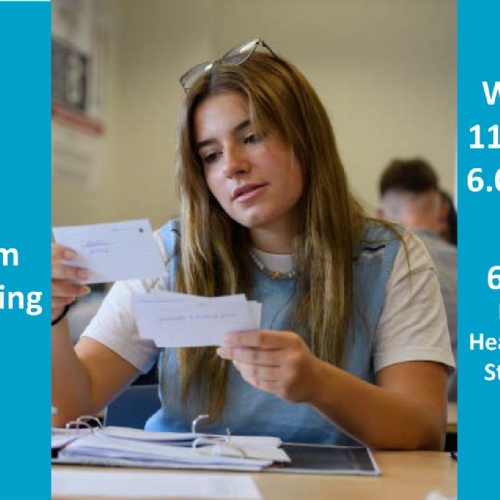
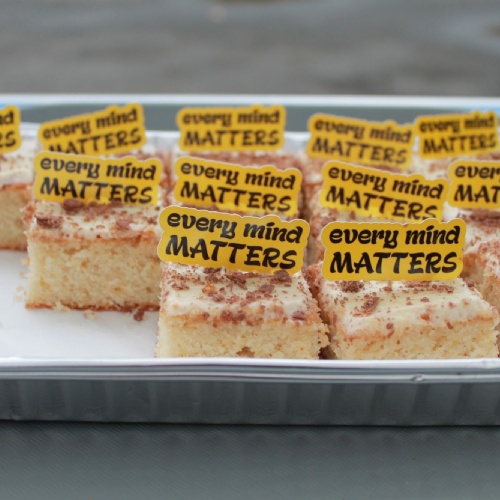
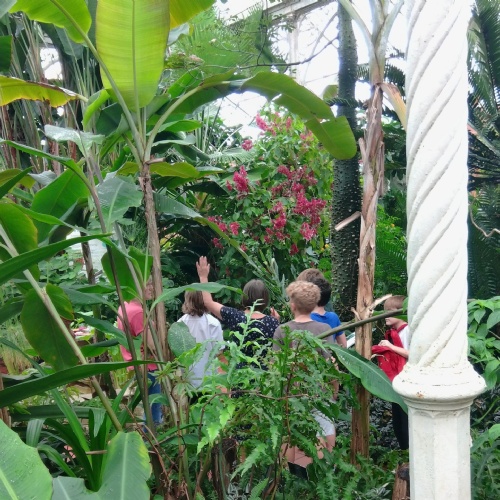





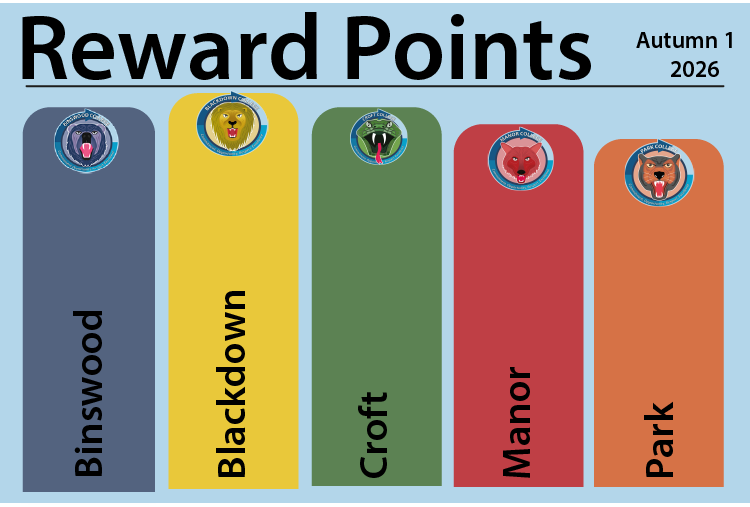
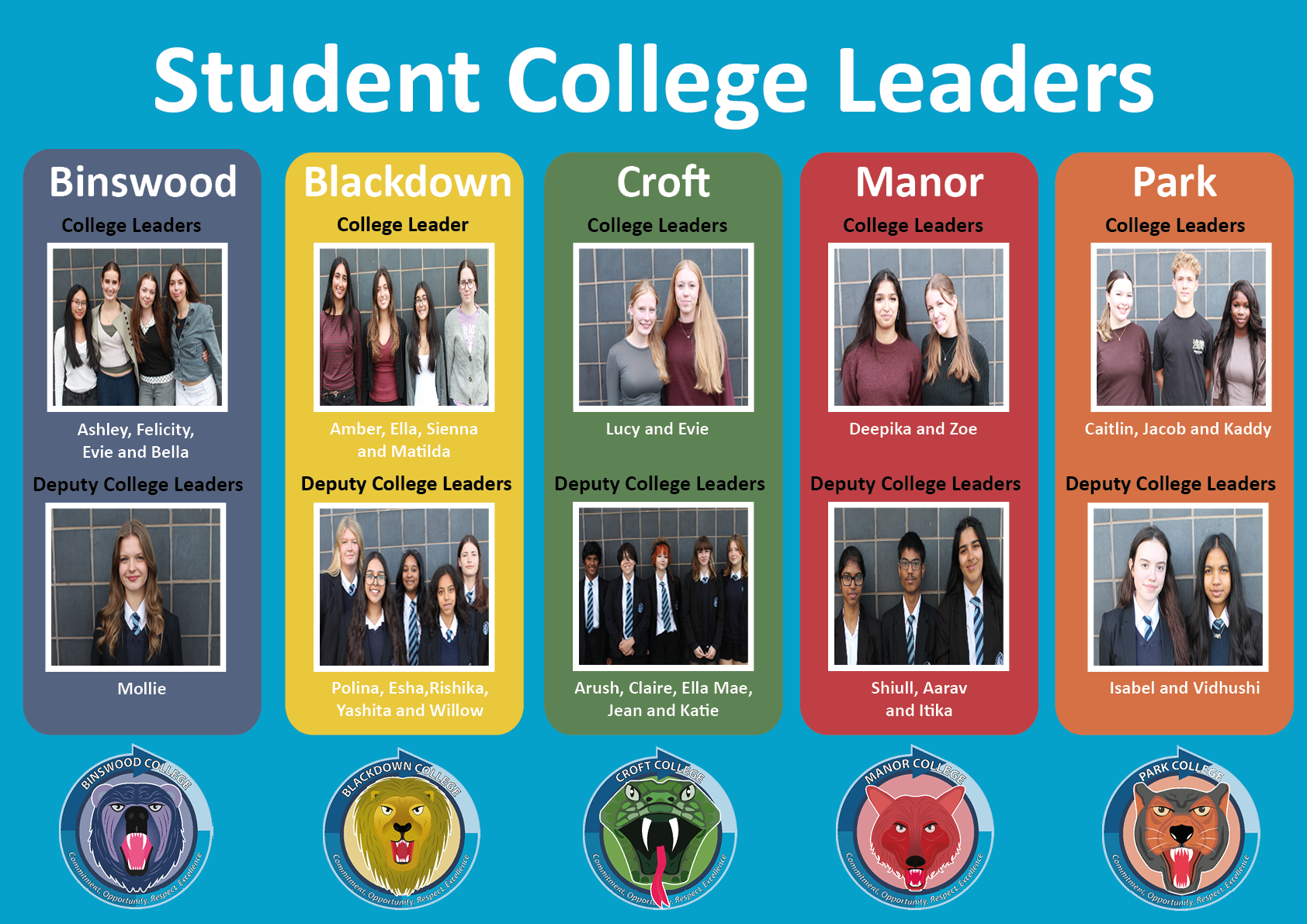
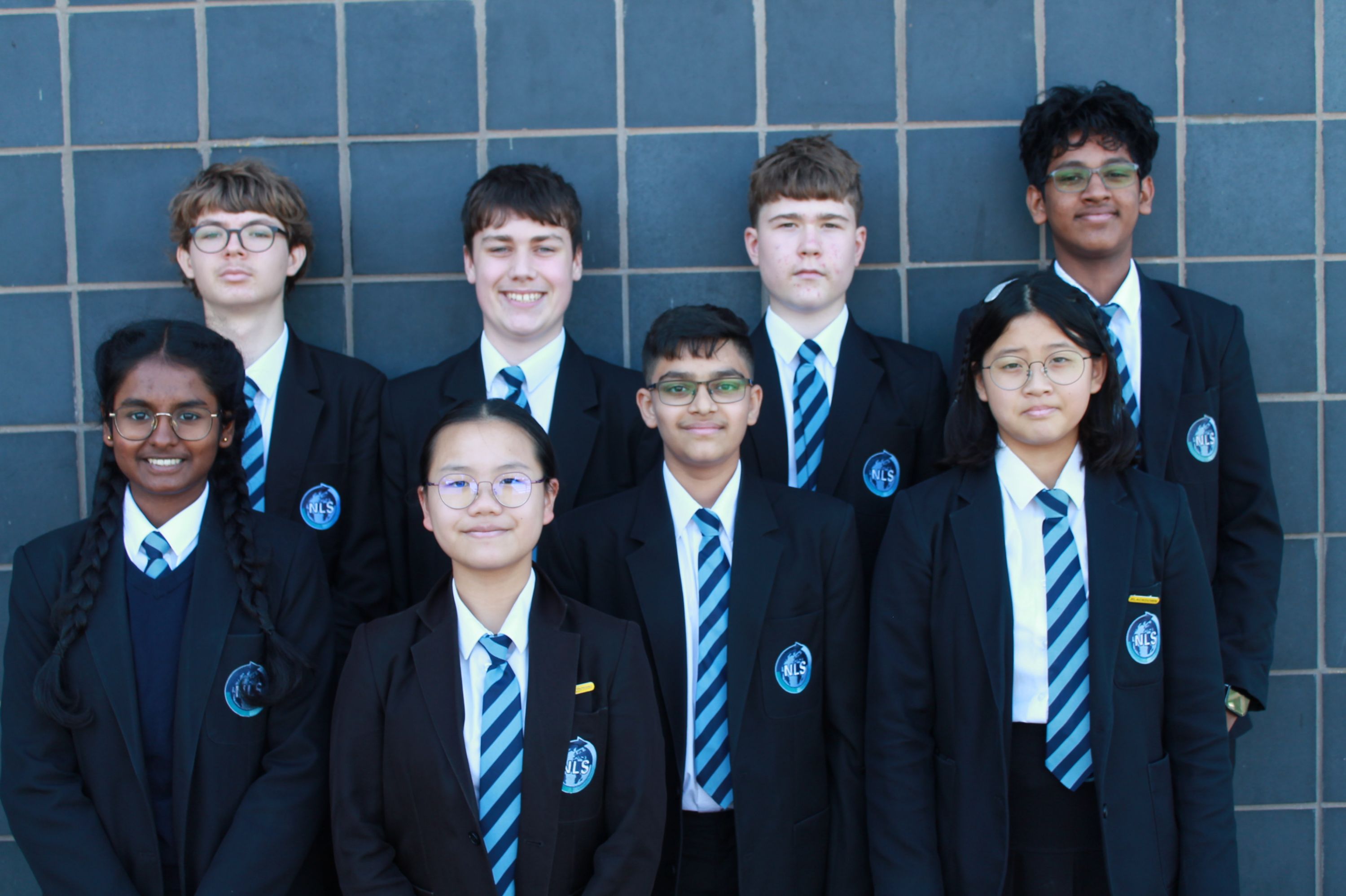
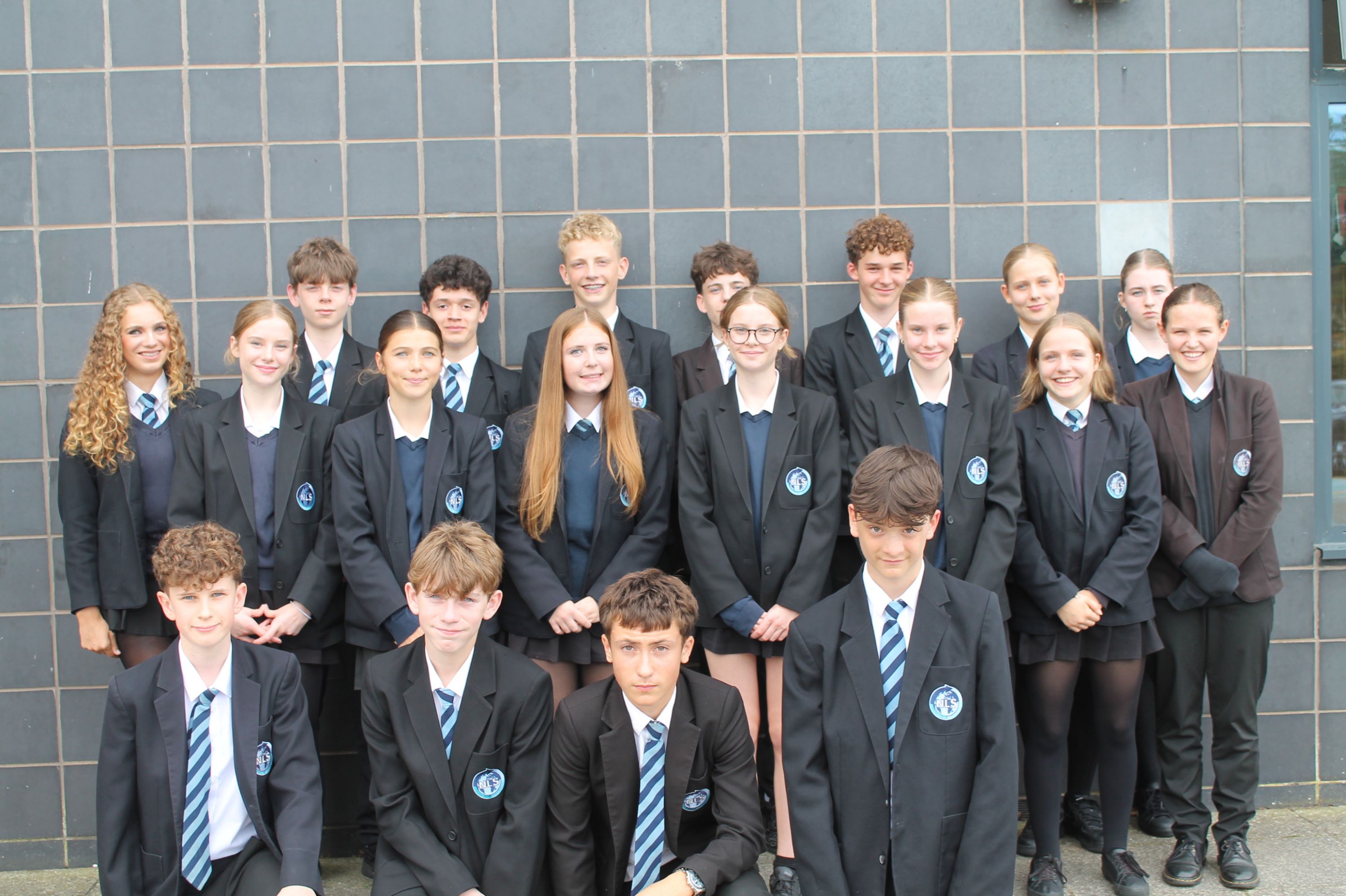
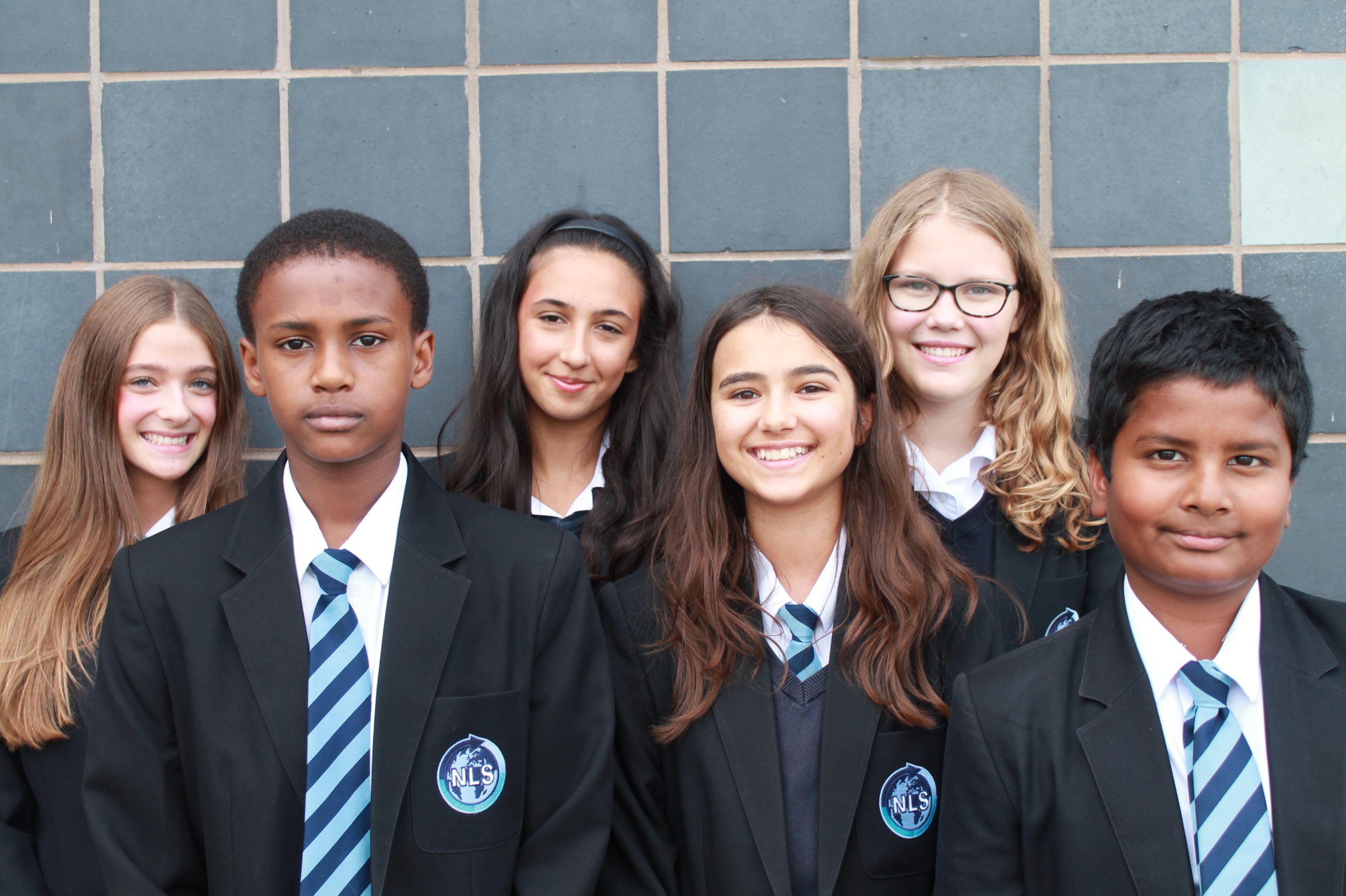
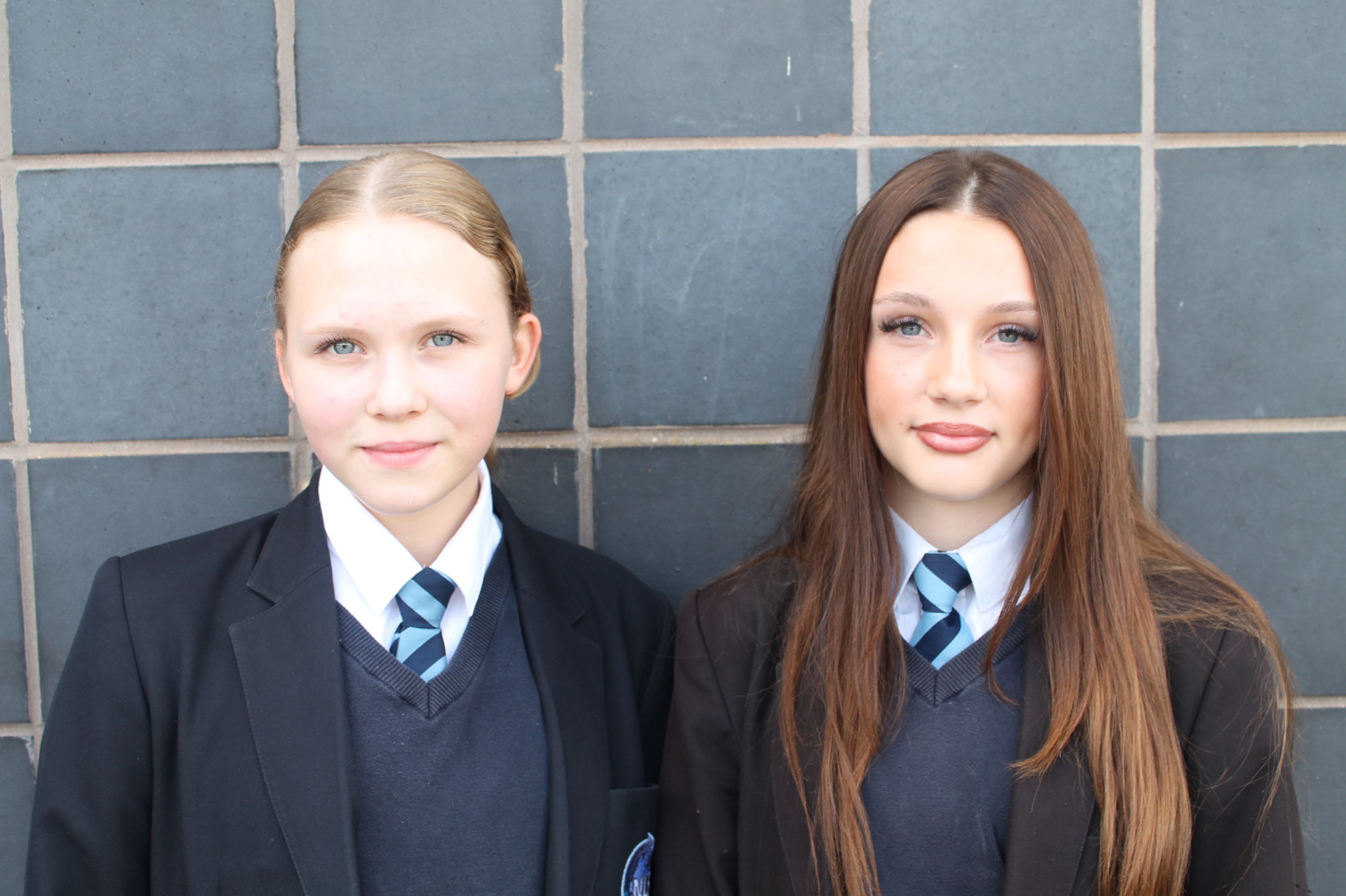
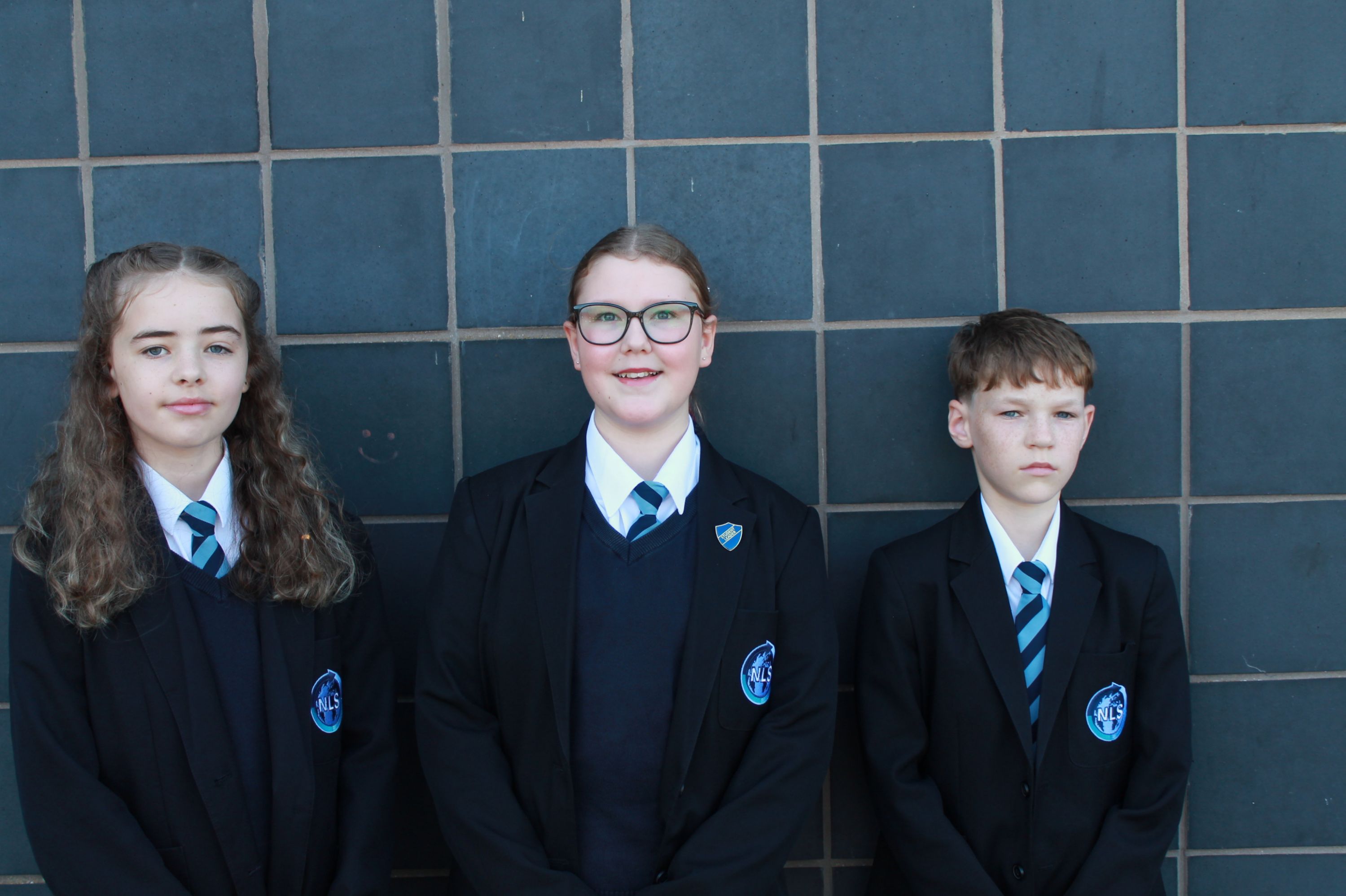
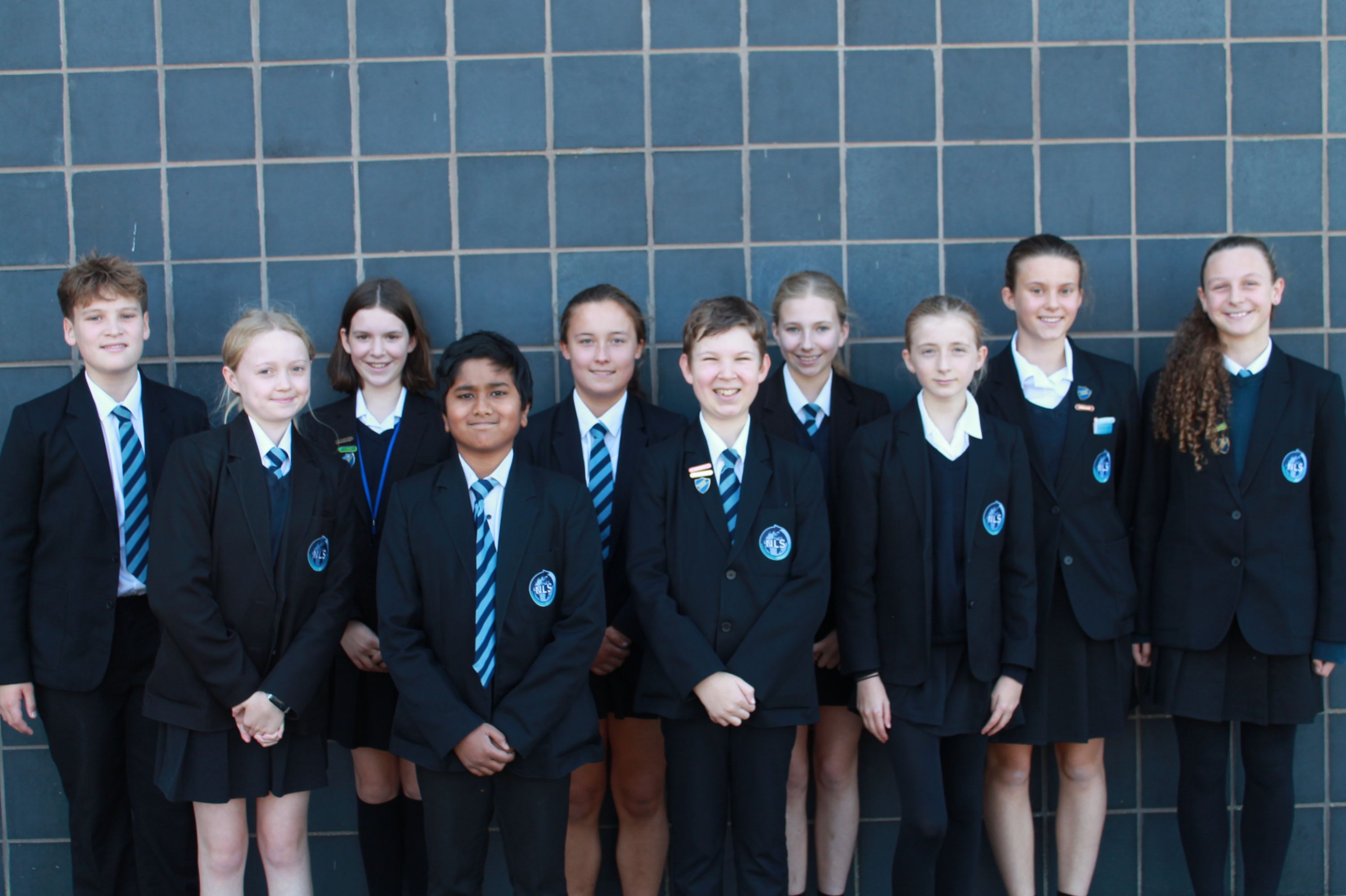




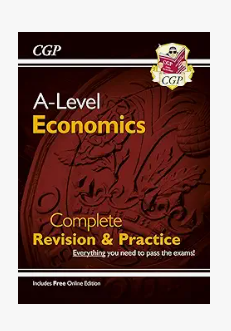

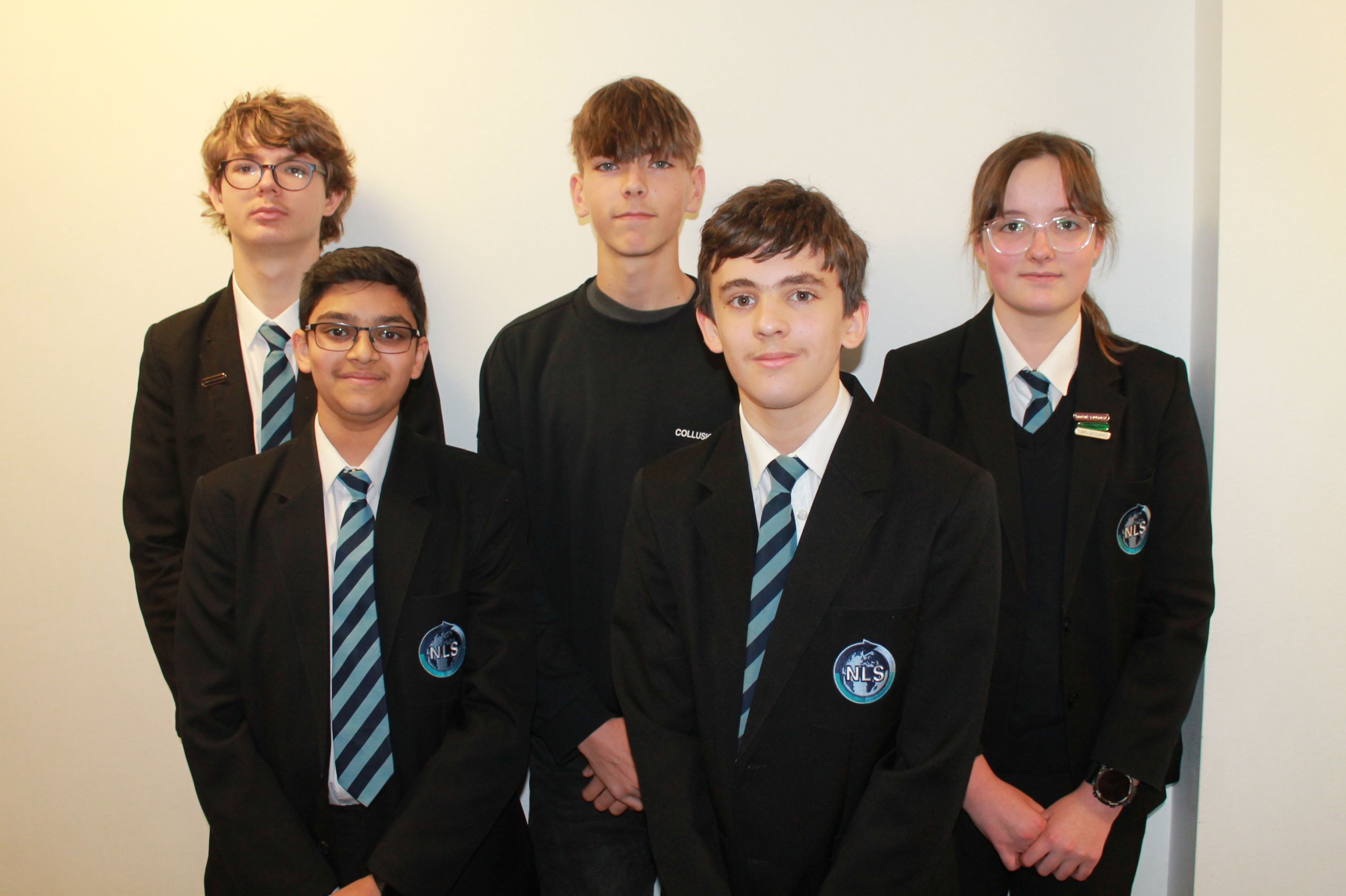
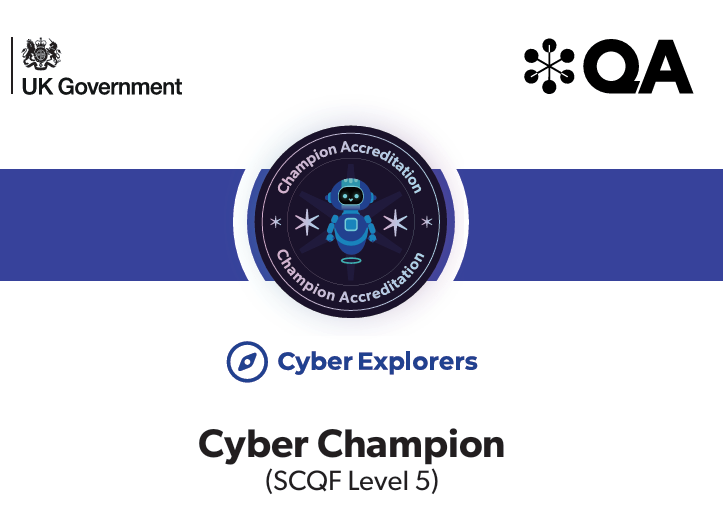
 We encourage all students to at least complete the Bronze award for iDEA. This is something students can access at home as well as in class. Students have their own individual logins for these. These certificates are an invaluable addition to CV’s, references, college, University applications and apprenticeships and are nationally recognised as evidence of IT literacy competency in the workplace.
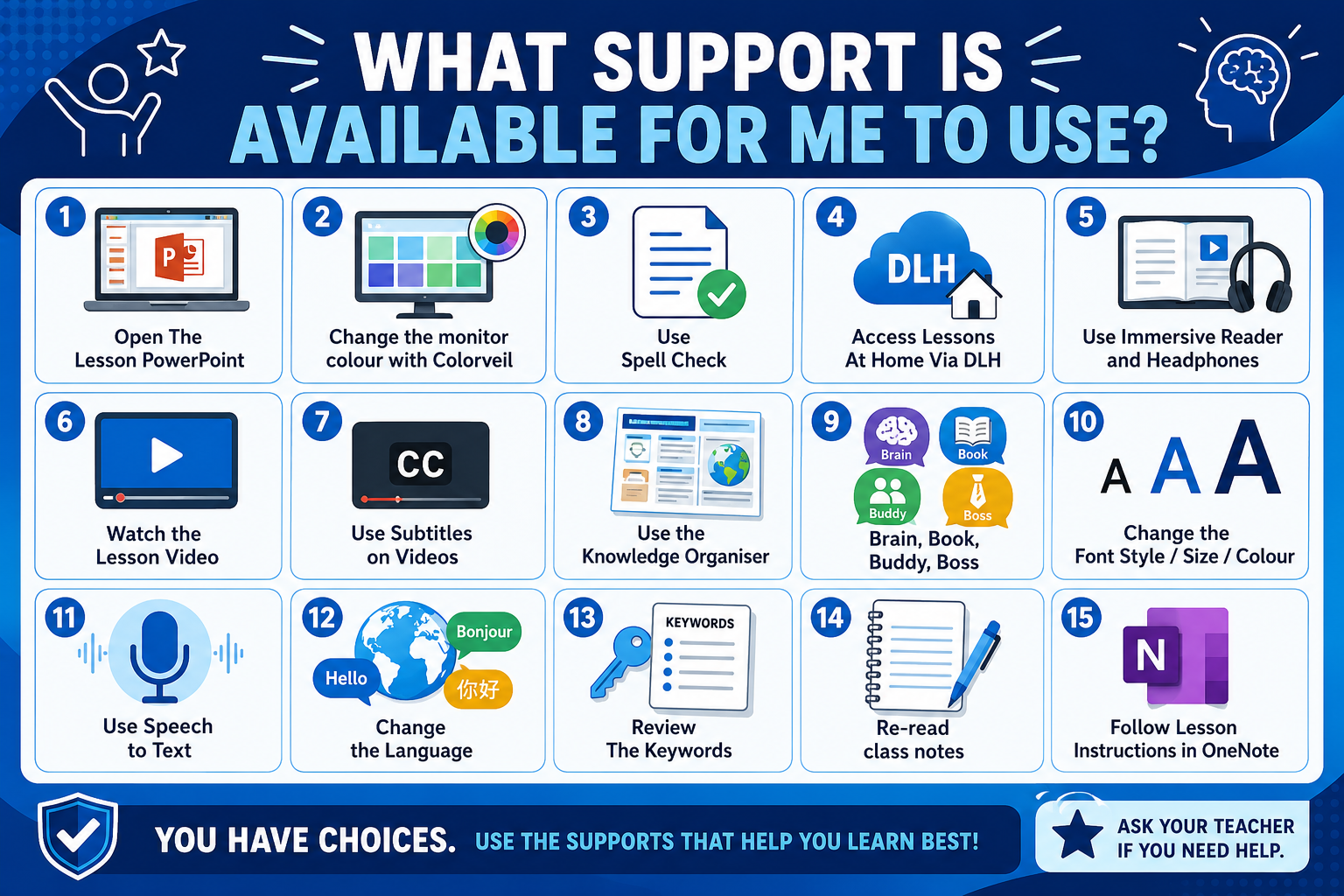



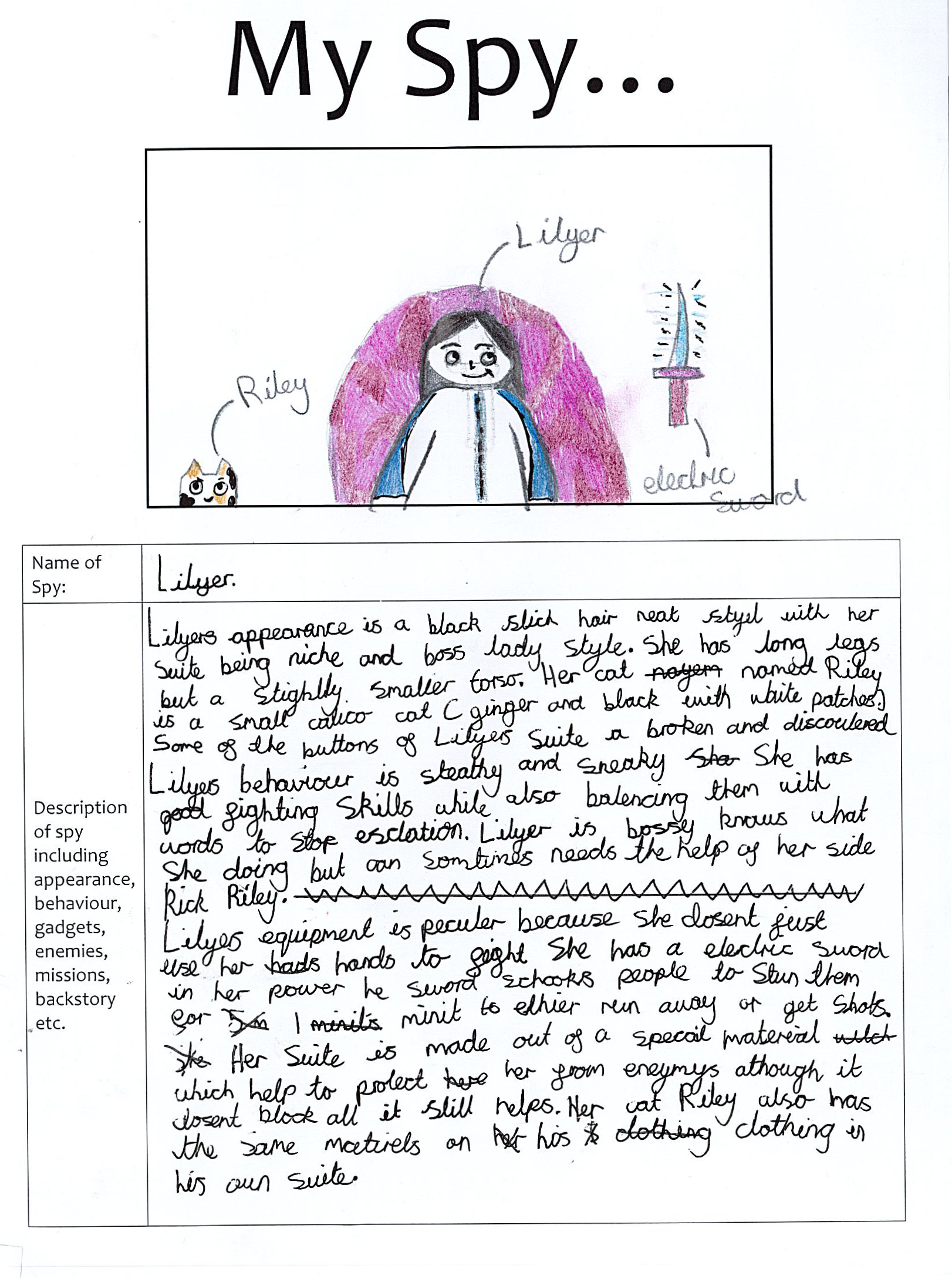
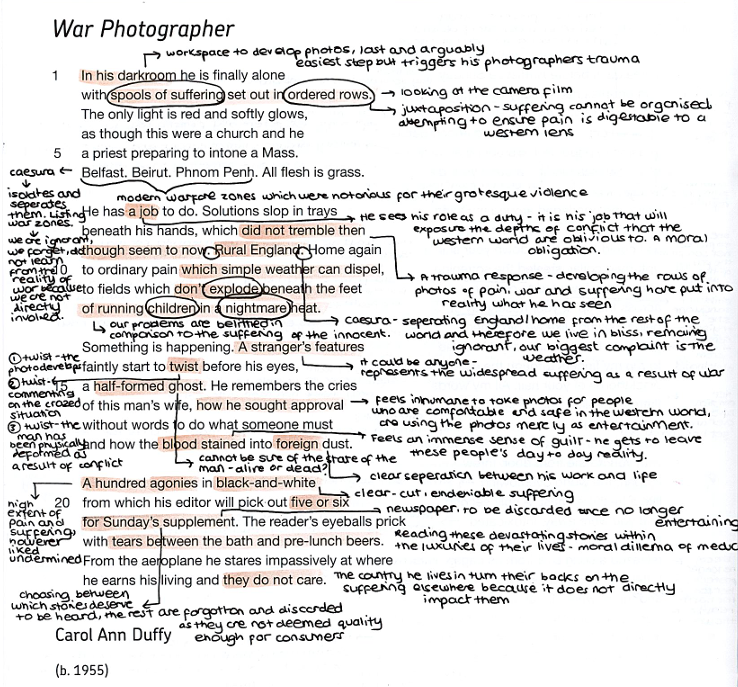
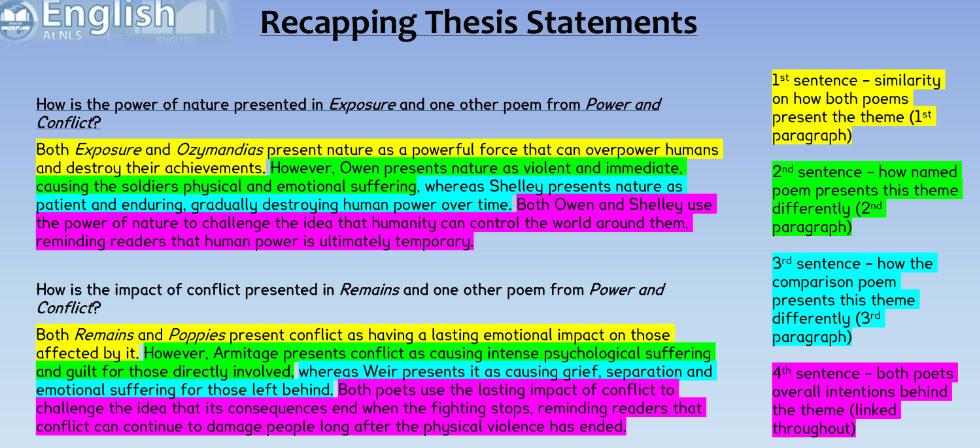
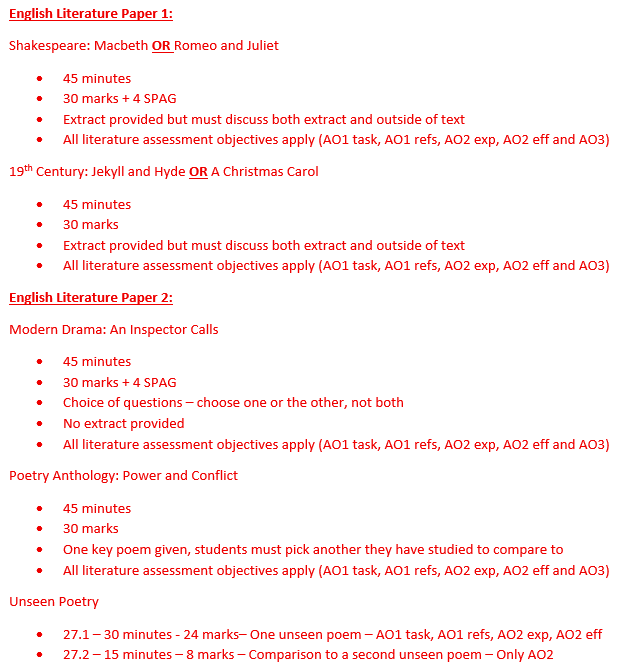


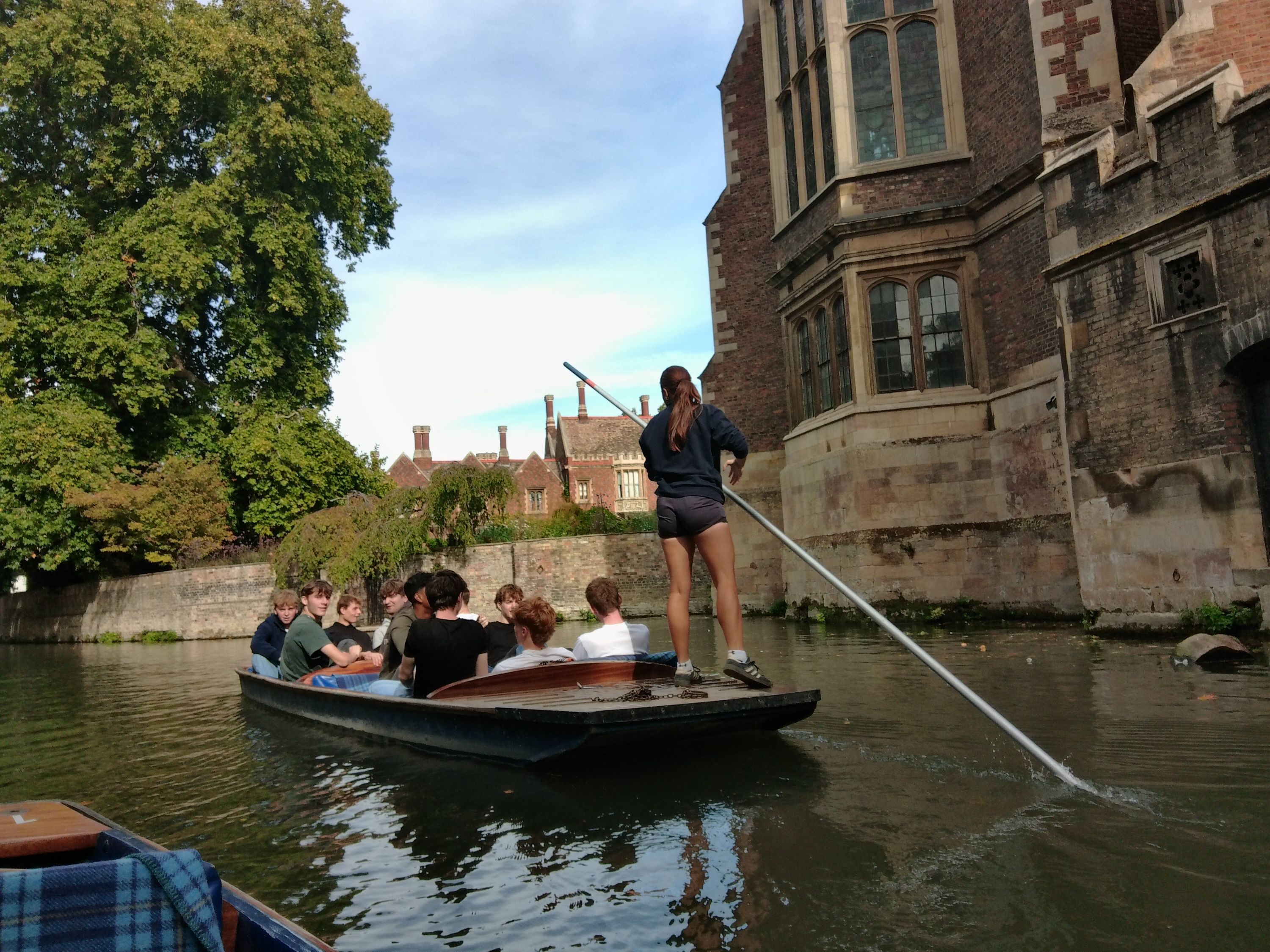




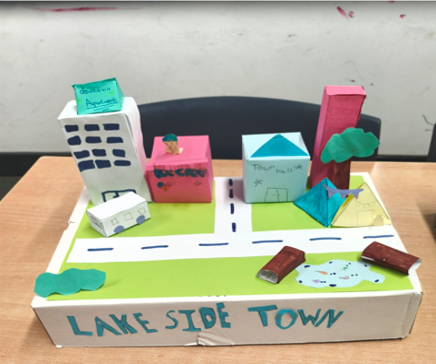
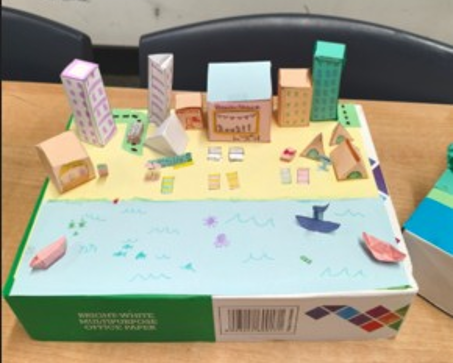
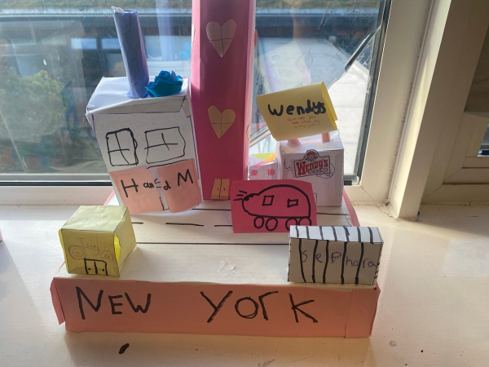
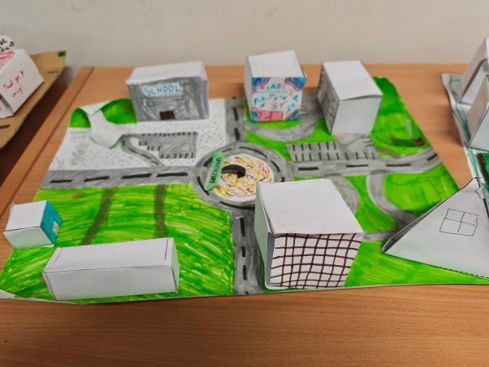

 French
 German


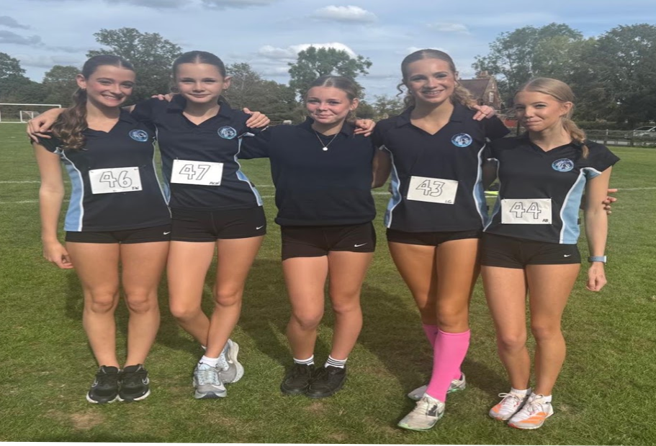
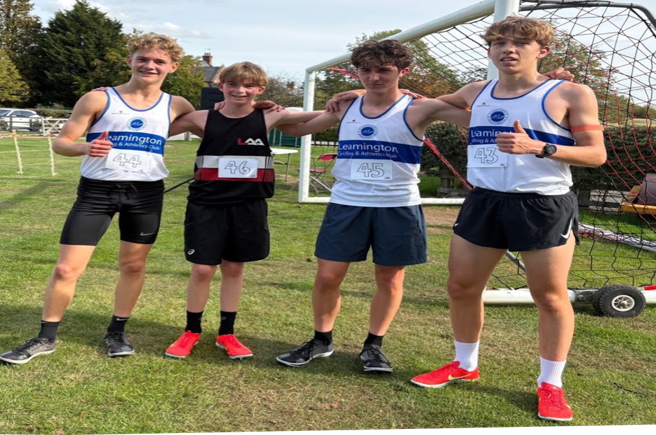


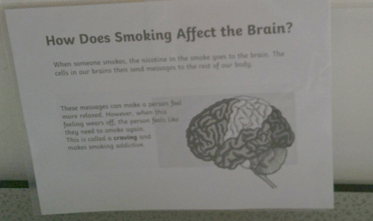
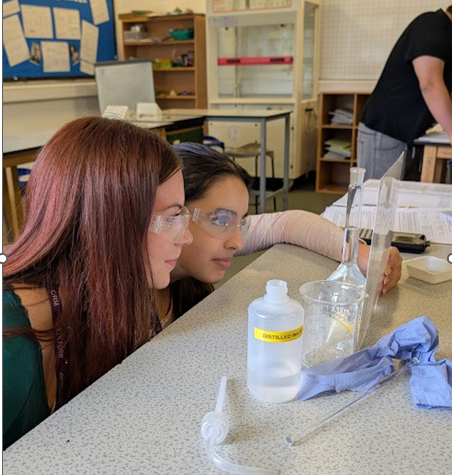



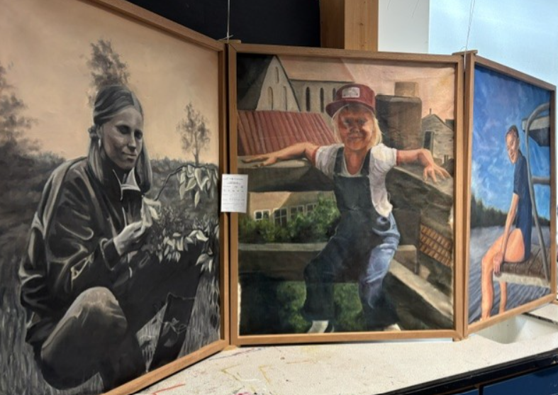
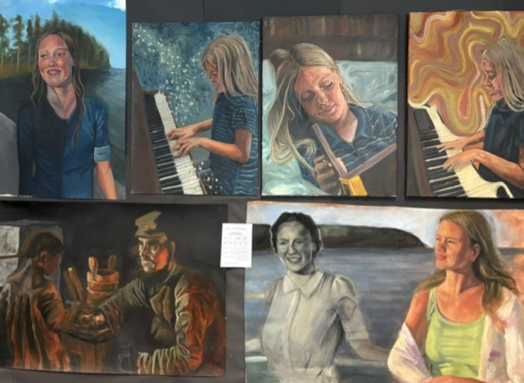
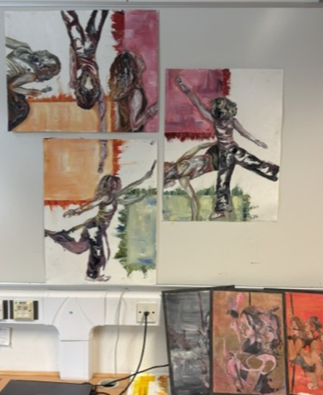
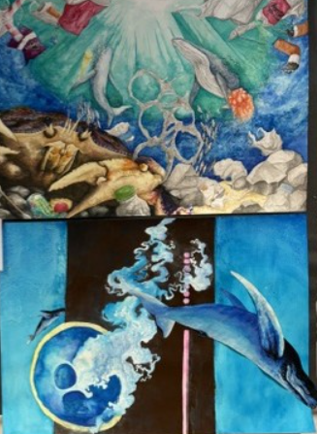
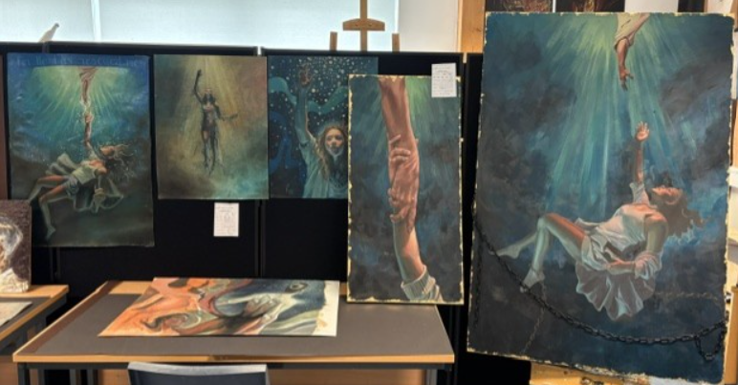
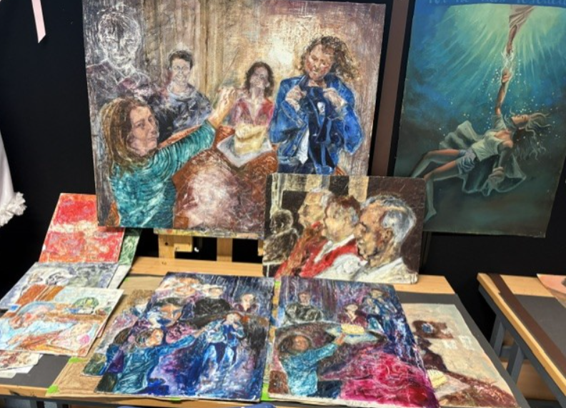
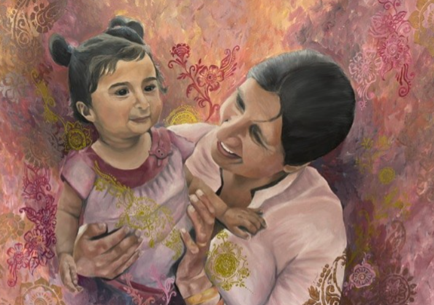
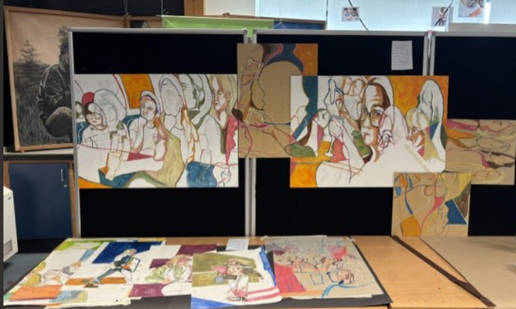
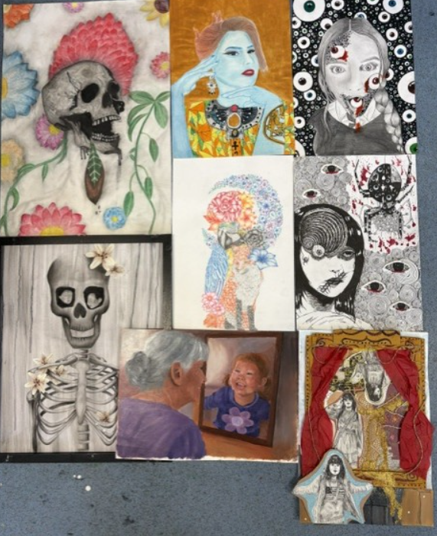
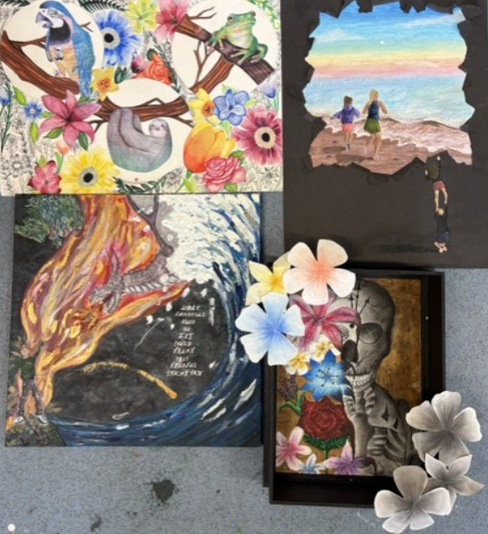
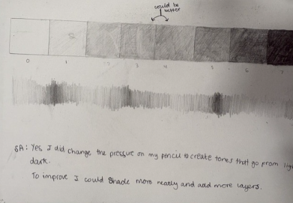
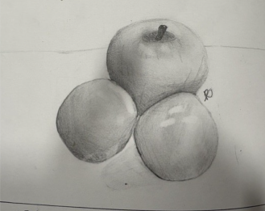
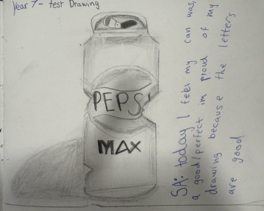
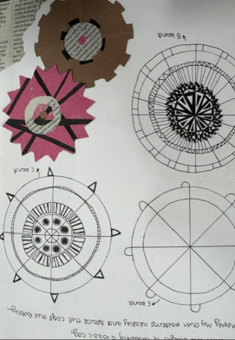
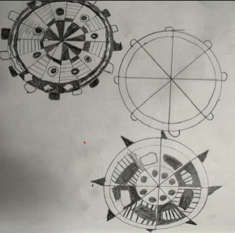
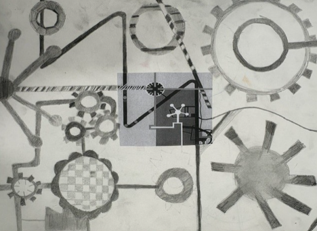
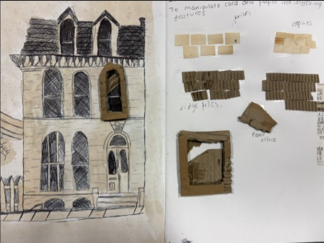
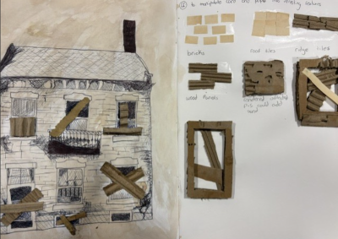
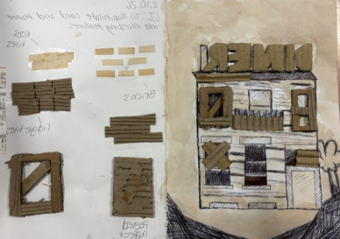
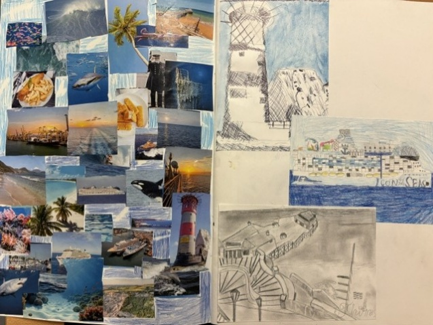
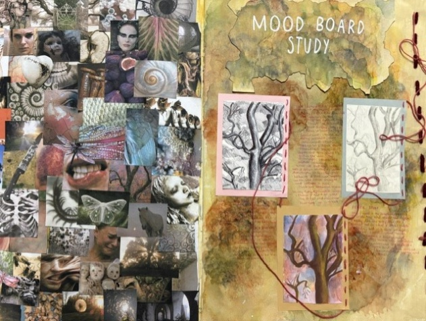
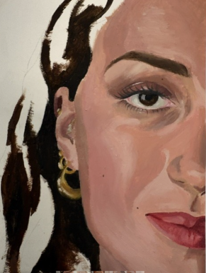
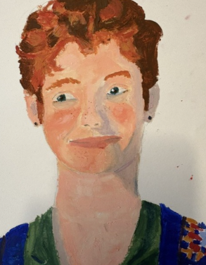
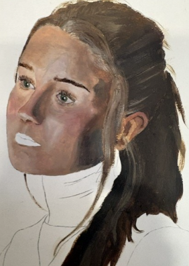
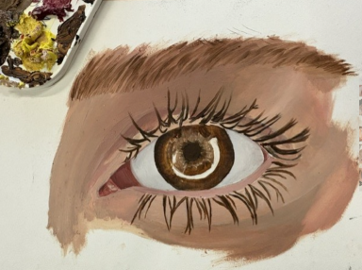

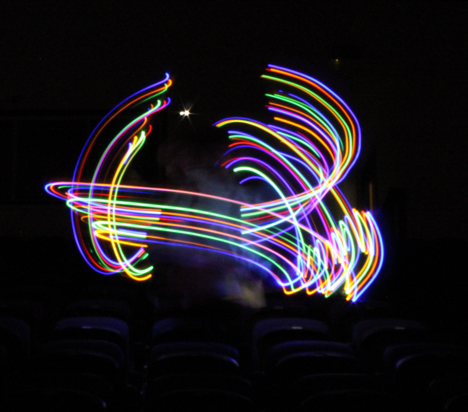
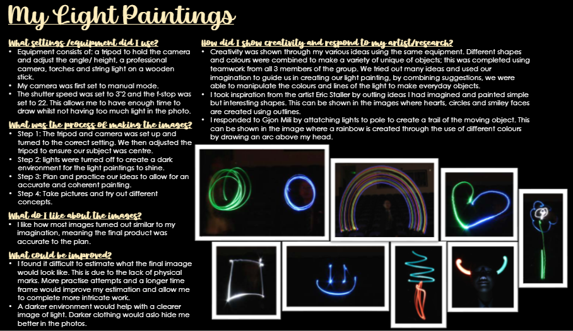
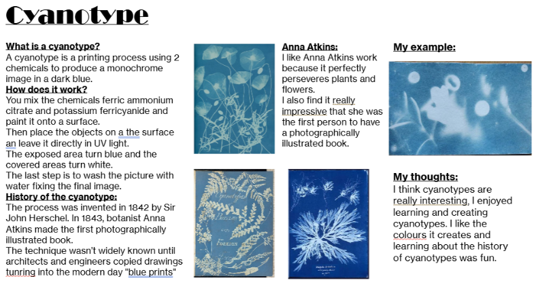

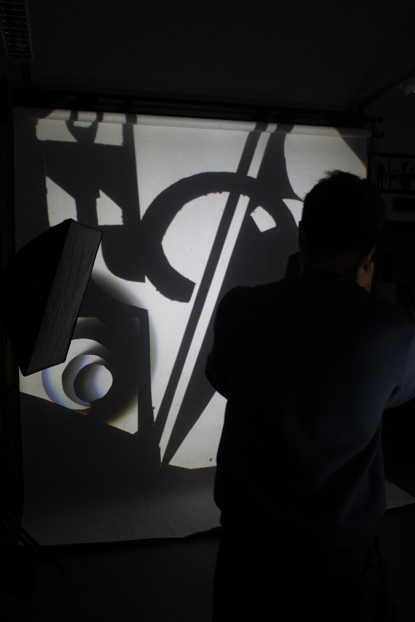
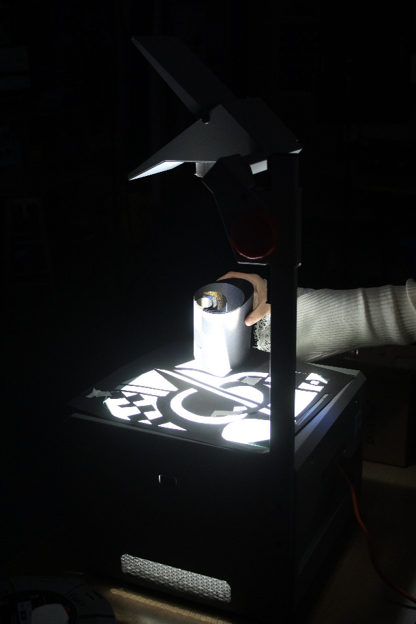
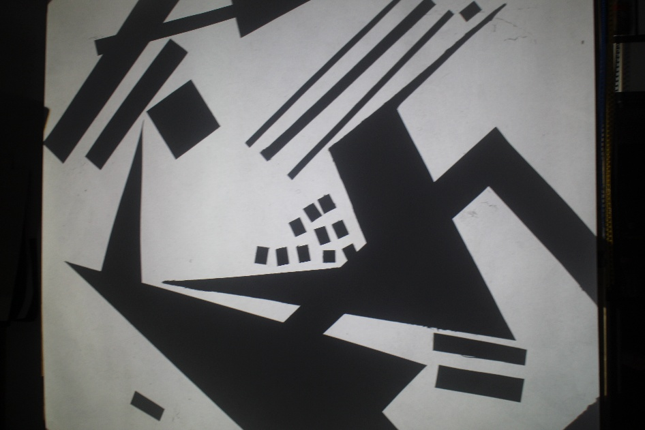
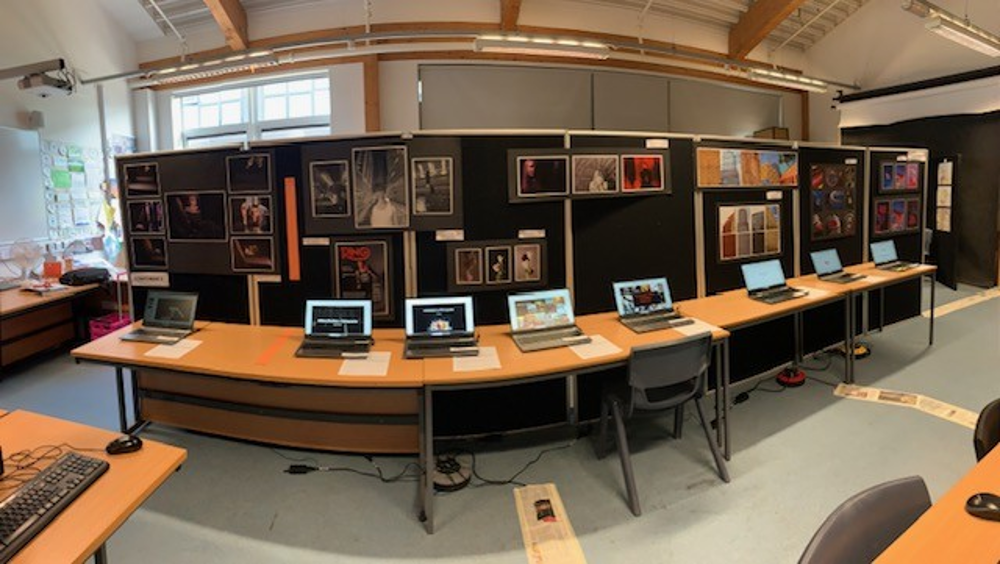
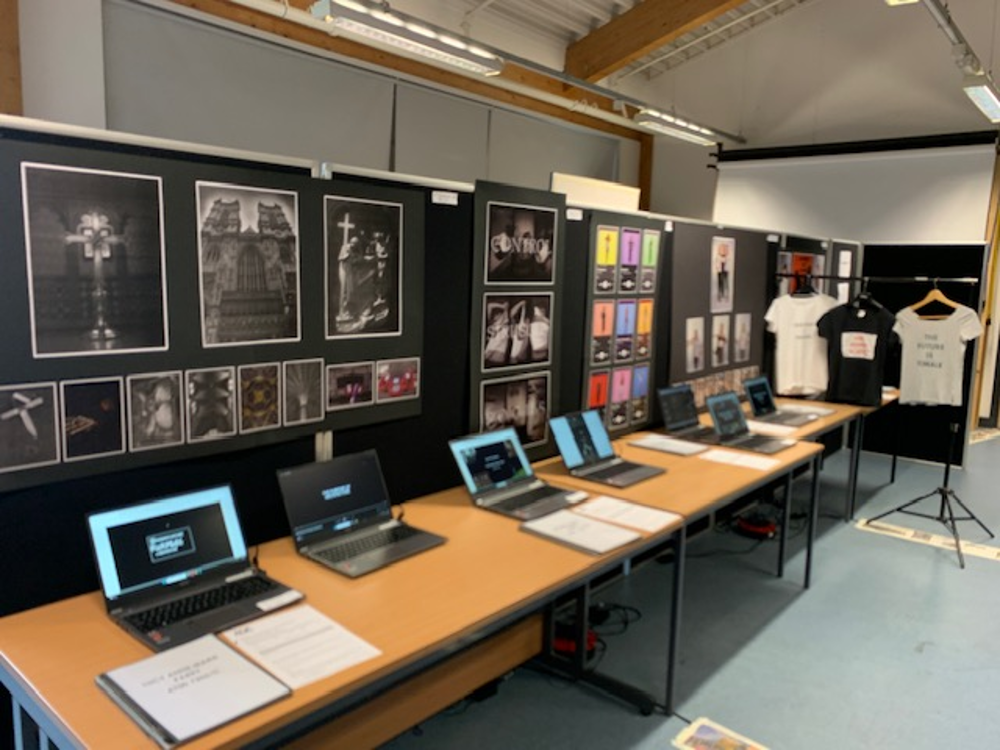

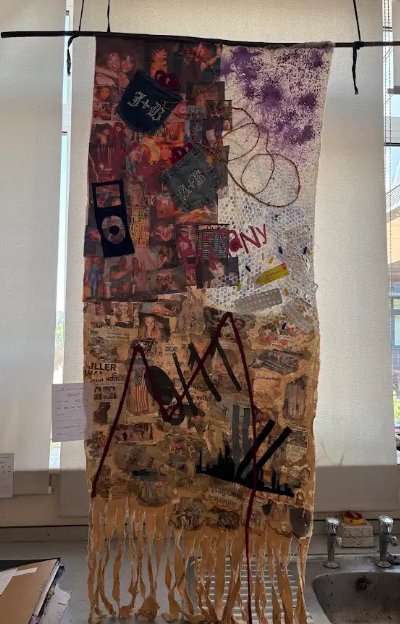
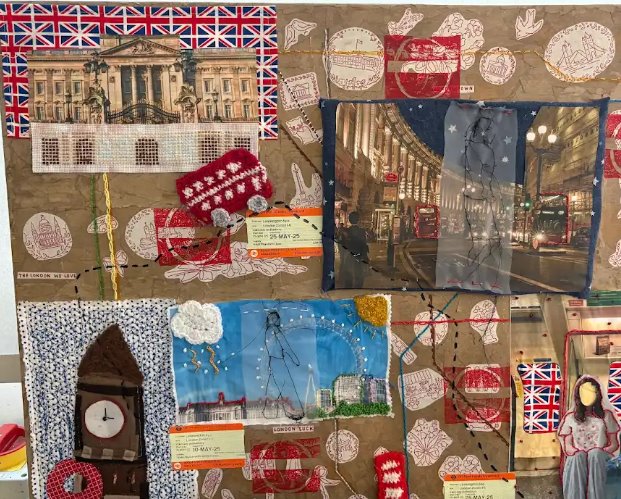
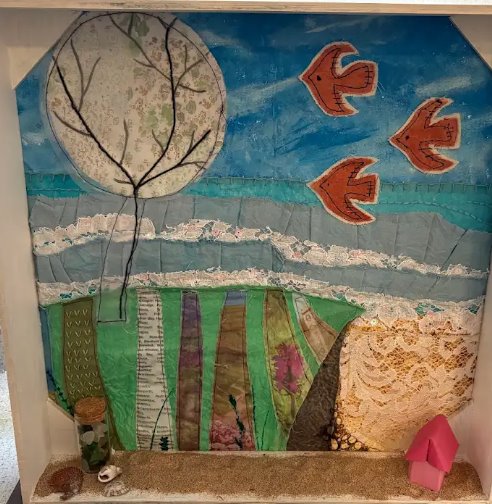
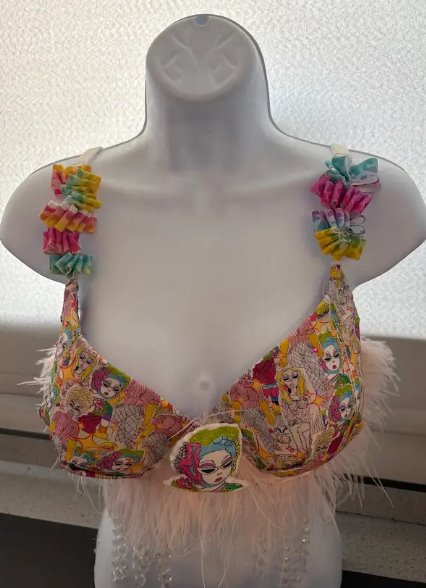
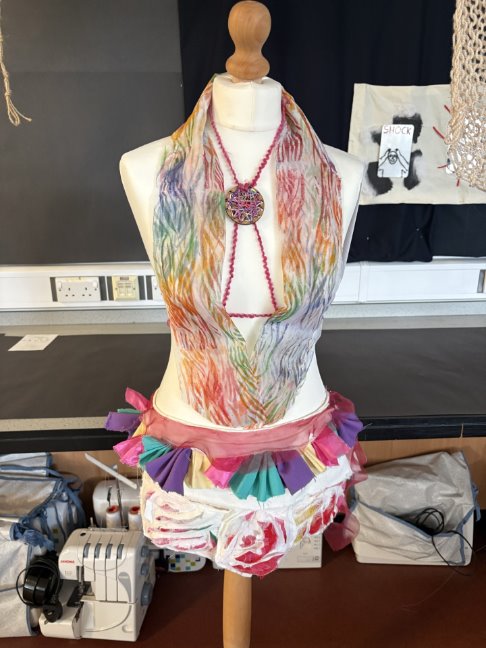
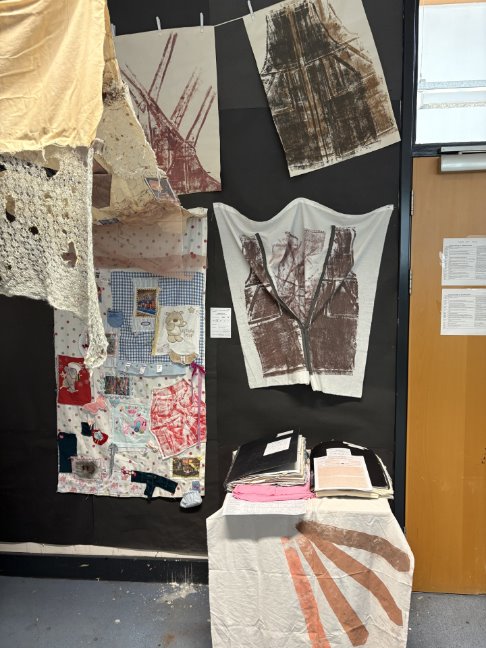
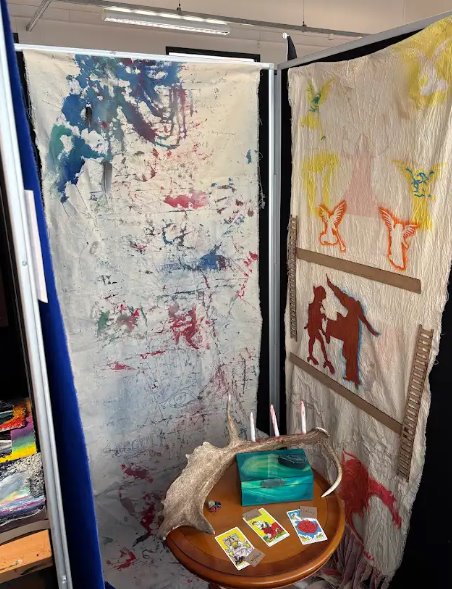
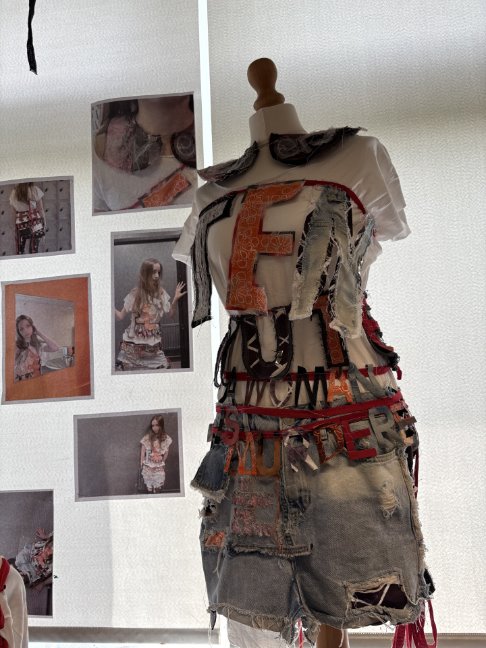
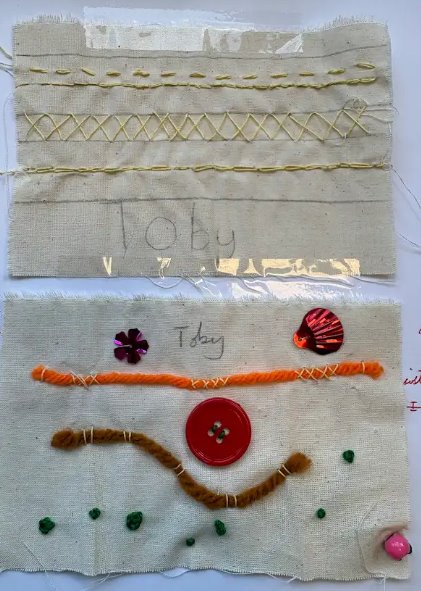
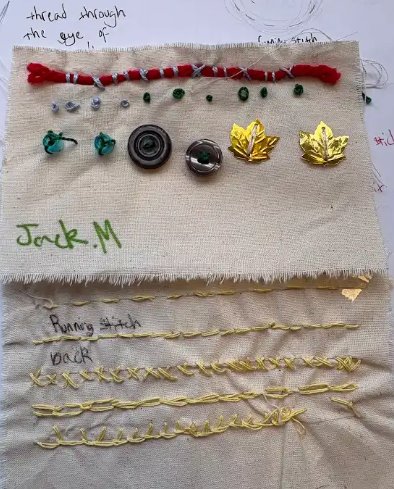
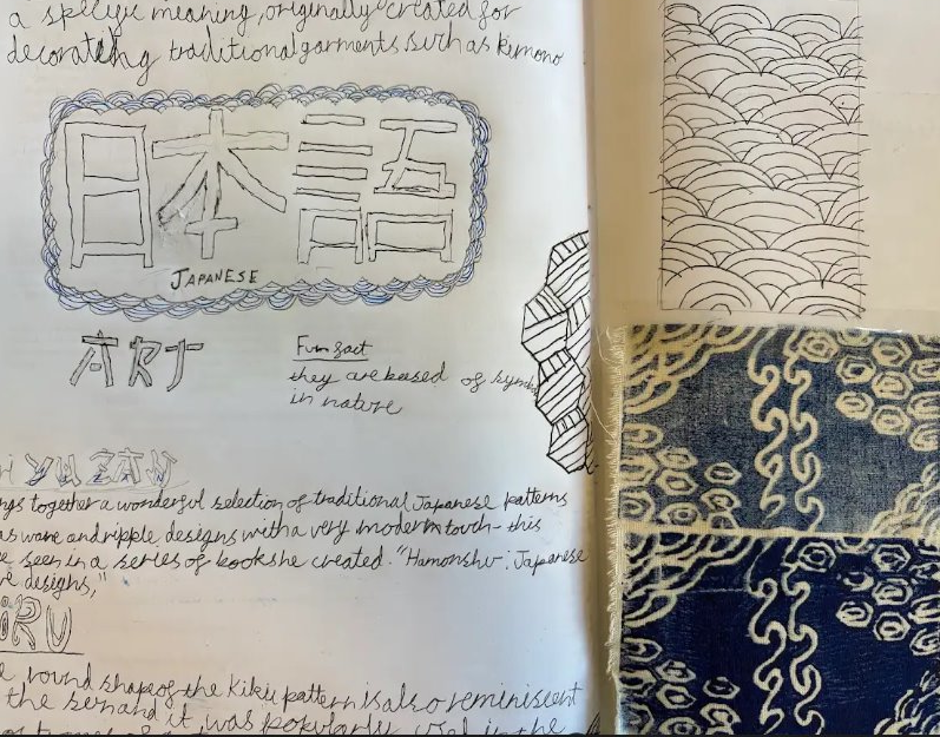
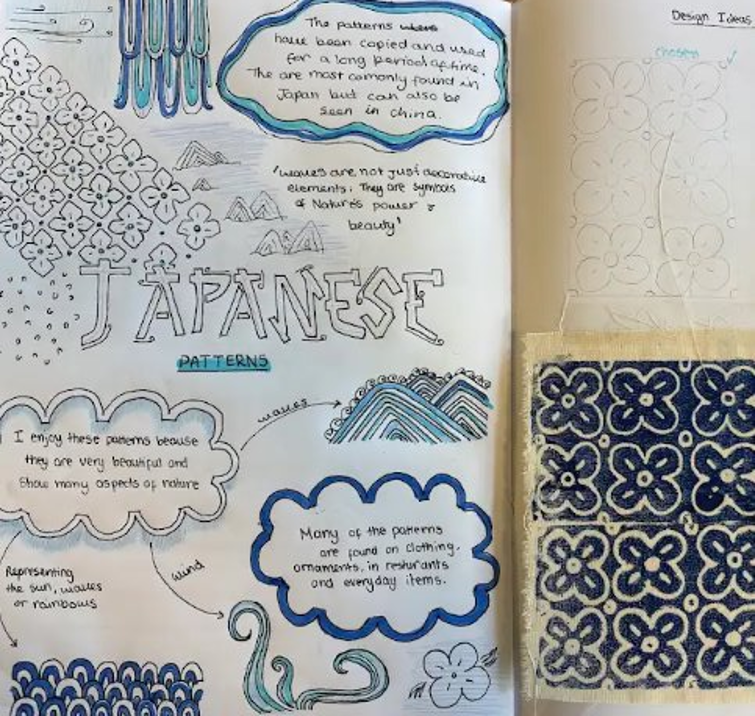
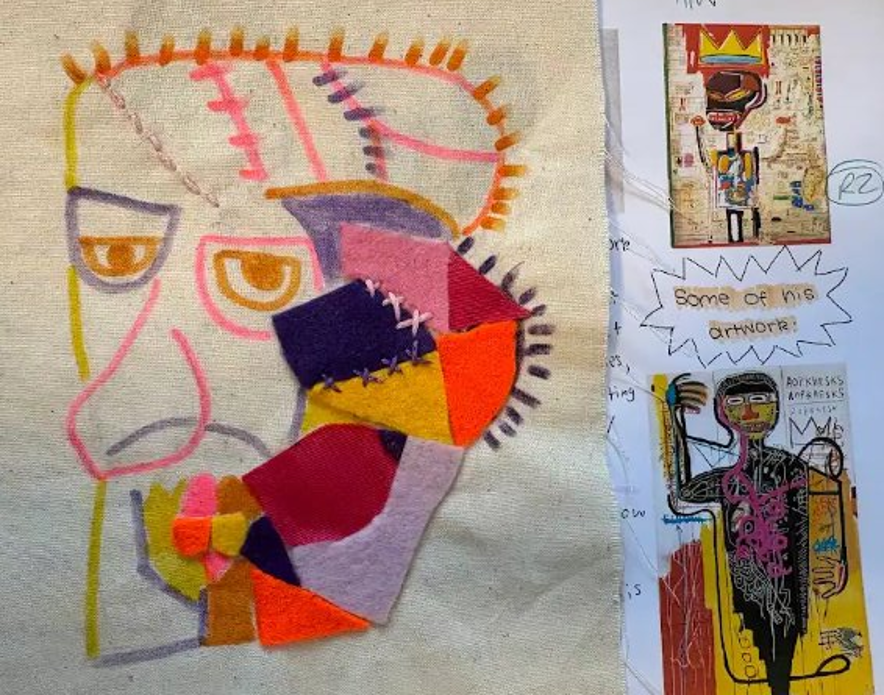 Year 9 have begun their project learning about the work of Jean-Michel Basquiat and Keith Haring and incorporating the theme of New York City.
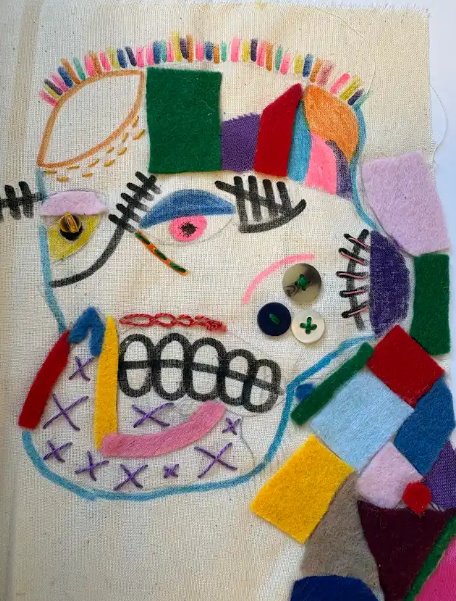
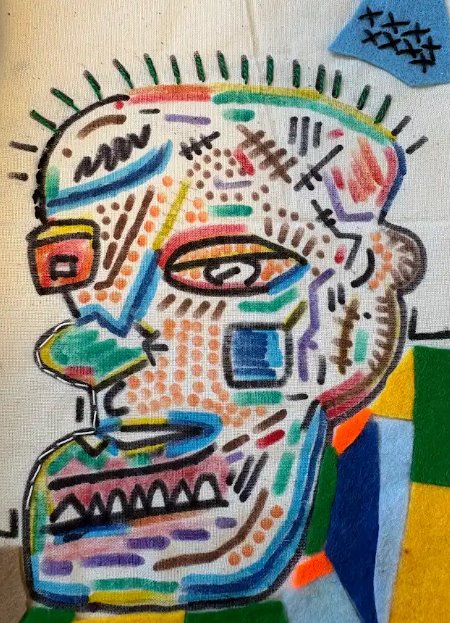
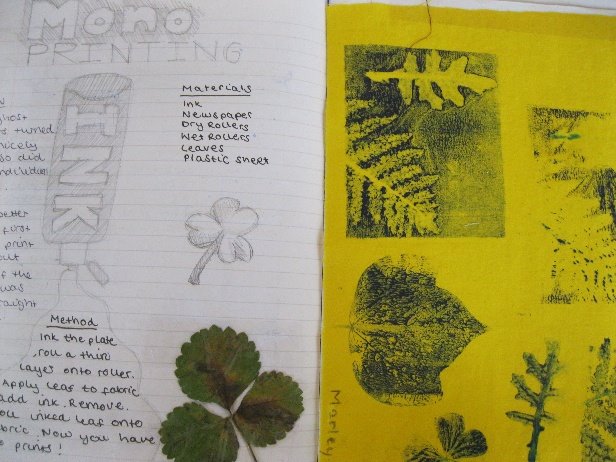
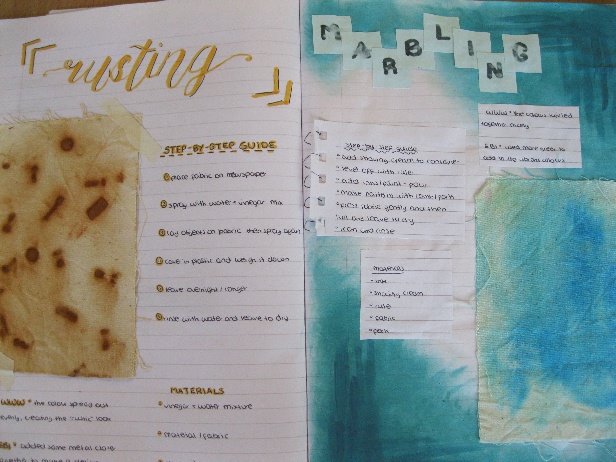
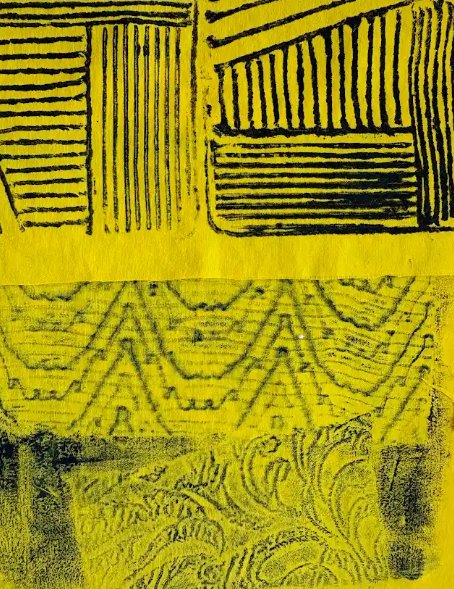 Year 12 completed their initial workshops before moving on to their mini project to help prepare them for the main coursework project.