As we approach the end of the first half of the Spring term, I am pleased to reflect on what has been an incredibly positive and productive start to 2026. The school has felt purposeful, calm and focused and it has been a real pleasure to see our students once again demonstrating their commitment to learning, seizing opportunities, showing respect for one another, and striving for excellence—values that sit firmly at the heart of our community.
A particular well done must go to all students in Years 10, 11, 12 and 13 who have managed their recent mock examination series so maturely and responsibly. Mock periods are demanding, both academically and emotionally, and our students approached them with determination and resilience. The experience will stand them in excellent stead as they prepare for their terminal assessments later this year. Well done to students in Croft College who have accumulated the most reward points for this half term, with Blackdown College a close second.
Our latest school bulletin celebrates the fantastic work taking place across every subject area. It is always inspiring to see the breadth of opportunity and achievement that exists beyond the classroom as well as within it. I strongly encourage you to take the time to read through it as it provides a wonderful snapshot of school life and your child’s learning journey.
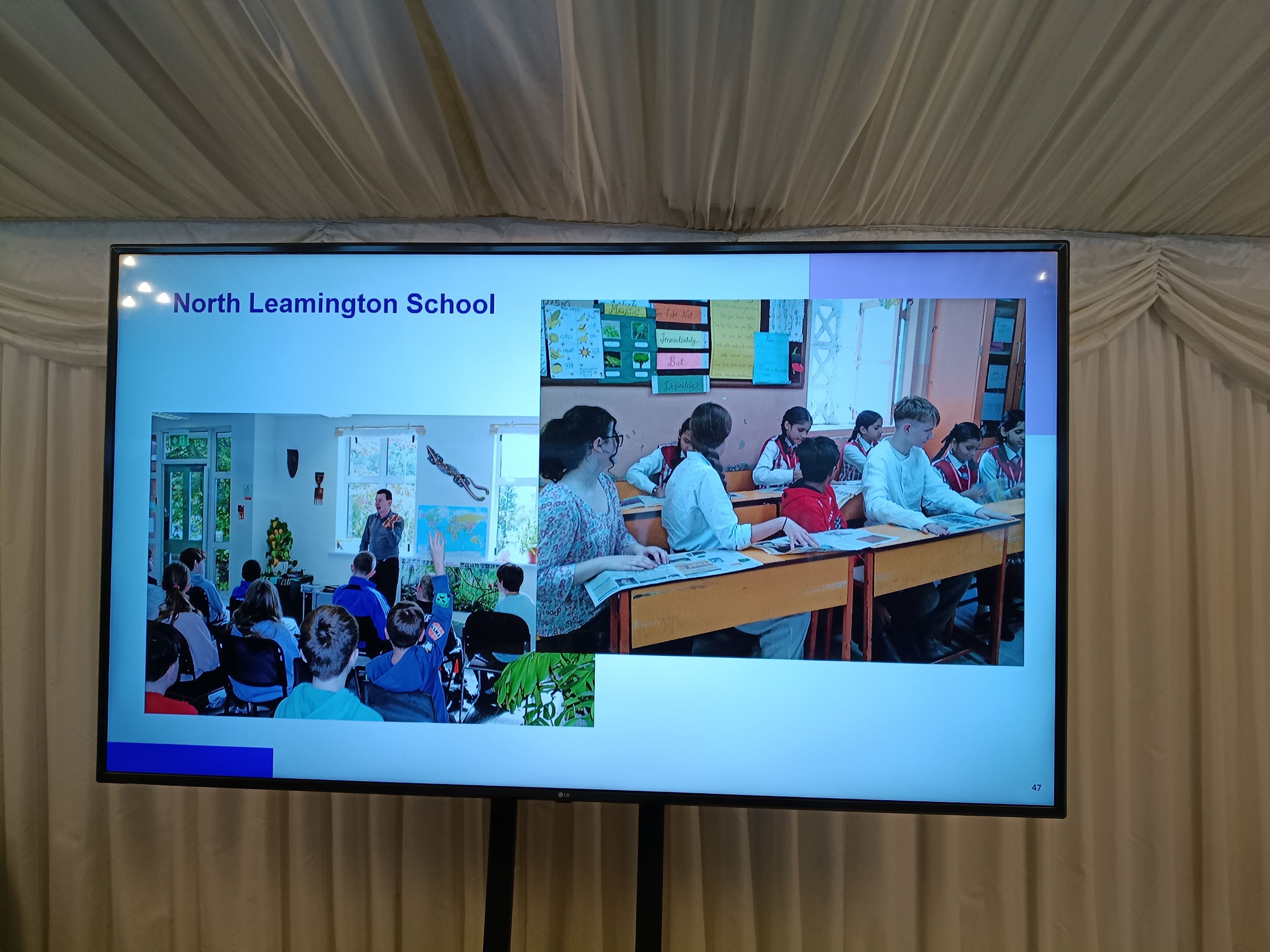
There have been many highlights this half term. We recently hosted an inspiring careers event, welcoming a range of regional and national providers into school. The conversations and workshops helped to ignite aspirations and gave students valuable insight into future pathways, equipping them to make informed decisions about their next steps. We are also proud of the students who supported our reaccreditation of International Schools’ status, demonstrating the global outlook and cultural curiosity that we value so highly. Creativity continues to flourish too. Congratulations to Leo, Tommaso and Jack, who were worthy winners of our Winter Haiku Creative Writing Challenge—an impressive display of imagination and craftsmanship with language. Sporting success remains a real strength of the school. Our teams continue to lead the way locally and it has been fantastic to see such enthusiasm and teamwork on display. A special mention goes to our Year 9 Netball teams for their excellent performances and to Freddie, Amelia, Lola, Daisy, Archie, Dylan and Jacob who competed superbly at the County Cross Country Championships and have now been selected to represent Warwickshire at the upcoming national competitions in March—an outstanding achievement of which we are extremely proud.
Thank you as always, for your continued support. The partnership, which I mention often, between home and school makes an enormous difference to the success of our young people.
I hope you and your families enjoy a well-earned break over half term and we look forward to welcoming students back refreshed and ready for another busy and exciting half of the term.
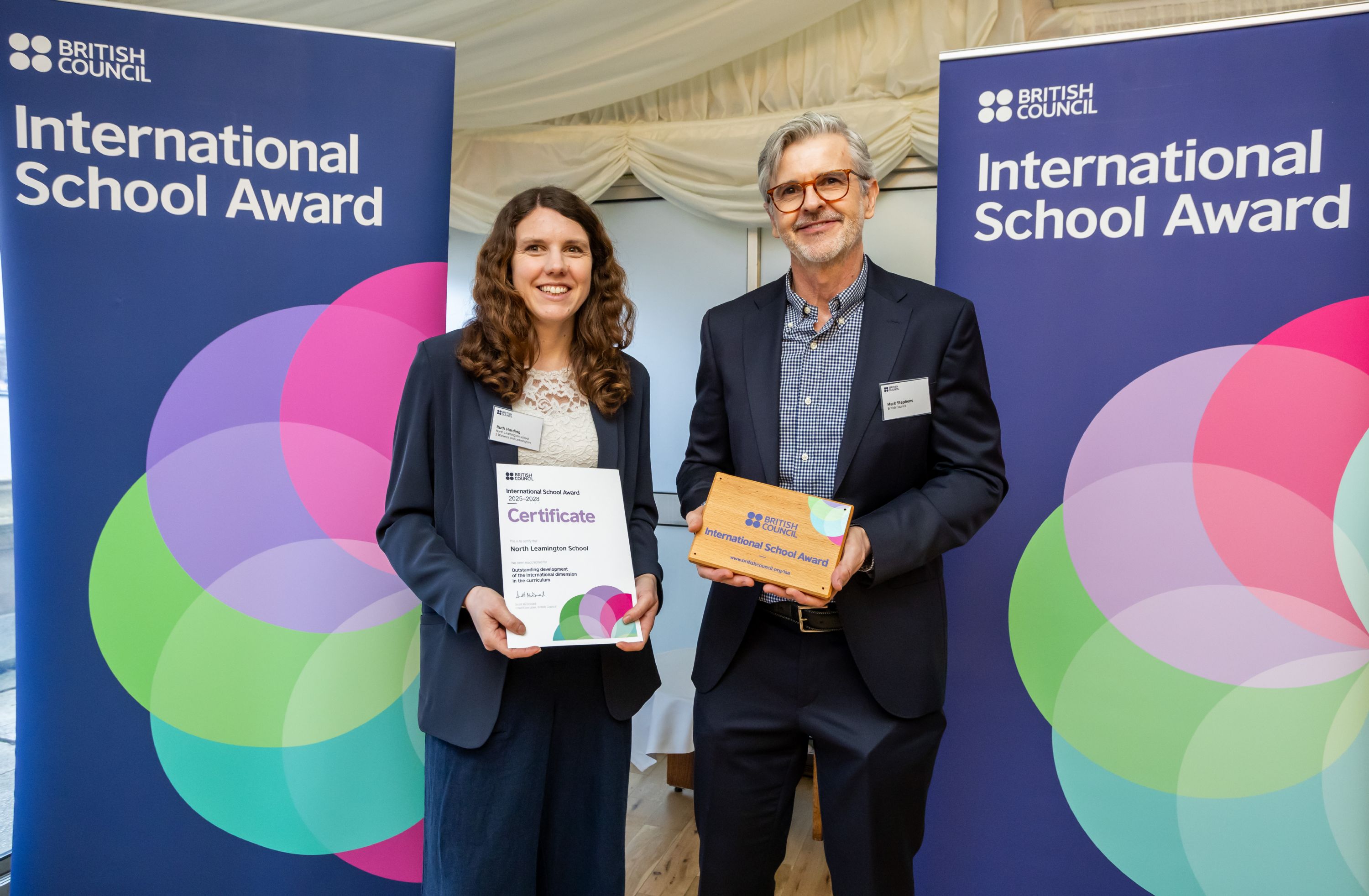
On Monday 2 February, Ruth Harding, International Schools Coordinator had the privilege of going to the Houses of Parliament to receive the International Schools Award on behalf of NLS. We have achieved the highest level that the British Council awards.
The many MPs at the event w...
On 20 January, some of our Year 9 students were given an exciting opportunity to take part in a pilot Cyber STEM Day delivered by the Smallpeice Trust. This inspiring event introduced students to the fast-growing world of cybersecurity, digital technology, and engineering through a series of en...
Year 10 and 11 students enjoyed the opportunity to meet with 30 employers and external education providers who supported our annual Careers Fair on January 15.
In small groups, students were able to ask a range of questions to our guests to learn about the opportunities that are available and gai...
As we reach the end of the Spring 1 half term, I would like to take the opportunity to say how pleased we are with the way Year 7 students have continued to uphold the high standards they set for themselves during the Autumn term. They are now very much an established and valued part of our sc...
It has been a great pleasure to welcome all of Year 8 into their first half term of 2026. You will not be surprised to read that yet again it has been a very busy half term for Year 8.
It was fantastic to see so very many of you at our Year 8 Subject Evening in January, both those parents and car...
We have had a really productive start to the spring term. Year 9 continue to show themselves to be a standout year group who wear their uniform with pride as they continue to grow in maturity on their journey towards their GCSEs. I’m so very proud of the progress they are making not only in st...
As we reach the halfway point of the Spring Term, I am delighted to share the excellent progress and positive attitude shown by our Year 10 students since returning from the Christmas break. They have approached the term with renewed focus, enthusiasm, and determination, and it has been a pleasure t...
As we move through the penultimate term and into the final stages of the academic year, I would like to take this opportunity to reflect on the excellent progress our Year 11 students have made during the first half of the spring term.
It has been a demanding half term, particularly with the comp...
I hope you are well and, despite any paraskevidekatriaphobia (maybe google it?) some may have, you find the contents of this letter happy, positive and reflective of the many terrific things which abound in the NLS Sixth Form!
Tier 1-3 Launch – Year 12
We are really proud of how students...
Well done to Croft who have accumulated the most Reward Points for this half term, with Blackdown a close second.
Reward points start afresh again after half term - lets see who tops the board for the next half term.
Year 7 Transition Leaders & Eco Leaders Opportunities.
Year 7 students have the opportunity to apply to be Transition Leaders. Transition Leaders play a key role in supporting our transition events for Year 6 students who will be joining NLS in September 2026. This is a wonderful opportunity for Year 7 students to support younger students and, for some, to re-engage with their previous primary school. Your child may remember how valuable the support from Transition Leaders was when they themselves joined NLS and may be keen to take on this responsibility. Students can apply via the link set as a Homework task on Go4Schools, with the deadline being Friday 27 February 2026.
In addition, as part of our International School status, we are seeking Year 7 students who are interested in Eco Leader roles which will involve leading initiatives that support both our school and the local community. If your child would like to be involved, they need to please register their interest with Mrs Harding at rharding@northleamington.co.uk by the first Monday back after half term (Monday 23 February) with a few lines on why they would be a good Eco Leader.
Year 13 students have successfully completed Themes 3 and 4. This term, they have started to focus on the pre-release material for Paper 3, which is based on the confectionery industry. Students are preparing for the examination by investigating key areas including growth in the global confectionery market, current industry trends, businesses operating within the market, global marketing strategies, and external influences affecting the industry.
As part of their 3.4 Influences on business decisions topic, students enjoyed completing research into unethical Businesses and they explored the impact of these business practices.
Year 12 students have made a fantastic start to the year, engaging enthusiastically in teamwork activities focused on devising Human Resource workforce strategies for contrasting industries. They were challenged to justify their decisions through a boardroom-style pitch, developing both analytical and presentation skills. Students have also explored the history of trade unions, considering how they have adapted to modern workplaces and contemporary working practices. Lessons featured some excellent interactive teamwork activities and generated thoughtful, engaging discussions. Students have also learnt about Resource Management, enhancing their understanding of Production, Quality and Capacity utilisation.
Year 11 students are making good progress through Topic 2.5 Making Human Resource Decisions. They have really enjoyed the Recruitment and Selection subtopic, where they took part in assessing candidate applications for a sales job and practice interviews. Interleaving and revision has taken place to prepare students for their Paper 1 assessment. All students have been emailed a copy of a revision timetable, which they can edit to their chosen options. It is imperative that all students continue to update their revision resources for all topics covered in lessons. Students need to ensure they are completing practice questions to identify areas of development. A reminder Intervention is available every Thursday from 3.15pm – 4pm.
Year 10 students have enjoyed Topic 1.4 Making the Business Effective, this term. Students have been learning about the options for start up and small business and business plans. Students researched the advantages and disadvantages of each type of business. They also took part in the Subway Challenge activity where they created their own sub. Interleaving and revision has taken place, in order to prepare for the end of year exam. It is imperative that all students’ complete revision and practice questions from the workbook to check understanding. All students should have a copy of the Business Revision Guide and Workbook.
Year 7 Year 7 have been looking at how a computer works and then moved on to networks. This involved understanding what was needed to set up a Local Area Network (LAN), the benefits of using a LAN and how they connect to the internet. Next half term they will be looking at how the binary number system works and why it is important in computing.We’re going to learn how to count like a computer!
Year 8 Year 8 have been programming in Python. They started with the basics of inputs and outputs then a little bit of maths in Python! Coding develops some really important analytical thinking skills. This also lays a foundation for students to develop their skills further in year 9 and hopefully develop an interest that some can take into GCSE computer science in year 10. Next half term year 8 students will be working on Cyber Security.
Year 9 Year 9 have been looking at algorithms. Algorithms are the instructions used to solve a problem. Students have been looking at the algorithms used to search and sort data. This complements the Python programming they have been working on. Algorithmic thinking is useful in all areas of life – not just computing. Learning to think more abstractly and to decompose problems are important life skills in all areas of life.
Key Stage 3 Support
There is a wide range of support available to support students with their computer science work. Most of these can be found on the Digital Learning Hub. There is a range of options from videos explaining the lesson content to screen readers to support learners with reading text on the screen. These support our aims of making computer science as inclusive as possible to allow all students to build up their confidence – particularly with their literacy skills.
Key Stage 4 GCSE Computer Science All of our GCSE students have continued to develop their programming skills using a high level language (Python). In addition to this …
Year 10 – GCSE Computer Science
Students have been investigating how binary is used to represent characters, images and sound whilst also looking at file compression techniques and how they work. Students will be moving onto Computer Networks and Protocols next half term.
Year 10 Additional Support
The curriculum overview which can be found here (scroll down to the bottom of the page) gives an overview of what topics are going to be taught and especially useful is the optional homework and literacy sections on the right. Here you can find many resources to guide your child to so they can work independently at home. I highly recommend the Oak National Academy links which are created by teachers and are pretty much online tutors. There are lessons, videos and worksheets/activities to get engaged with plus the website links for NGfL and Python Principles they are specifically designed to help with programming techniques and develop skills in an interactive way.
Please also encourage your child to regularly access their Revise:CSUK platform. This will help them to aid recall, develop their literacy of key terminology and exam question technique. Please aim to get them onto the quizzes for approximately 15-20mins each evening to build confidence.
Year 11 – GCSE Computer Science Students are finishing the remaining content of Paper 2, covering defensive design, Boolean logic, translators and IDEs. Students are preparing for an in-class mock assessment on paper 2, which will take place next half term.
Additional Support A reminder of the support and additional work that can be completed at home for your child in their final year of GCSE Computer Science.
Firstly, we have a study support session running after school one day a week (Tuesday) where students can work on their weaker areas and get additional support. We will provide resources for students to access to help close gaps in learning. This started in February following their mock exam and is a ‘drop in’ style support session for most but also additional specific targeted intervention for those that have not performed as expected in their mock. Parents will have received an email strongly requesting your child’s attendance.
If the opportunity for your child to attend after school is not possible the curriculum overview which can be found here (scroll down to the bottom of the page) gives an overview of what topics are going to be taught and especially useful are the optional homework and literacy sections on the right. Here you can find many resources to guide your child to so they can work more independently at home. I highly recommend the Oak National Academy links which are created by teachers and are pretty much online tutors. There are lessons, videos and worksheets/activities to get engaged with plus the website links for NGfL and Python Principles they are specifically designed to help with programming techniques and develop skills in an interactive way.
Please also encourage your child to regularly access their SmartRevise platform. This has been purchased for them to aid recall, develop their literacy of key terminology and exam question technique. Students are assigned individually tailored weekly ‘Goals’, which they should complete for homework, this will expose them to exam-style questioning and build confidence, those that engage meaningfully and regularly, perform better in their final examinations.
Key Stage 5 Year 12 – A Level Computer Science Students started the year learning about computational thinking methods including abstraction, decomposition, pattern recognition, thinking procedurally, thinking ahead, thinking logically and thinking concurrently and being able to apply these concepts to programming problems. Students have also learnt more about the CPU from GCSE including additional concepts such as pipelining, different architectures, types of processors, multicore and parallel systems, GPU’s and how all of these factors impact on the performance of a computer system. Following this, students developed their understanding of software and software development methodologies when creating major projects. Students have more recently been learning about compression, encryption, hashing and database design before moving onto networks and web technologies.
Year 13 – A Level Computer Science After handing in their programming projects towards the end of December, students are now working on any final improvements to their solutions ready for final completion at half term. This element allows students to demonstrate their application of software development methods whilst giving students the freedom to express their creativity in solving a problem using computational thinking methods. Alongside this, students have been developing their understanding of weaker areas of theory and getting ready for their mocks and final examinations.
Extra Support A Level For A Level students there is a continued promotion of using the Smart Revise platform to develop and enhance student’s ability to recall information and facts plus improve their use of literacy and keywords around the subject. Your support by encouraging your child to engage with this at home on a regular basis is much appreciated. Each student has their own personal login and can access the platform on any device through a web browser.
iDEA Award
We encourage all students to at least complete the Bronze award for iDEA. This is something students can access at home as well as in class. Students have their own individual logins for these.
These certificates are a valuable addition to CV’s, references, College, University applications plus apprenticeships and are nationally recognised as evidence of IT literacy competency in the workplace.
Supporting Students At All Levels
We promote independence in computer science and in addition to the variety of support mechanisms students can access during their lesson and at home through our Digital Learning Hub (DLH) some strategies are outlined in the image below:
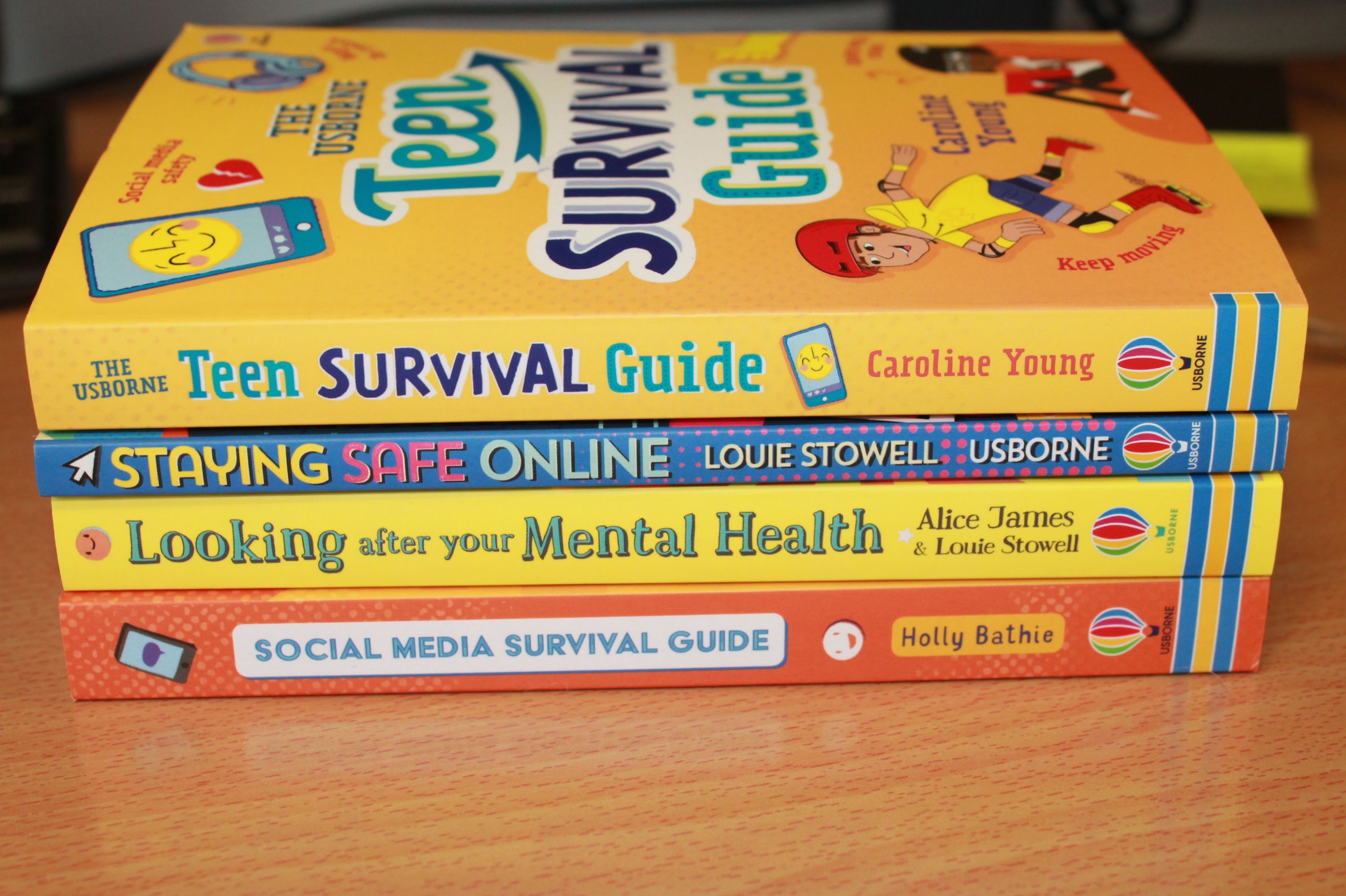
Computing Literacy The computer science department has a selection of fiction, non-fiction and coding books plus a range of revision guides available to loan from either the department itself or the school library to supplement homework and NLS literacy focus as a whole. We also have a large selection of computing magazines. We aim to add to this so, if you have any recommendations that you would like to see included, please email Mrs Badham to add to the reading list. Some ideas to get started -
KS3 Drama Year 7 Drama
Year 7 Drama students have explored House of Secrets (Northwood Hall). This unit of work focused on developing collaboration skills and learning how to work effectively as part of a group. Students listened to and followed a radio play in which they were introduced to two journalist characters. Throughout the unit, students created and developed role-plays linked to the story of Northwood Hall as they followed the investigation. They explored key questions such as why Mrs Le-Strange wanted to sell Northwood Hall, the rumours and stories linked to the house, and what happened on the night Mrs Le-Strange’s uncle died.
Students created small performances using a range of drama strategies and worked in groups to create interesting and believable characters, building both confidence and performance skills. The final performances allowed students to devise their own endings to the story, exploring the genres of mystery, crime and horror.
Year 8 Drama
Year 8 Drama students have explored the play text A Monster Calls. This unit focused on collaboration skills and effective group work. Students explored extracts from the play, combining both scripted and devised elements. They worked with monologues, duologues and group scenes, developing skills in line-learning and interpretation of text. Students also explored the use of physical theatre, chorus and props to enhance their performances.
Year 9 Drama
Year 9 Drama students have explored the work of a specific theatre practitioner, focusing on the Splendid Theatre Company. Students worked collaboratively to create and devise performances in the style of the company, continuing to develop their understanding of practitioner-led theatre and strengthening their collaboration and ensemble skills.
Year 10 GCSE Drama
Year 10 GCSE Drama students prepared for their assessed devised performances, worth 40% of their final GCSE grade, which will take place on Wednesday 25 February and Thursday 26 February. Students have worked collaboratively in groups as either performers or designers to create original performances based on a stimulus of their own choosing. The group had the opportunity to perform a preview after school to VIBE Drama Club on Wednesday 11 February. There is a wide variety in pieces they have created and we wish them well for the assessment.
Boys Don’t Cry This piece of drama explores the consequences and impact of toxic masculinity on teenage boys, from the point of view of our fictional character, Michael. The effect this has on the people around him is also explored. Ensemble: Joshua, Annabel, Bianca, Stanley
Mirror Mirror This performance highlights the pressures women face in society and how patriarchal structures influence these expectations. The group were inspired by the blog ‘Be a Lady’ by Camille Rainville and wanted to show how Disney princesses reinforce the social pressures placed on women to conform to certain beauty standards. Ensemble: Evie, Indi, Tanishkaa, Pippa, Herbie
Joan of Arc The performance, Joan of Arc, tells the tragic but inspiring story of Saint Joan of Arc, who, as a young girl in the 15th century, found the courage to fight for her people in a time of great need. Ensemble: Ella-Mae, Zac, Itika
The Butterfly Effect This performance demonstrates the theory of The Butterfly Effect, exploring themes of change, destruction, and power through large historical events with the question “What if?” exploring alternate realities and outcomes. Ensemble: Jean, Lily, Sadie, Lily, Willow, Tobias, Daniel
Under the Lens Jessie Nelson, Emma Watson, Britney Spears, Ava and Olivia, Ethan Cole - six inspiring individuals share their stories of living ‘under the lens’, exploring the pressures they faced in the media and how they overcame them. Ensemble: Annabel, Aimee, Evie, Charley, Dylis, Jude, Maya
Tower of Lies This performance explores the story of King Richard III as he embarks on a journey to uncover what really happened to his two nephews, the Princes in the Tower, after discovering they may not have been murdered, as history has traditionally suggested. Ensemble: Ece, Hannah, Claire, Norah
Theatre Visit
Year 10 GCSE Drama students enjoyed a theatre trip to watch Willy Russell’s Blood Brothers at The Belgrade Theatre on Thursday 29 January. This provided valuable insight into live performance and supported students’ understanding of set text and performance skills. Students will write about this performance in their Component 3 Theatre Makers Exam as part of their GCSE.
Year 11 GCSE Drama
Year 11 GCSE Drama students have worked towards their Component 2 Performance Examination, which will take place on Wednesday 4 March and Friday 6 March. Students have selected either a Performer or Designer pathway. Performers prepare monologues or duologues, while designers develop work in their chosen design specialism: Costume, Set, Lighting or Sound.
Extra-Curricular Drama
VIBE Drama Club VIBE Drama Club takes place on Wednesdays after school and is open to all KS3 students. The club, led by Year 9 Drama Leaders, supports younger students in exploring persuasive language and creating performances in the style of advertisements.
The Summer Production will be launched in March, with rehearsals continuing on Wednesday afternoons.
Enrichment Opportunity for Year 8 and Year 9 Drama students
We are excited to be an ambassador school working with Highly Sprung Theatre and will be participating in the Physical Fellowship Festival 2026. The Physical Fellowship Festival challenges young performers to engage in an intensive devising process, over two artist residency days in school with Highly Sprung artists, to create a 20-minute piece of thought-provoking and inspiring physical performance to showcase their talents as part of the festival week. The in-school workshops are on Wednesday 17 June and Thursday 18 June and the performance day at the Belgrade Theatre is on Thursday 25 June. Letters with further information about how to get a place on this project have been sent home via parent comms. For further information, please contact Mrs Hill dhill@northleamington.co.uk
Year 7:
Building on their growing confidence as literary analysts, Year 7 have been diving into A Monster Calls by Patrick Ness and rising brilliantly to the challenge. They have explored the complex relationship between Conor and the monster using structured what/how/why paragraphs, helping them move from spotting key moments in the text to explaining how Ness crafts meaning and why those choices matter. Along the way, students have practised selecting precise quotations, zooming in on language, and shaping clear, thoughtful responses that show real insight into character and narrative voice.
Through these lessons, they have also started to develop a deeper thematic understanding of loss, grief, family and friendships, discussing how stories can help us make sense of difficult emotions in a safe and reflective way. Their contributions in class discussions and written work have been mature, sensitive and increasingly analytical, showing real progress in both confidence and skill. It has been fantastic to see such thoughtful engagement with a challenging text, and we’re excited to see how Year 7 continue to build on these ideas as the unit develops. Well done, Year 7!
Year 8:
This half-term, Year 8 have been getting to grips with Shakespeare’s The Tempest, using what/how/why paragraphs to unpick both character and theme in a more sophisticated way. Lessons have focused on exploring big ideas such as power, masculinity, corruption, friendship and the ways comedy is constructed, helping students move from simple observations to more developed, critical responses. Alongside this, they have been refining their ability to choose effective quotations, analyse language and structure, and explain the impact of Shakespeare’s choices on the audience.
Their assessments have centred on Caliban and his treatment, as well as Prospero’s authority and control, and have produced some thoughtful and nuanced pieces of writing. Students have shown a growing confidence in tackling complex moral questions within the play, particularly around injustice, dominance and responsibility. It has been a real pleasure to see such engaged discussion and carefully crafted analytical work, and Year 8 should be very proud of the insight and maturity they have brought to this challenging text.
Winners for the Winter Haiku Competition:
Before Christmas, the English Department hosted a Winter Haiku Competition. A haiku is a traditional form of Japanese poetry, consisting of three lines with a 5-7-5 syllable structure. The focus is often on nature, seasons or fleeting moments, capturing a vivid image or emotion in just a few words.
Students from across Year 7 and 8 took part, experimenting with language, imagery and rhythm to create striking and memorable poems. The competition encouraged creativity, precision and the careful choice of words, and it was wonderful to see so many inventive and thoughtful entries celebrating the winter season.
Our winners, who will receive a £10 Amazon voucher, are the following: Leo M, Tommaso G and Jack G – I’m sure you will agree with the efforts shown that these are well-worthy winners!
Year 9:
As part of their pre-GCSE studies, Year 9 have been working with Shakespeare’s Romeo and Juliet, developing the analytical skills they will need as they move closer to their GCSE course. This half-term, students completed AQA-style assessments exploring Lord Capulet as a powerful character and examining how violence and conflict are presented in the pivotal fight scene in Act 3, Scene 1. Through this work, they have been refining their ability to write clear, structured responses, select well-chosen quotations and explain how Shakespeare’s language and dramatic methods shape meaning for the audience.
Alongside revisiting key skills such as analysing language, structure and character, students have been encouraged to think more deeply about the play’s big ideas, particularly authority, honour, conflict and the consequences of impulsive behaviour. The quality of work produced has shown a growing confidence in tackling longer, more challenging texts and responding in a way that meets GCSE expectations. It has been great to see such focused, thoughtful engagement with this classic tragedy, and Year 9 should be proud of the progress they are making as they continue to build towards their GCSE studies.
Year 10:
This half-term, Year 10 have revisited GCSE Language Paper 1 in much greater depth, focusing carefully on both the reading and writing sections and working closely with the assessment objectives throughout. Students have been developing their skills in analysing unseen fiction extracts, exploring how writers use language and structure to create meaning and impact, while also refining their own descriptive and narrative writing. Lessons have focused on selecting precise evidence, explaining effects clearly and structuring responses in a way that meets GCSE expectations.
Alongside this, students have been building confidence with the technical and creative demands of the writing section, experimenting with vocabulary choices, sentence structures and ambitious imagery to craft engaging pieces of writing. There has been a strong emphasis on planning, accuracy and adapting writing for purpose and audience, helping students to produce more controlled and effective responses. It has been great to see growing confidence and maturity in both their analytical and creative work as they continue to prepare for the demands of the GCSE course.
Next half-term, Year 10s will be similarly split exploring Shakespearean tragedies, either Macbeth or Romeo and Juliet, building on their knowledge from KS3 and their developing literature skills even further. This will be the final element of their Literature course, completing the Power and Conflict poetry cluster, 19th century text and An Inspector Calls already studied, so will be exciting and a great opportunity to start some really effective revision later this year and into Year 11.
Year 11:
This half-term, Year 11 have been turning their attention to AQA English Language Paper 2, developing the skills needed for both the reading and writing sections of the exam. In lessons, students have been practising how to compare writers’ viewpoints and perspectives across two non-fiction texts, analysing how language and structure are used to shape meaning and influence readers. There has been a strong focus on selecting precise evidence, explaining effects clearly and structuring responses so that they meet the demands of the assessment objectives and the expectations of the examiners.
Alongside the reading section, students have also been refining their transactional writing skills, learning how to craft purposeful, well-structured responses for a range of audiences and purposes. They have been revisiting key techniques such as persuasive language, clear paragraphing, effective openings and endings, and maintaining an appropriate tone, while also continuing to work on accuracy and control in their writing. It has been encouraging to see students approaching these tasks with increasing confidence and exam awareness as they prepare for their final assessments.
Revision sessions are now running every Thursday after school in the English department, providing students with additional support and focused exam practice as we move closer to the exam season.
Year 12 Lang-Lit:
Year 12 have been exploring a collection of poetry by Carol Ann Duffy and also studying The Handmaid’s Tale. They have also sat their first mock exam on both of these texts and the Paris anthology. In addition to preparing for their exam, year 12 have also been working on their independent NEA coursework.
Year 13 Literature:
Year 13 students have been busily preparing for their AQA English Literature Paper 2 mock examination, WW1 and Its Aftermath, engaging in thoughtful and often lively discussion around the set texts and the moral questions raised by literature of the period. Lessons have focused on strengthening comparative skills, refining essay structure and ensuring students can confidently explore writers’ methods, contextual influences and thematic ideas linked to war, conflict and their lasting impact. Through close analysis and targeted practice, students have been working towards producing clear, critical and well-supported responses that meet the demands of the assessment objectives.
Alongside their classroom study, after-school revision sessions begun to further support students in the lead-up to mock examinations and the final summer exams. These sessions provide valuable opportunities for focused exam practice, feedback and consolidation of key knowledge and skills. It has been great to see such commitment and mature engagement from the year group as they continue to prepare for this important stage of their A-Level journey.
Year 13 Lang-Lit:
Year 13 Language and Literature students prepared for their mock examinations by revisiting key texts, including The Handmaid’s Tale, The Kite Runner and the Paris Anthology. Lessons have focused on whole-class analysis of these texts, exploring themes, characters, narrative voice and writer’s methods in detail.
Students have also been completing practice essays and creating presentations to consolidate their understanding, develop analytical and comparative skills, and refine their essay-writing techniques. This combination of discussion, analysis and independent practice is helping them to approach the mocks with greater confidence and to strengthen their ability to produce clear, critical and well-supported responses under exam conditions.
Year 10:
Students have been completing their mock NEAs, producing a DVD cover for their own action film. This task has required them not only to design and create a visually engaging product, but also to produce a Statement of Application (SOA) that explains the reasoning behind their creative choices and how these link to key media theorists. Through this process, students have been demonstrating their understanding of genre conventions, audience expectations, and the ways in which media language can be used to convey meaning and attract viewers.
In addition to their NEA work, students have completed detailed studies of a Vogue magazine cover and the poster for the most recent James Bond film, No Time to Die. Within these case studies, they have applied media theory to explore issues of gender and racial representation, examined how media language is used to communicate with audiences, and considered the governance and regulation of relevant media industries. These tasks have allowed students to develop both their analytical and evaluative skills, linking theory to real-world media texts and strengthening their ability to respond to exam-style questions with insight and precision.
Year 11:
Year 11 have been reflecting carefully on their performance in the December mock examination, using structured feedback and reflective strategies to improve and refine their original responses. Students have been working on identifying strengths and targets in their work, redrafting answers and developing more secure exam techniques, particularly around applying media terminology and supporting points with precise evidence. Alongside this, they have been preparing detailed case studies on the popular free-to-play game Fortnite, exploring issues such as audience, representation, industry and marketing, and applying these ideas to exam-style questions.
Year 13:
Year 13 have been working hard in preparation for their Component 2 mock examination, building confidence in their comparative and theoretical understanding of the course content. Students have particularly enjoyed comparing Vogue and The Big Issue, producing thoughtful and increasingly sophisticated essay responses that demonstrate a more secure grasp of key media theorists and how these can be applied to real media products. Lessons have focused on strengthening argument, improving essay structure and ensuring that theoretical ideas are clearly linked to specific examples from the texts.
Alongside their classroom learning, after-school revision sessions have begun to provide further support in the run-up to the mock examination and will continue as students prepare for their final summer assessments. These sessions offer valuable time for focused revision, exam practice and individual feedback, helping students to refine their responses and approach their exams with greater confidence and independence.
Year 7 have been exploring the beauty of coral reefs and how both humans can damage them as well as look after and protect them.
Year 8 are on a very interesting topic called “Can we profit from disasters”?, in this topic they are learning about the theory of plate tectonics and the hazards it causes such as earthquakes and volcanoes.
Year 9 have been exploring biomes of the world, both the physical and human geography features within them, in particular deserts such as the lesser known Thar desert.
At Key Stage 4, Year 10 have now completed their first topic for GCSE Geography called the challenge of natural hazards, where hazards such as earthquakes and tropical storms have been investigated.
They have also completed a topic called the challenge of resource management and moving on to looking at the beautiful coastal landscapes of the UK, such as the famous Durdle Door arch.
Year 11 are completing weekly revision tasks very well and have reflected on the successes of the recent mock exam.
At Key Stage 5, Year 13 have covered a topic on hazards and a topic called Earths Life Support systems. Students are preparing well for the summer exams through the completion of weekly revision questions.
Year 12 have been continuing to cover two topics on coastal landscapes as well as investigating changes in places. They have also begun to plan their Non-Examined Assessment (NEA) and are looking forward to a field visit to Sheffield in March.
Our Year 11 Travel and Tourism students have now completed all internal assessments of their BTEC course (60% total grade) and are studying their final component, Component 3: Influences on Global Tourism. These influences are diverse and range from natural factors such as earthquakes, to the spread of diseases, as well as economic factors such as a recession.
Students will learn about sustainable tourism, impacts of tourism for example, socio-cultural and economic and find out how these range of factors can be managed.
All learning aims (A, B and C) for this component will be assessed in one exam worth 40%, which will be a 2-hour exam for 60 marks on 1 May.
Year 10 have been doing a fantastic job of completing lessons on Component 1: Human Lifespan Development. Students have been looking at how individuals grow and develop physically, intellectually, emotionally and socially across the life stages. In addition they have been exploring how life events can impact development and the services that can be access to support individuals going through different life events.
They have now finished all four booklets and completed four practise assignments in preparation for their first piece of coursework which starts on Monday 23 February. Component 1 makes up 30% of their overall GCSE grade in Health and Social Care.
This first Pearson Set Assignment comprises of four tasks and takes a minimum of six hours to complete. Students will have some changes to their timetables to facilitate completion of these tasks and a letter emailed on January 30 outlined the dates these tasks will take place. We encourage full attendance during this period and there will be some intervention sessions, dates will be shared via G4S after half term.
Year 11 students have worked extremely hard in preparation for their recent mock examination, which focused on the factors affecting health and wellbeing. They should be commended for the effort and commitment shown during this assessment period.
During the remainder of the spring term, students will move on to learning how to design effective health care plans and will explore the barriers individuals may face when accessing health care services or attempting to improve their health and wellbeing.
The final external examination for this component of the Health and Social Care course is scheduled for Tuesday 5 May, following the bank holiday weekend. This exam is worth 40% of the overall qualification. To support students in preparing for this important assessment, a range of revision resources has been uploaded to G4S.
Year 12 students have been working exceptionally hard this half term and have now completed all classroom learning for Learning Aim A and Learning Aim B of Unit 1: Human Lifespan Development. This has included exploring key stages of development across the lifespan, as well as inequalities in health and social care. After half term, we will move on to Learning Aim C, which focuses on the wide range of professions within the health and social care sector and the importance of multidisciplinary working.
In Unit 2 students have just finished learning about the Respiratory System and the health disorders associated with this, such as COPD, Lung Cancer and Asthma. We have recently moved on to learn about the Nervous System, looking at how our Central Nervous System controls our homeostatic mechanisms and how brain injury can disrupt such functions.
After half term we will consider how the Renal and Endocrine Systems are also involved in homeostasis. Once all content has been covered, lessons will then shift towards structured revision and practising full past papers in preparation for the external exam in May.
Year 13 Health and Social Care students have now completed the teaching of all new content for their examined component and are currently focusing on consolidation and revision in lessons. Students have been working extremely effectively as a team, demonstrating strong collaboration skills as they recall key knowledge and apply their understanding to a wide range of examination-style practice questions. Revision work draws heavily on learning from Unit 2: Working in Health and Social Care. Students are revisiting key concepts such as promoting equality and diversity, understanding the impact of discrimination, upholding individual rights, and the responsibilities of health and social care providers. They are also reinforcing their understanding of legislation, policies, and procedures that underpin safe practice, including risk assessment, safeguarding, and infection control.
Alongside exam preparation, students have one remaining learning aim to complete as part of their coursework. This final piece of assessed work allows students to demonstrate their ability to apply theoretical knowledge to real-life health and social care contexts, further strengthening their readiness for both assessment and progression beyond sixth form.
The commitment and maturity shown by students at this stage of the course has been excellent, and their focused approach to revision and coursework completion is a positive reflection of their dedication to achieving strong outcomes.
This term Year 7 have studied the problems faced by medieval Kings, including the murder of Thomas Becket in Canterbury cathedral over the issue of spiritual versus temporal power, a theme continued through to Year 8 with Henry VIII and the Reformation. We will develop this focus on the importance of religion to the medieval mind with the tragedy of Thomas Becket, murdered by Henry II’s knights in Canterbury Cathedral. This theme of the challenges to monarchical power continues with King John and the Magna Carta. We also look at the Black Death and its de-stabilising effect on medieval society, leading to the Peasants Revolt.
Year 8 have been looking at the Restoration, with the return of the monarchy under Charles II in 1660. We have focused the declining power of the monarchy, the witch-craze, a source analysis on the position of women in the period 1500-1700 and the scientific revolution. This sets the scene for the reforms of the industrial period from 1750, our focus for the rest of the year from Easter.
Since January, year 9 have been working on an assessed piece of work on the causes of World War II and the role played by the British government’s appeasement policy. After half-term we cherry pick the most interesting aspects of World War II, including the evacuation of children from major cities and urban developments and whether the evacuation from Dunkirk was a triumph or a disaster and the Blitz.
Please look out for a research homework project asking students to research their family’s involvement in World War II. We also examine the Holocaust, the arguments for and against the bombing of Dresden and the first and only use of atomic weapons to end the war in the pacific.
Having completed Paper 1 on Medicine Through Time Year 10 are continuing to work through Paper 2 of their GCSE this year, with Early Elizabethan England, 1558-88. We explore the various challenges to her throne from Catholics at home and abroad. We then begin looking at Elizabethan society, with a focus on poverty, education, leisure and exploration.
Year 11 complete Paper 3 in Year 11. We have been looking at life in Nazi Germany. After half term we will then have a few weeks to focus on revision. Year 11 have been given a revision schedule to organise their revision focus at home, on Paper 1, which we last covered in Year 10 and Paper 3. We are offering revision sessions after school on Mondays at 3.20 - 4.00. A timetable and focus for each session is advertised on the door of each classroom. Please contact your child’s History teacher if you have any concerns or need any support with revision.
Year 12 historians are working through Paper 1 – Britain, 1918-97 and the USA, 1955-92 – which is their focus for the year.
Year 13 historians are progressing well with Paper 3 – the British Experience of Warfare, which will finish next term leaving us with a few weeks for revision. With coursework now completed, students should be revising for Papers 1, 2 and 3 at home. If any help or resources is required, please refer to the Digital Learning Hub or consult with teachers.
Year 12 and 13 have completed their mock exams this term, when the results are published this will be informative for students of current progress and offer some focus for revision moving forward.
Year 12 Politics students are working through Paper 1 and 2 – British Politics and British Government – which is their focus for the year. It is important that students keep abreast of contemporary political events by reading broadsheet newspapers, following politics programmes on TV and radio and listening to the podcasts that have been suggested to them in class. The same applies to year 13 to enable them to comment on contemporary events in their June exams. They will also need to follow global political events which is the focus for their paper 3 which looks at Global Politics.
Please look out for the results from the recent mock exams completed, by Year 12 and 13 Politics students. This will reveal a great deal about their current progress and offer some focus for revision moving forward.
Year 7
Students must have been roaring to get back after the Christmas break because they have been absolutely brilliant from the start. During the first half of this half term, students focused on fractions and percentages, followed by solving
equations and finding that mysterious x. Progress across the year group was fantastic, and students approached their learning with enthusiasm.
Year 7 SPARX Maths continues to go from strength to strength, with high levels of engagement across the year group. It was particularly encouraging to see more students using the independent learning feature to practise, challenge themselves, and deepen their understanding.
To support students further, the Maths department ran a SPARX Maths Clinic every Thursday from 15:15 to 16:00 in S216. These sessions provided valuable support with homework and helped students build confidence.
Our Year 7 Maths Club run by Mr. Cole in S202 on Thursdays after school, has been a real highlight, giving students the chance to tackle fun problems and rich mathematical tasks in an engaging and supportive environment.
The weekly Maths Challenge was extremely popular, with students eagerly taking part each week. One student won a £10 Amazon voucher weekly, with all winners entered into a half-termly draw for a £20 Amazon voucher.
Finally, the Maths Homework Space ran every Tuesday from 15:15 to 16:00 in S206, offering a structured environment where students could complete homework and receive support when needed.
Year 8
Students have worked on fractions and percentages, building confidently on the foundations laid in Year 7. In the second half of the half-term, the year group completed an assessment, and we spent a considerable amount of time revisiting prior learning and preparing thoroughly. Students approached this positively and showed maturity and focus throughout.
SPARX Maths continues to go from strength to strength, with high levels of engagement across the year group. It was particularly encouraging to see more students using the independent learning feature to practise, challenge themselves, and deepen their understanding.
To support students further, the Maths department ran a SPARX Maths Clinic every Thursday from 15:15 to 16:00 in S216. These sessions provided valuable support with homework and helped students build confidence.
Our Year 8 Maths Club on Thursdays after school was a real highlight, giving students the opportunity to tackle fun problems and rich mathematical tasks in an engaging and supportive environment.
The weekly Maths Challenge was extremely popular, with students eagerly taking part each week. One student won a £10 Amazon voucher weekly, with all winners entered into a half-termly draw for a £20 Amazon voucher.
Finally, the Maths Homework Space ran every Tuesday from 15:15 to 16:00 in S206, offering a structured environment where students can complete homework and receive support when needed.
Year 9
Students continue to make good progress in their Maths lessons, where they have now completed half of the modules that we cover in Year 9. Students have completed four GCSE modules to date:
Module 1 on Number
Module 2 on Geometry and Angles
Module 3 Fractions, Decimals and Percentages
Module 4 Algebraic Manipulation - we finished the term with this challenging module.
Students should be encouraged to complete all Maths homework, that is set weekly, to the best of their ability. Additionally, students should now be in good revision habits, using their personalised learning checklists that can be found on the front page of their assessments to support them in filling any gaps in knowledge identified here. Their resilience has continued to be excellent, and progress is looking good! We’re super impressed with their engagement and participation!
Year 10
Year 10 students have been working hard this term and students have now completed Module 9-12. This half term students have focussed on Module 11 which enhances their Ratio and Proportion skills, building on knowledge learnt in KS3 to embed and develop into GCSE level. Students then moved on to a fairly short Module 12 which looks at Measures and Accuracy, developing skills such as rounding, estimating and bounds as well as compound measures. Teachers and students have worked hard on revision strategies and techniques in lessons to ensure students are fully prepared for their module assessments.
Some of our Year 10 students have taken part in the Intermediate Maths Challenge, where they worked hard to solve mathematical problems.
At home, please encourage students to complete their weekly homework to the best of their ability as well as revision to fill any gaps identified in previous assessments. Students have a personalised learning checklist for each module that can be found on the front page of their assessments. They have identified areas for improvement and should dedicate time at home, little and often, to complete revision on these areas. Students can use websites such as Maths Genie and Corbett Maths as well as the Digital Learning Hub to help support their revision.
Year 11
Year 11 have been working on their second set of mocks and we are very pleased with their progress so far. Students are showing a committed and determined attitude and we are sure we are going to see an improvement from the October mock scores.
There are after-school revision sessions for Year 11s every Tuesday now until they start study leave, these begin at 3.15pm until 4pm and are all on the maths corridor. It would benefit students greatly if they attend.
We have now fully finished the course and revision is the order of the day. Students should use the maths genie website to consolidate and close their gaps in learning. Good luck to all students!
Year 12
Overall, Year 12 have worked well through the content and have adapted to the increased demands of the course. Most of the course content for Year 12 has been completed and as such we are now expecting students to be deep into revision, using the bronze, silver gold materials from the Digital Learning Hub as well as practice papers and websites such as MadasMaths to help. We are confident that they will make good progress and build on their Maths mock results.
Year 13
Year 13 have almost completed all of the course now and should be working to revise topics highlighted from their mocks as well as applied papers that they will be sitting in class. Revision should be a mix of practice questions from websites such as MadasMaths and past exam papers provided by teachers, as well as being available on Physics and Maths Tutor.
Year 13 have shown a great attitude to their learning since the autumn mocks, and we are confident that this should be rewarded with good progress over the coming months.
French
Year 7 students have been studying the topic of school and have recently completed a translation assessment and achieved some fantastic results. Students have really progressed this term and are producing detailed language with opinions and justifications. Next term, we will complete our listening assessment on the school topic. Students are working very hard and making fantastic progress in all skills.
Year 8 students have worked hard this term on the town topic. They have just completed a reading assessment and their results are outstanding, well done! They have grasped the near future tense incredibly well and have become confident using it in their writing and speaking. Next term, we will complete a reading aloud assessment.
Year 9 have worked very hard this term on the free time topic. They have studied film and tv genres and have learnt how to give detailed and complex opinions. Students have completed a translation assessment and have produced some excellent results that they should be very proud of. This is the first time they have completed a translation into French task and required students to annotate the task before completing the translation. This is a skill at GCSE, so we hope you will consider optioning for French in Year 10.
Year 10 students have worked very hard all term learning some tricky vocab and grammar. They completed a listening and writing assessment and results are fantastic. We are currently studying the school topic and are focusing on producing language in three tenses. Well-done Year 10 and we look forward to seeing your progress next term.
Year 11 have been working diligently through the environment topic this term and have made excellent progress. Students received their mock results this term and all did fantastically well . Our FAR response focused on writing skills to really encourage students to improve their planning skills to boost their marks. This term, students also completed their final speaking mock. Students worked incredibly hard for this and their results reflected this diligence.
Well done, Year 11!
German
Year 7 German students have studied the topic of family and prepared for the listening and writing assessments. We will complete these tests next term. Our students have really progressed in this module of work and have produced some complex language with detailed descriptions of family members. They have become more confident with verb formation in the present tense.
Well done, Year 7.
Year 8 students have worked diligently all term and completed a speaking assessment on the topic of town, shopping and the future tense. Well done on the speaking test results, they have produced some excellent scores. In this module, our students have really understood the future tense in German and are confident using it to discuss holiday plans. Next term we will complete our reading test.
Year 9 Well done Year 9, students have all worked extremely hard this term and should be proud. We have studied the topic of healthy living and focused on modal verbs and the past tense. Students have successfully completed a writing translation assessment and produced some excellent results. This is the first time they have completed a translation into German task and it required students to annotate the task before completing the translation. This is a skill at GCSE so we hope you will consider optioning for German in Year 10.
Year 10 Well done Year 10 for successfully completing both the listening and writing assessments this term. We have studied the topic of free time. They have worked diligently and their results from these assessments are testament to this. Many students have achieved a higher grade from their target grade in the listening test. We are so proud of this success. We are currently studying our next module – the topic of family and relationships and focusing on three tenses. Keep up this excellent work and we look forward to seeing you progress even further.
Year 11 Well done on your successes this term. Year 11 have been studying the topic of environment and made excellent progress. We have been regularly revisiting our target grade structures and focusing on tenses. We have also completed FAR on our mock assessments and students have really understood what is required for the writing and speaking assessments in terms of grammatical structures and tenses. We were particularly impressed with the listening and reading assessment results. Next term, we will complete mini-speaking mock tests to give feedback before the real examination in April. Keep up this excellent work and we are always here to support.
Year 7: Expression in Music & Pitch in Music Expression This unit of work focuses on music appreciation, composition and sequencing, exploring the use of musical devices to create ‘expression’ in music. Students have been provided with listening tasks to develop their understanding of how musical elements can be applied to enhance a story. Students were then tasked with using music software to compose a musical soundtrack for a fairy tale to enhance the action, drama and emotion in the narrated text. Students have been developing their musical sequencing and editing skills alongside elements of composition and theory.
Pitch This unit of work focuses on performing written music. Students develop their practical music-making and keyboard skills alongside their understanding of pitch. Notated music challenges students to consider note placement and pitch in order to reproduce famous musical melodies, whilst developing their keyboard and collaborative skills. Students are encouraged to perform to the class for assessments and build confidence through shared music-making experiences. Resources are provided to offer students of all musical ability the opportunity to access the curriculum and develop musical understanding.
Year 8: History of Pop This unit of work focuses on music appreciation, listening, analysis and performance. We have listened to music from the 60s, 70s, 80s and 90s focussing on artists such as the Beatles, Queen, Madonna, The Spice Girls and Blur. Students have then been tasked with performing a selection of popular pieces to reflect their understanding and appreciation of musical styles and sounds from the past. The combination of historical, contextual and practical tasks has given students the opportunity to engage with artists and genres that continue to influence the popular music of today.
Year 8: Winter Story This unit of work has focused on music appreciation, composition and sequencing, exploring the use of musical devices to create ‘expression’ in music. Students were provided with listening tasks, including programme music, to develop their understanding of how musical elements can be applied to enhance a story. Students were then tasked with using music software to compose a musical soundtrack for a ‘Winter Story’ to enhance the action, drama and emotion in the narrated text. Students have continued to refine their musical sequencing and editing skills alongside elements of composition and theory.
Year 9: Musical Styles - Performing/Composing/Sequencing Composing & Sequencing This unit of work focuses on students collaborating in pairs or small groups to compose and produce three musical examples that demonstrate an understanding of the key features associated with Rock’n’roll, Reggae and Latin music. Students have been using their knowledge of sequencing software to compose and record examples of these musical styles. To broaden their understanding of the instrumentation, composition techniques, structure and features associated with different types of music, students have been encouraged to analyse a range of pieces through listening tasks, identifying the key terms and musical devices used to create music in a certain style.
Performing This unit of work focuses on students collaborating in pairs or small groups to perform examples and elements of Rock’n’roll, Reggae and Latin music. Students are encouraged to develop their practical, technical and collaborative performance skills, practising and performing challenging notated music. They have also been encouraged to consider the three genres and apply genre-specific stylistic or musical features to their performance. Students are encouraged to demonstrate a disciplined approach, review their work, monitor progress and identify areas for development.
Year 10: BTEC Music Level 2: Component 1 tudents have been working towards the completion of Component 1 of their course. During these components, students have been learning about a range of musical styles and will be tasked with performing, reproducing and composing pieces to demonstrate their practical/instrumental/music-making skills. Alongside their practical work students have produced written analysis and reviews to demonstrate their historical, contextual and theoretical knowledge.
Year 11: BTEC Music Level 2: Component 3 Students have been working towards their PSA for Component 3. This unit is focussed on students developing and demonstrating their music composing skills using a combination of music software tools, live techniques and instrumental skills to explore, compose and realise their creative ideas. They are tasked with planning, preparing and recreating a popular piece of music in a contrasting style, providing written analysis/reviews to record their progress and demonstrate their knowledge.
Year 12: BTEC Music Level 3: Unit 1 Students in Year 12 have been developing their knowledge of music theory by completing performing and composing tasks. They continue to build on their current understanding of western musical traditions and notation with a view to consolidating their knowledge in the form of a presentation and musical examples for assessment in February 2025.
Year 13: BTEC Music Level 3: Unit 3 Year 13 have recently completed work for Unit 6 and their Solo Performances. They have now started work towards Unit 3, working as a musical ensemble. This unit involves planning, practice and collaboration for students to arrange and perform a short set of music for a final assessment in April 2026.
Extra-Curricular
Orchestra: Tuesdays 3:30pm – 4:30pm
Rock Club: Wednesdays 3:20pm – 4:20pm
Steel Band: Wednesdays 3:30pm – 4:30pm
Pop Choir: Thursdays 3:30pm – 4:30pm
The start of spring term means a change in activities in PE lessons, with boys doing Football, Gymnastics, Dance, and Table tennis and girls Basketball, Netball, Badminton and Handball in KS3. KS4 boys moved on to Football, Handball and Table tennis, with girls doing Badminton, Netball and Health Related Fitness.
Examination courses in the Spring term involve mock exams for Year 10 GCSE classes, Btec Sport classes at Year 11, and Year 12 & 13 A-level PE students. Year 11 GCSE students have had practical moderation of their performance sports at which included assessment sessions on Football, Netball, Badminton, Table tennis, Handball, Rugby, Cricket and Basketball.
Our Year 13 A-level students have also been preparing hard for the Evaluation and Analysis of Performance element of the course, this is worth 15% of their final grade and is a verbal exam lasting 30 minutes.
New extra-curricular fixture and clubs have been running this half term, alongside the weekly afterschool GCSE practical moderation sessions. Despite the dark nights limiting the scope to have Football and Rugby fixtures, NLS have continued to perform well in local competitions.
Basketball The Year 7 team played in the third and final central venue tournament at Southam College on 4 February and faced the hosts along with Myton, Oakley, and Campion.
They started with a close game against a strong Myton Team. After a slow start they were level at half time. The two evenly matched teams swapped the lead a number of times in the second half but in the end couldn’t be separated and finished with the game tied. They then recorded a convincing win against Southam before facing the league leaders Campion. NLS played extremely well and were disappointed to record another draw when Campion managed to score the last basket. With a comfortable win against Oakley they finished the day undefeated. A fantastic performance from all the boys who played.
The Year 8 basketball team completed their final central venue tournament hosting Myton, Southam, Campion and Oakley, looking to keep their unbeaten run going, after winning the trophy last year. Such is the strength in depth of the NLS team, we had 17 players the squad. The first game against Campion was a 22- 8 victory with 14 different players making an appearance. In the second game vs Southam we gave everybody a run out and secured another comfortable win, behind top scorer and captain Callum. With another 100% record the team travel to the District Finals next month as hot favourites and are excited to also start their Jr NBA campaign after half term as they compete in the national competition.
The Year 9 team welcomed the current District Champions Myton to NLS, who feature two national league players. Despite their huge height advantage and star players, NLS put up a decent resistance, but eventually went down 46-24, but they should be proud of their performance of effort.
The Year 10 team, who are reigning District Champions and unbeaten at local level for two years, hosted a strong Year 11 Campion Team. Campion were leading at the end of the first quarter, their height giving them an edge, but NLS settled and with the help of baskets from debutants Alex and Tobias finished the first half with the lead. The boys started the second half well and extended the lead and ran out winners 52 – 40, which is a great result again a team from the year above.
Year 10 Basketball team vs Campion Yr 11
Netball
The Netball season has continued with a combination of indoor and floodlit courts. Some highlights include:
Year 7 travelled to Kenilworth with an A and B team for two very exciting matches. The A team showed great determination. Having finished the first quarter 2-0 down, they found better rhythm to pull goal back in the second quarter. The third saw Kenilworth go ahead 5-2 before the team brought about dramatic turnaround in the final quarter with some lovely movement and ball transition through the court, forcing Kenilworth to work hard to keep their lead. With great determination the NLS team pulled the score back step by step which saw NLS take a 7–5 victory.
In the Year 7B team game, despite going behind by 1 goal in the first quarter the NLS team grew in confidence and scored. However, after going behind again, the third quarter saw strong defensive work from NLS limit Kenilworth’s chances, Despite a great effort in the final quarter, Kenilworth secured the win 6–2 but there was clear improvement shown throughout the match from NLS.
The Year 8A Netball team produced an outstanding performance at the District Tournament this term continuing their unbeaten league season so far. Beginning against a strong Kenilworth A side, it took the team a few minutes to settle but once they found their rhythm, NLS showed great composure and teamwork to take control and secure a well-earned win.
In the second match V Myton, the defence worked brilliantly to limit the opposition’s chances, turning over possession and preventing scoring opportunities. The team remained disciplined and took another convincing victory. By the third and fourth matches NLS were fully into their stride and led to confident wins against King's High and Kenilworth B. The fifth match against King's High B saw superb attacking play, with excellent feeds into the shooting circle from Holly and Evie for plenty of opportunities for the NLS shooters, who capitalised well to earn yet another win. The final match was against Southam, who are also unbeaten in their league campaign. NLS remained focused and worked brilliantly together to transition the ball from attack to defence, showing real grit and teamwork to finish the tournament with a final win. With determination, teamwork, and resilience throughout the day, securing victory in every match to finish as overall tournament winners.
The Year 8B Team faced two opponents this half term, with matches against Arnold Lodge and Finham Park. Facing a strong Arnold Lodge team NLS showed great enthusiasm and determination throughout the match,responding well when Arnold Lodge scored and excellent resilience to bring the score back to 1–1. The team showed strong defensive work and maintained pressure however, Arnold Lodge edged ahead again and despite a brilliant effort and constant running from the mid-court players NLS were unable to close the gap and the final score of 4–1 to Arnold Lodge.
Determined to bounce back in the next game against Finham Park, NLS started strongly, converting shots confidently to take a 4–0 lead by the end of the first quarter. In the second quarter, Finham Park found their rhythm and scored howver, strong mid-court play from NLS helped move the ball smoothly through the court, allowing the shooters to extend the lead to 5–1. The third quarter saw excellent defensive work limit Finham’s scoring opportunities by turning over the majority of their attacking efforts. NLS continued to build their lead, finishing the quarter 6–2 ahead before NLS finished strongly and recorded a well-deserved 7-2 victory.
The Year 9B Netball team produced a brilliant performance at the local District Tournament. Starting against a strong Kingsley team the game ended a draw. As their confidence grew they all showed brilliant determination and went on to win all their remaining games.
NLS V Southam 5-0
NLS V Campion 7-2
NLS V Arnold 5-1
NLS V Kingsley 3-3
Elsa and Ava in defence limited many of the oppositions attacking chances by intercepting feeds and getting rebounds. Izzy, Yasna, Annabel and Emily in centre court, worked well together to bring the ball down from attack to defence. With Amelie and Carys displaying brilliant shooting throughout.
A fantastic team effort ensured the team were awarded the overall winners of the tournament.
The Year 9B team also played Arnold Lodge and Finham Park. Facing Arnold Lodge, the teams were evenly matched throughout the game. In the final third, mid-court trio of Myah, Holly, and Ava working relentlessly to transition the ball from defence into attack, the shooters grew in confidence but Arnold Lodge managed to maintain their narrow lead 5-4 until the final whistle.
With several key Year 9 players unavailable, members of the Year 8A squad stepped up at the last minute to fill in when they faced Finham Park. NLS made a strong start and take an early 6–1 lead. In the second quarter, NLS continued to extend their advantage with confident shooting to extend their lead to 13–3 by half time. The second half saw NLS continue to work cohesively as a team to finish the match with a convincing 21–6 victory.
The Year 9A team completed their undefeated league campaign in style with a dominant performance against Kingsley. from the first whistle, NLS played with high energy and intensity. Strong defence limited Kingsley’s attacking opportunities, while some fantastic long-range shooting gave NLS a 10–1 lead after the first quarter. NLS carried their momentum into the second quarter, with Kingsley struggling to cope with the pace and movement through midcourt. This allowed NLS to extend their lead to 20–5 at half time. The third quarter saw excellent teamwork push the score further ahead to 32–7. In the final quarter, NLS rotated players into different positions, but the team continued to perform strongly and finished with a convincing 35–8 victory sealed an outstanding, undefeated league season.
Girls Football – Tournament Win The Year 9 girls travelled to Southam to take part in an inter school 5-a-side tournament. Despite Captain Elsa having to pull out through injury the day of the tournament, Mr Bamber took the team with great expectations due to the strength in depth they have demonstrated over the last couple of years and they didn’t disappoint. With some great saves, Eryn a rock at the back, Amelia a great outlet on the right, and Holly on the left who scored a great goal, and Isobel in sensational form, scoring 9 out of the team's 10 goals. The girls ran out with a 2-0 win against Campion and Southam and 3-0 wins against Myton and Kenilworth. Congratulations on winning another tournament.
Cross County North Leamington Runners A number of NLS students competed in the Warwickshire School’s Cross Country Championships at Princethorpe College recently and recorded some fantastic results.
Minor Boys
Freddie F - 5th
Minor Girls
Amelia F - 10th
Poppy S -20th
Junior Girls
Lola G - 4th
Molly F - 24th
Junior Boys
Zach S - 10th
Senior Girls
Daisy G - 6th
Senior Boys
Archie L - 1st
Inter Boys
Jacob S -1st
Dylan K - 2nd
Congratulations to Freddie, Amelia, Lola, Daisy, Archie, Dylan and Jacob who have all been selected to represent Warwickshire and upcoming national competitions in March.
Year 7:
Year 7 have been looking at strategies for dealing with bullying in person and online. It has been really enjoyable watching some of their role-plays in lessons as they tried to demonstrate when banter becomes bullying and the role that everyone has to play in tackling this.
Year 8:
Our Year 8 students have been exploring issues of prejudice and discrimination in society and the importance of challenging this and celebrating diversity. Next half term we will look at emotional health and issues that can impact this. We will cover some potentially challenging topics such as bereavement and body image. If you feel your child might need some extra support during these session please don’t hesitate to contact us.
Year 9:
Year 9 have been looking at issues relating to family life and conflict at home. We have been looking at different scenarios that could potentially lead to conflict with friends and family and strategies managing and de-escalating situations before they become more serious. Year 9 have really engaged well in class discussions and have shared some thoughtful suggestions.
Year 10:
Year 10 have examined some of the pros and cons of living in a society so heavily influenced by social media. They have been suggesting strategies to prevent becoming reliant on mobile phones and other devices. We will move on to explore issues relating to drugs and alcohol misuse and warning signs of addiction next half term.
Year 11:
Year 11 have been studying features of healthy relationships and red flags that we might start to see when a relationship becomes unhealthy. Year 11 have shown a great deal of maturity when discussing exploring issues such as harassment and stalking.
Year 12:
Year 12 have been working through our relationships unit and have been looking in particular at the importance of communication in intimate relationship and strategies for ending relationships sensitively and safely. It has been lovely to hear the advice they have offered during class discussions on how to manage emotions after a relationship has ended.
Year 13:
As a continuation of our relationships unit Year 13 have been examining issues relating to fertility and some of the potential challenges of becoming a young parent. It’s been great to see Year 13 engaging so well with this making links to their own lives and the impact this could have.
Year 12 students have successfully completed their Memory unit. As part of their studies, they unknowingly participated as eyewitnesses to a staged incident, designed to demonstrate the impact of leading questions on eyewitness testimony. This exercise highlighted how such questioning can contribute to wrongful convictions, as seen in notable cases like that of Ronald Cotton which you can read about here: Ronald Cotton Article
Students have enthusiastically engaged with wider reading this term, including a chapter from Before I Go to Sleep, a psychological thriller about a woman who loses her memory each time she falls asleep. Many students were so captivated by the story that they chose to read the book.
Students have diligently prepared for their mock exams, which assessed their understanding of Social Influence, Memory, and Research Methods. They have demonstrated excellent revision strategies by creating high-quality resources such as flashcards, mind maps, and practice exam questions—valuable tools in honing their exam techniques.
We are incredibly proud of their hard work and dedication and look forward to seeing their continued progress as they continue to study Approaches and begin their numeracy-based Research Methodsunits.
Year 13 students have successfully completed their study of Schizophrenia, gaining a deeper understanding of the disorder beyond common societal misconceptions. They have explored the symptoms, challenges associated with diagnosis, and the various treatment options available. Throughout their studies, they have demonstrated great empathy and insight into the experiences of individuals living with schizophrenia.
Students particularly enjoyed the wider reading for this topic, choosing between Hidden Valley Road—a compelling account of an American family in which six of twelve children were diagnosed with schizophrenia—or I Never Promised You a Rose Garden, a powerful memoir by an author who has lived with schizophrenia for many years.
Students have made excellent synoptic links between Schizophrenia, Forensic Psychology and the Issues and Debates topic. For example, they have critically examined the ethical implications of attributing schizophrenia to parental influence and have discussed the complex trade-offs in treatment—acknowledging that while antipsychotic medication can alleviate symptoms, it can also lead to serious side effects such as tardive dyskinesia and life-threatening blood disorders.
Additionally, the popular module of Forensic Psychology which explores offender profiling techniques, various explanations of criminal behaviour and how we deal with offending behaviour has been completed. This unit allowed classes to have complex and in-depth discussions on their opinions on what causes us to turn to offending behaviour and analyse popular case studies like that of Jeffrey Dahmer, the Yorkshire Ripper and the case of James Bulger.
We are incredibly impressed with their thoughtful engagement and critical thinking throughout these more complex topics and look forward to their continued academic progress as we look to conclude Research Methods with statistical analysis techniques and Cognition and Development.
Psychologists to celebrate!
Kam L (year 12) and Emily T (year 13) have been exceptional in their approach to preparing for the Spring mocks and have been awarded Psychologist of the Month. Well done!
Year 13:
Year 13 have been working extremely hard preparing for their mock exams and it has been lovely to see their dedication through attendance to after school intervention sessions and completing extra essays at home. We hope their hard work has paid off. Next half term we will complete the final topics of A-level RE. We will then revisit some of the more challenging topics so as always, attendance to lessons is crucial. Please remind your child that revision sessions are taking place every Tuesday from 3.20pm in H118 and H214. We will be setting regular revision tasks and practice essays to support students in their preparation for the final exams so it’s important that your child checks Go4schools regularly.
Year 12:
Year 12 have started to look at the idea of religious experiences and some of the challenges that arise when proving their existence. Students are growing in confidence when discussing their own views which is great to see. Please encourage reading around the topics studied so that they develop their knowledge of the views of key thinkers. A-level revision guides can be purchased for all three components. Contact the RE team if you would like further details on this.
Year 10:
Year 10 students have just finished studying Islam practices which is the final topic of the GCSE course. We will be reviewing previous topics and refining exam skills next half term to support students as they prepare for the final exams. It was lovely to see so many students attending the after school revision session. We hope their hard work and dedication has paid off. We will be sending out an after school revision timetable next half term. Revision sessions will run on a Wednesday or Thursday after school every week until the final exam so if your child needs some extra support, remind them to come along. There is also the option of a breakfast club revision session on a Tuesday morning before school in H118. If you have any queries about this or how to support your children to revise at home, please contact the RE team.
Year 9:
Year 9 students have explored issues of life and death during the spring term. It has been really interesting to hear their views on topics such as abortion and euthanasia. They have shown a great deal of maturity and sensitivity during class discussions. Please remind your child of the importance of revising thoroughly for end-of-unit assessments. Revision resources for assessments are uploaded onto Go4schools beforehand so it is important that students check this regularly. If you need any advice on helping your child to revise at home please contact the RE team.
Year 8:
We introduced our Year 8 students to Humanism this half term. We have focused in particular on how humanists might respond to different ethical issues and their approach to the afterlife. Students have been comparing humanism with other belief systems as well as their own. They have particularly enjoyed examining the views of some famous humanists and sharing their own opinions on ethical dilemmas.
Year 7:
We have just completed our first philosophical unit with Year 7 focusing on creation, causation and various arguments for and against the existence of God so you can look forward to answering some of life’s big questions over the half term break!
Year 7 have had a fantastic time in Science Club taking part in an Egg Drop Challenge. Students worked to design and build protective structures to prevent an egg from breaking when dropped from a height. This activity helped develop their problem-solving, teamwork, and engineering skills, as well as their understanding of forces and materials. They showed excellent creativity and enthusiasm, and many designs were very successful. Well done to all involved for a great session in Science Club.
Year 8 - Adaptations
During Year 8 science lessons students demonstrated exceptional effort, curiosity and determination while exploring the fascinating topic of adaptations.
Students were challenged to think like real scientists as they investigated how organisms survive and thrive in some of the most extreme environments on Earth. They were tasked with selecting an organism of their choice and analysing how it was adapted to live successfully in a particular extreme habitat, such as deserts, polar regions or deep oceans exploring a wide range of anatomical and behavioural adaptations, showing impressive creativity and scientific understanding.
A key focus of the task was the concept of surface area to volume ratio, and students confidently explained how variations in structures such as limbs, ears, leaves or body shape helped their organism regulate heat, conserve water or obtain oxygen efficiently.
The level of engagement and commitment shown by the class was outstanding. They approached a challenging scientific concept with maturity, asked thoughtful questions, and applied their knowledge with increasing confidence. The presentation of their findings was exemplary, communicating clearly with appropriate scientific terminology and showing pride in their work.
Separating Techniques
Year 8 have completed a series of practical lessons focused on separating techniques. These practicals included filtration, distillation and chromatography and are a key part of the curriculum and have given students the opportunity to experience science as active investigators.
Working collaboratively applying their understanding, they used filtration to explore how solids can be separated from liquids, carefully selecting appropriate equipment and refining their technique to achieve clear results using DIY filters. In distillation experiments, students investigated how differences in boiling points can be used to separate liquids. Chromatography offered a particularly engaging visual experience, as students analysed mixtures such as inks and dyes, observing how individual components travel at different rates within particular colours and inks.
Beyond the scientific content, these practicals helped students develop essential skills such as problem-solving, teamwork and good laboratory skills. They were encouraged to make predictions, record observations, evaluate results and reflect on sources of error. The enthusiasm and focus demonstrated has been outstanding and these experiences support academic progress and a sense of curiosity and resilience.
A Whoosh of Science: Year 9 Explore Energetic Reactions Year 9 students have had an exciting and productive time in Science learning about endothermic and exothermic reactions. They explored how energy is transferred during chemical reactions and were particularly engaged by the “Whoosh bottle” demonstration, which showed the combustion of an alcohol in a dramatic and memorable way. This helped them clearly see an example of an exothermic reaction and sparked lots of enthusiasm and discussion.
Students also learnt about the reactions of acids, developing their understanding of how acids interact with different substances. They carried out practical investigations into the reactions between acids and metals, observing gas production and recording their results carefully. This practical work supported their scientific skills, including making observations, writing equations, and working safely in the laboratory.
The students showed excellent focus and curiosity throughout the lessons and thoroughly enjoyed applying their learning through hands-on experiments.
Year 9 – Pressure Year 9 have also been conducting an exciting hands-on practical into pressure. The aim was to investigate the effect of changing weight and/or surface areas on pressure. The practical helped students understand that is not only weight that can affect pressure but also the surface area.
Measuring the depth of indentation in sand with different weights
Students worked in small groups to test the indentation in sand.
Masses were placed on small blocks and in each case the pressure was calculated and the depth of indentation in the sand measured. They identified various variables and were able to process data in order to calculate pressure.
At the end of the practical, students were able to identify variables, calculate pressure and conclude that increasing weight increases pressure and increasing surface area decreases pressure. This was a challenging lesson in terms of maths skills and measuring more than one variable. Students were able to apply their findings to real life contexts such as why it is better to wear snow shoes compared to normal shoes.
Year 9 students have been exploring the structure of DNA. They created models to demonstrate the double helix of a DNA strand and show how the structure is formed.
A key focus was understanding that only specific complementary base pairs can join together. Students used their models to represent this pairing clearly and accurately.
Class 9Y3 did an excellent job constructing detailed models and confidently explaining their choices.
They were able to correctly identify and articulate the complementary base pairs adenine with thymine and cytosine with guanine.
Overall, the activity helped students visualise DNA structure, deepen their scientific understanding, and develop their ability to communicate scientific ideas using correct terminology. Remember Year 9, Apples in Tree, Cars in Garage!
Cyber STEM Day with The Smallpeice Trust Some of our Year 9 students were given an exciting opportunity to take part in a pilot Cyber STEM Day delivered by The Smallpeice Trust. This inspiring event introduced students to the fast-growing world of cybersecurity, digital technology and engineering through a series of engaging, hands-on activities.
Throughout the day, students explored the evolution of communication before diving into cryptology, where they tackled a code-cracking challenge using a themed newspaper, The Technology Times. They then put their engineering and programming skills to the test by designing, building and coding a LEGO dial-lock safe, helping them to understand how digital security systems work in real life.
The day concluded with students working in teams to create and pitch their own cybersecurity company, demonstrating excellent creativity, teamwork, problem-solving and digital literacy skills.
It was a fantastic experience that gave students a valuable insight into future careers in technology and cybersecurity. We were extremely proud of the enthusiasm, focus and innovation shown by all students throughout the day.
Student feedback was overwhelmingly positive, with comments such as:
“I enjoyed the event and had lots of fun coding, deciphering and learning new things about codes.”
“The event made me want to look further into a job in STEM and increased my interest in a role in science, maths and technology.”
“The STEM day was really fun. I loved the practical aspect and the tasks really challenged your problem-solving skills.”
“The best part was building the cool LEGO safe! I learnt all about engineers and really enjoyed the day.”
We look forward to offering more opportunities like this in the future and continuing to inspire our students to explore STEM pathways.
Year 10 GCSE Biology: Exploring Natural Selection Year 10 GCSE Biology students have been studying natural selection, a key idea that helps explain how living organisms change over time. This topic forms an important foundation for understanding evolution, biodiversity, and how species adapt to their environments.
Students learnt that individuals within a species show variation, often due to genetic differences. When environments change, some characteristics give certain individuals a better chance of survival and reproduction.
Over many generations, these advantageous traits can become more common within the population. Students explored classic examples such as antibiotic resistance in bacteria and adaptations seen in animals living in extreme environments.
The lessons have combined theory with practical thinking. Students have analysed data, interpreted graphs, and discussed real-world applications, including the impact of human activity on ecosystems. Emphasis has also been placed on using correct scientific vocabulary and constructing clear explanations, both of which are essential skills for GCSE examinations.
Parents can support learning at home by encouraging students to explain concepts in their own words or by discussing examples of adaptation seen in nature or the news. Overall, students have shown great engagement, and this topic helps develop both scientific understanding and critical thinking skills that will benefit them well beyond GCSE Biology.
Students in year 10 have also been learning about electrolysis and its many uses. They have discovered that it can be used to extract reactive metals from compounds and to electroplate objects like coins and saucepans. They have had to apply their learning from previous topics in the year such as writing the formula for ionic compounds, using the periodic table to deduce the charge on an ion and writing half equations showing the loss or gain or electrons in a chemical reaction.
Year 11 students worked incredibly hard on their revision this term. They used past papers to practise individually before comparing their answers with one another. After discussing their ideas together, they checked the mark scheme to see how their responses could be improved. This routine helped them learn from each other and gain a stronger understanding of the exam requirements.
Our chemists have been revisiting required practicals as part of their revision in class. Many of these required practicals were done some time ago now as we worked through the course, so this is an opportunity to refresh their memories and develop a deeper understanding of these key experimental methods.
Examiners love to ask questions about these practical methods, especially asking students to go beyond just remembering what they did to apply the knowledge to a similar experiment or to spot an error in a method.
Some ideas for how students can revise at home:
Quiz themselves on the method – write it out then check if they missed any steps or made any errors.
Ask ‘what would happen if’ questions – what if a step was missed or done in the wrong order? What if we used the wrong piece of apparatus?
Practice exam questions – these can be found on the cognito or physics and maths tutor websites. Be sure to select OCR gateway A for the exam board for science.
Students have also looked at identifying the gaps in their knowledge by using unit summary sheets and recall questions. They have then followed this RAG rating of information by creating flash cards.
Students have been encouraged to use white boards to learn and then test the targeted facts or to use online platforms such as Cognito and Seneca Learning.
Finally, students have then used their knowledge and understanding to complete past papers.
Arrows in Action: Year 12 Begin Organic Mechanisms This term, Year 12 students have had a fantastic start to their learning on curly-arrow mechanisms in Organic Chemistry. The key focus here is ensuring that students do not memorise mechanisms, but instead develop a clear understanding of how, and why, the electrons move, and the effect that this has on an organic molecule. This approach will support them in tackling unfamiliar reactions with confidence as the course progresses.
To make this challenging topic more engaging, students completed a “back-to-back” activity. One student faced the front and described a novel mechanism shown on the board, while their partner faced the back and had to draw the mechanism on their whiteboard using only their partner’s instructions. This required students to be extremely precise with their scientific language, including how they described the molecules and exactly where each arrow started from and pointed to.
Students were really engaged throughout, and the accuracy and precision of their explanations were even better than expected, especially considering they had only seen one mechanism in the previous lesson. This lesson marked an exciting first step in building Year 12 students’ confidence and enthusiasm for organic chemistry!
What students were shown:
What they produced:
A Level Physics students have continued their journey through mechanics and electricity this term. The spiral curriculum is tightening, with expectations rising sharply from GCSE. Students are tackling complex, multi-step problems and confidently rising to the challenge. Lessons have focused on applications of turning forces and electricity, pushing understanding beyond theory into problem-solving and real contexts. These skills take students’ application to the next level and prepare them for deeper analysis.
Year 13 Biologists Prepare for Mock Exams Our Year 13 Biology students have been working hard preparing for their mock examinations. This important stage in the academic year allows students to consolidate their knowledge, refine exam technique and build confidence ahead of their end of year assessments.
Lessons have been focused on structured revision, practising extended responses and applying key biological concepts to unfamiliar contexts. Students are revisiting core topics such as photosynthesis, inheritance, respiration and the nervous system, while developing skills in data analysis, evaluation and scientific terminology.
Mock exams provide valuable insight into exam conditions and expectations, helping students to identify strengths and areas for improvement. Teachers are supporting this process through targeted feedback, revision guidance and individual support where needed.
We are proud of the commitment and resilience shown by our Year 13 Biologists during this demanding period and encourage parents to continue supporting healthy study routines and wellbeing at home as exams approach.
Well done to Year 12 Sociologists for completing their first mock examinations this month. We look forward to sharing their results with them and analysing these with the students to help give clear actions for development as we move through Year 12.
We really enjoyed the opportunity of sharing feedback from the first half of the academic year with students, parents and carers at the Year 12 parents evening in January. All students were advised and reminded to use the six hours of time outside of lessons to create revision resources, complete past paper questions and apply and extend their knowledge equally between the papers covered, ensuring that topics already covered are consistently retrieved and scheduled into timetables as new ones are also covered on the curriculum. This constant practice is excellent preparation for assessments and full papers and something they should be doing weekly. All materials are available on the Digital Learning Hub and the Curriculum Overview provides recommendations for wider reading/watching.
We have also made an excellent start to Research Methods, exploring the practical, ethical and theoretical considerations sociologists have to grapple with before they conduct any research. This is a critical part of the course, to understand the evidence-base for the patterns we study across the subject.
On Friday 9 January, Year 13 students had the opportunity to listen and speak with PC Walker to gain a deeper insight into working life within the police force. PC Walker, a member of the First Response Unit, shared first-hand experiences of working as a frontline police officer. Students engaged thoughtfully with the session, asking a range of questions about policing and exploring aspects of the criminal justice system linked to their Paper 3 studies. Topics discussed included gender and criminality, emerging trends in crime, and how the court system treats individuals from ethnic minority backgrounds. The talk was both inspirational and insightful, with a number of students expressing interest in potential pathways into careers within the criminal justice system.
Students are now into their final topics of their Yr 13 content where they are finishing looking at Paper 2: Beliefs in Society & Paper 3: Crime & Deviance. In paper 2 students have begun to cover a range of knowledge looking at the patterns and trends in religiosity, how religion has created social stability and change and the changing patterns of religious participation.
In the Crime and Deviance unit students again have been exploring the patterns and trends in criminal behaviour across different social characteristics and how crime and deviance trends have changed as a result of globalisation.
Students have been exploring ethnic victimisation and looking into more contemporary cases of the fake grooming scandal and the George Floyd case.
Year 11 have started their external set exam preparation ready for the exams in the Summer Term. The two-day exam will take place on 22 and 23 April.
Year 13 students received their starting points to prepare for the three-day exam on 29 and 30 April and 1 May.
Students in both year groups must ensure their sketchbook preparatory work is completed prior to the first day of their exam and have this with them. A list of tasks to complete to ensure students achieve the best outcomes, we have provided, can be seen inside the sketchbooks.
Support continues with Intervention for KS4 students each Tuesday, and Thursday for either coursework or exam preparation. These sessions run from 3.15 until 4.00 and Year 13 also have access to their Art room every day.
Year 7 Exploring materials and techniques
Year 7 have been studying the mixed media techniques of Jim Dine’s tools series. Students have enjoyed exploring splatter techniques, stencil making and used a variety of materials, like biro, charcoal and watercolours to create a variety of art in their sketchbooks.
Here are just a few pieces that show how students have utilised their learning to create interesting compositions, reinforcing previous knowledge of shape, tone and form.
Year 8 African masks
Students have been watching videos on how African masks are made, and used, to help them understand their use in tribal ceremonies and how the decoration of the masks has meaning. Students have studied symmetry and pattern to design and create their own African masks.
Below you will see some of the work created so far this term.
Year 9
Students have been producing a detailed tonal drawing of themselves to use in a variety of ways we call these responses. Here are a few drawings started this term.
Year 10
Students have chosen one of six starting points for their sustained investigation for NEA component 1, completing research and drawings for their topic. There are some fantastic sketchbooks pages being created and students have been working independently making choices in imagery and materials to explore.
Students will use their drawings to manipulate and create responses with. Below are some of the lovely research pages being produced.
Year 12
Students have started researching into their personal topic, finding articles that help them dig deeply into their chosen topic. They have also produced Artist research to take their learning into a series of recordings and responses as they develop their skills further.
Our Photography students have made an excellent start to 2026, demonstrating real creativity through their explorations and the wide range of techniques they are beginning to master. This is always a particularly busy and exciting time of year, as our Year 11 and Year 13 students complete their Component 1 coursework and begin work on their externally set assignments ahead of their practical exams.
Year 9 students have continued their investigation into the Formal Elements, with a particular focus on colour this term. They have been exploring different colour theories and applying these ideas through their own still‑life photoshoots. Students have also been inspired by the work of Stephanie Gonot, analysing her vibrant use of colour and bold compositional choices before incorporating similar approaches into their own photography.
Here are some images of our students in action, experimenting with lighting, arrangements, and creative colour palettes.
Year 10 students are now well into their Component 1 project. With their themes fully decided and initial photoshoots completed, they have moved on to producing detailed research into the work of influential photographers. This research will guide their next creative steps and help them to develop more sophisticated photographic responses.
As they progress, students will also explore a range of physical manipulation techniques—such as collage, mixed‑media approaches, and hands‑on editing—to enhance, distort, and reinterpret their images.
This stage of the project always encourages imagination and experimentation, and we are already seeing some exciting work take shape.
Here are some examples of their current work.
At the start of the term, Year 11 students received their GCSE exam paper and have now selected the themes they wish to pursue. They are using their lesson and homework time to explore their ideas in depth through a series of creative shoots and reflective research into photographers who connect with their themes.
Students are working independently and purposefully to develop their preparation work, ready for their 10‑hour practical exam at the beginning of May. Their commitment and creativity are already clear in the early stages of their projects.
Year 12 students have been working on their ‘Tell Me a Story’ project. This has given them the opportunity to independently shape a personal narrative within their photography, applying and refining techniques learned throughout workshops and PhotoTask lessons. The results so far have been thoughtful, expressive, and highly individual. We look forward to sharing selected outcomes in the next bulletin.
After Half Term, students will begin their Component 1 coursework, which forms a significant part of their overall A Level grade.
Year 13 students have completed their Component 1 coursework and now received their Externally Set Assignment from the exam board. Over the coming months, they will develop an in‑depth investigation into their chosen theme, experimenting with a range of techniques and refining their ideas in preparation for their three‑day practical exam in May. Their mature and imaginative approach to the subject is already shining through in their early explorations.
Year 13 students have recently completed their coursework projects, creating super personal and creative outcomes. They have now begun their exam project, choosing a title from the exam as a starting point for creative and personal outcomes.
Year 11 students have completed their coursework project and are currently working hard on their exam preparation projects.
Year 7 – students have been exploring their Pop art theme looking at Roy Lichtenstein and Andy Warhol. They have also been working on developing their basic hand stitch skills.
Year 8 – have been working on a cultural patterns project, starting with aboriginal painting techniques and Japanese repeat pattern print making.
Year 9 – have begun their project learning about the work of Jean-Michel Basquiat and Keith Haring and incorporating the theme of New York City. Presenting artist information in a creative way.
Year 10 have been busy working on ideas for the start of their coursework projects, with a range of creative starting points.
Year 12 have completed their mini projects in preparation for developing their own personal coursework projects, bringing together ideas, techniques and developing skills.
Year 11 Food Preparation and Nutrition Practical Assessment
Our second non-examined assessment (NEA) is well underway with year 11 students cooking a range of dishes to suit the tasks of producing a range of buffet style food for a celebration or ‘prepare a range of dishes for an active person or selecting a range of dishes to make for a teenager to encourage them to eat more fruit or vegetables.
These are some of the dishes students have already made
Students will undertake their final cook in March where three products are produced in four hours. Resources to support students in their revision and the NEA are available through the Digital Learning Hub.
Year 11 are also encouraged to use the after school revision sessions on a Monday each week to support them in their NEA completion or for additional revision.
Year 10 Food
Students have completed some new complex dishes over the past term some of these have been themed towards the season or event that is approaching.
Cooks that have taken place over the past few weeks include Battenberg cake, Viennesse Whirls, butter chicken curry and Genoese sponge and as we approach Easter we look forward to giving the students a little more freedom with themed cooks.
Students have also been concentrating on the theoretical aspect of the course by looking at food science and heat transfer.
Year 7 and 8 and 9
Classes in the technology rotation have seen students in art textiles move to food, food students to DT and DT students to Art Textiles.
Students in year 7 have been learning the routines and expectations of working in a food room and have made some simple, but tasty, dishes such as crumpet pizzas and shortbread. They have also been learning about nutrition and how this affects our health.
Year 8 students have been learning about gluten formation and making homemade pizzas.
Year 9 are our experts in understanding gluten having made calzone and shortcrust pastry.
Thank you again to parents for supporting us by providing ingredients for the food lessons. If you have spare containers such as empty sweet containers or ice cream tubs we would greatly appreciate having these to support students who may, at times, forget to bring the correct container for their food.
We are looking to offer Y8 and Y9 some new opportunities after school in the next term - further details will follow in Tutor Time communications.
The Design and Technology Department would like to extend a big thank you to Daniel from Elegant Bespoke Living, a local business, for his generous donation of materials to the department.
Year 7Design Technology
Year 7 students have been buzzing with creativity as they designed and made their own personalised ID luggage tags for their school bags.
Students built confidence using a variety of tools to mark out and shape their designs with precision.
They were also introduced to CAD/CAM technology, allowing them to customise their tags with eye-catching images and text—bringing their ideas to life in a truly modern way.
Year 8Design Technology
Year 8 students have been hard at work bringing their ideas to life by designing and making their own wooden pencil boxeS
Blending digital design with workshop skills, students used computers to personalise their boxes with names, images, and striking patterns.
In the workshop, they built confidence using a wide range of tools and techniques, carefully measuring, cutting, and assembling each component.
A highlight of the project was mastering the lap joint, allowing students to join the sides of their boxes with accuracy, strength, and a real sense of craftsmanship.
Year 9 students
This term, Year 9 students have taken their design and practical skills to the next level, creating a range of impressive projects including electric toothbrush holders, mobile phone stands and a sweet dispenser.
Building on the joint techniques developed in Year 8, students produced sturdy, functional, and visually appealing products with growing confidence and precision.
As they continue to refine their skills, we’re excited to see many students considering Design & Technology as a GCSE option next year and look forward to the innovative ideas and high-quality work they’ll bring to future projects.
Year 10 students
Year 10 students have been hard at work creating storage shelves, combining traditional woodwork skills with modern CAD/CAM design.
Each project has been carefully personalised to meet the needs of their “clients,” resulting in a fantastic variety of finished products—from spice racks to game controller storage solutions. It’s been impressive to see students apply their creativity, precision, and design skills so effectively.
Well done, Year 10!
Year 11 students
Students are in the final stages of their NEA and are developing their designs into final models. Working independently, they are refining ideas, testing materials, and applying the skills they have built throughout the course to produce high-quality outcomes. The final models showcase a wide range of creative and practical solutions, from bathroom organisers to DIY tool storage systems, highlighting students’ ability to design functional products tailored to real user needs.
Year 12 students have been actively involved in carrying out their own material testing, carefully reviewing results to determine which material properties are most suitable for use in their NEA coursework projects.
Through this investigation, students have developed a deeper understanding of how different materials perform in real-world applications.
It has been great to see such high levels of focus and engagement in the workshop environment, with students working confidently and independently to inform their design decisions.
Year 13 students are in the final stages of completing their NEA projects, and we are excited to see the finished results. One student has gone above and beyond, designing and building a fully functional workspace that cleverly incorporates a tambour door, showcasing both creativity and practical skill. It’s fantastic to see students applying their knowledge and craftsmanship so effectively as they bring their ambitious ideas to life.
Safer Internet Day, was celebrated this week on Tuesday 10 February. It is an event organised in the UK by the UK Safer Internet Centre promoting the safe, responsible and positive use of digital technology for young people. The event has grown year on year and is now celebrated in approximately 170 countries worldwide!
This year’s theme wasSmart tech, safe choices – Exploring the safe and responsible use of AI,highlighting the growing role of artificial intelligence in our lives and how students can make safe, informed choices online.
To celebrate we launched, through Tutor Time, a poster competition inviting students to design a creative and informative poster that highlighted key online safety messages.
We were delighted with the number of entries which were judges by our Digital Literacy Leaders, Ila and Emily.
Congratulations to our overall winner Orianna
and to our runners up Poppy and Solomia.
All the entries were on display in student services to help raise awareness and further encourage responsible digital behaviour.
Outdoor Learning sessions this term have focused on the development of student social skills, communication, team building and resilience. We have been bird watching on the school grounds and worked on an identity project where students have shared their hobbies and interests with one another to build relationships.
Students completed projects on the seasons and animals where they have worked on building their confidence by talking about what makes them happy and ways to deal with challenges they might face. Many of them have also found strategies to reduce their anxieties and worries.
Hello Yellow World Mental Health update We are delighted to let you know that North Leamington School has been recognised as one of the top 100 fundraisers of 2025 following our support of the Young Minds Hello Yellow day on 10 October 2025.
Students and staff supported the day by wearing yellow, holding a cake sale, and donations totalled almost £900. We also reminded our community how to access mental health support.
Young Minds, the charity organisers, wanted to thank the NLS Community for the hard work that went into fundraising to support young people’s mental health.
Children's Mental Health Week
This past week we have supported Children's Mental Health Week - the theme this year has been This is my Place.
In Tutor Time students took part in activities such as What is Belonging, and why belonging matters. Additionally, students were reminded of the support they can access here at NLS as well as externally.
We were thrilled to receive a very kind donation of four books from the Tree Group which will be so useful and are available to students in the library.
International Schools
On Monday 2 February, Ruth Harding, International Schools Coordinator had the privilege of going to the Houses of Parliament to receive the International Schools Award on behalf of NLS. We have achieved the highest level that the British Council awards. The many MPs at the event were very impressed with the work we are all doing. Uma Kumaran, the MP hosting the event, commented in her key note speech that this work brings hope in an uncertain and turbulent world.
We have launched our Year 7 Eco Leaders programme to students, which is very exciting. They will have the opportunity to be part of Year 5 Eco workshops, that we offer in the summer to our feeder schools and lead on our pen recycling scheme. If your child would like to be involved please encourage them to email me (rharding@northleamington.co.uk) with a few lines as to why they would be a good Eco Leader by Monday 23 February, as there are a few places left.
Year 8 International Leaders have been busy preparing for an upcoming call with our partner school in India. This is a great opportunity to build connections and learn from one another.
Our FairTrade leaders have done a wonderful job securing our FairActive status last term and are planning some new projects - watch this space!
At NLS, we utilise the schemes of learning and opportunities that The King’s Trust (formerly The Prince’s Trust) offers to enable some of our most vulnerable students to achieve.
Students in Year 10 have completed a module on Managing Money and another on Teamwork so far.
Next term, as part of their next module Sustainability, they will be planting trees in the school grounds.
Our Year 11 students have been working on their units for three years now (with many completing six units) and are on track to achieve the Level 1 Certificate this month – recently completing modules in Careers and Well-Being.
If any students have any outstanding work that has not been entered into their folder, please ask them to submit it, either to me at the address below or to their teacher for KT.
Ther DofE year is progressing as planned and it will not be long before we are, once again, into expedition season. In anticipation of that, please do remind your child that they must now have logged the activities that they are going to be or are already completing for the Volunteering, Skills and Physical sections of the Bronze, Silver or Gold DofE Award, including the assessor who will be completing their reports. They do this on Welcome to eDofE | eDofE. Once they have completed a section, they need to either ask their assessor to complete the report in their DofE books and then upload a picture to edofe or use the link https://www.dofe.org/run/assessors-report/so that assessors can upload the report directly onto the site.
Many participants have lets us know that their welcome packs have not been received which we have logged with the organisation. They send their apologies and have advised that, if any parent/carer or participant does want a welcome pack, they can be downloaded. We have also added this to the Digital Learning Hub in the Duke of Edinburgh section for you.
Bronze Award
Students in Year 9 who are undertaking the Bronze Award have been completing their Skills, Volunteering and Physical sections since the start of the academic year and many are coming to the end of at least one of these.
For Bronze students, their commitment to the award looks like this:
In preparation for our expedition dates, a reminder your child must complete the training that is taking place on 16 - 17 May 2026. This must be completed to be able to undertake the expedition section of the award . Further details of this will be sent out nearer the time but it is likely to run from 9.00 am on 16 May until 4.00pm on the 17th. Please also remember that the Qualifying Expedition for Bronze will take place on the weekend of 3 - 4 July 2026.
Silver Award
Students in Year 10 who are undertaking the Silver Award have also been completing their Skills, Volunteering and Physical sections since the start of the academic year.
For Silver the demand is a little more and students’ commitment to the Silver award looks like this:
In preparation for our expedition dates, your child must complete the training that is taking place on 14 March 2026 to be able to undertake the expedition section of the award. Further details of this will be sent out nearer the time but it is likely to run from 9.00 am until 4.00pm. Please also remember that the Practice Expedition will take place on 4 - 6 June 2026 and the Qualifying Expedition for Silver will take place on the weekend of 9 - 11 July 2026.
Gold Award
Students in Year 12 who are undertaking the Gold Award have also been completing their Skills, Volunteering and Physical sections since the start of the academic year.
For Gold the level of demand is higher still and students’ commitment to the Gold award looks like this
Specific to the Gold Award, Year 12 students must also have completed the Residential section by March 2027 if they want to receive their award in May 2027, as planned. As holidays get filled very quickly and this may not be something that they would want to do during their Year 13, can I ask that you encourage them to give it some serious thought over the next few months. More information about the residential can be found here Doing your Residential section - The Duke of Edinburgh's Award and I would actively encourage them to look at the opportunities tab DofE Resources-and-tools/ Opportunity-finder/Approved-activity-providers which will allow them to filter their choices by cost as well as location.
In preparation for our expeditions, Year 12s have been completing the training during their enrichment slot on a Wednesday afternoon. To enhance this learning, we are undertaking a Training Day to White Peak in The Peak District on Thursday 14 March 2026.
The Practice Expedition will take place on 15 - 18 April 2026 and the Qualifying Expedition for Gold will take place on the weekend of the 17 – 21 June 2026.
Last year, our second cohort of Gold students completed the expedition section of the award and, the now Year 13s, have been working towards all of the other elements to ensure completion before March of this year. Once done, they will be invited to Buckingham Palace to receive their awards from a member of the royal family. I look forward to sharing this momentous occasion with you in future bulletins.
If you wish to have any more information about The Duke of Edinburgh’s Award, please contact jbarrett@northleamignton.co.uk
Warwickshire County Council have launched a padlet for families to share their views about the county’s Children and Families Centre services (C&FC).
This is a fantastic opportunity for families to influence current and future C&FC services and demonstrate what they do well, what they could improve, and what extra services they could provide to further support families.



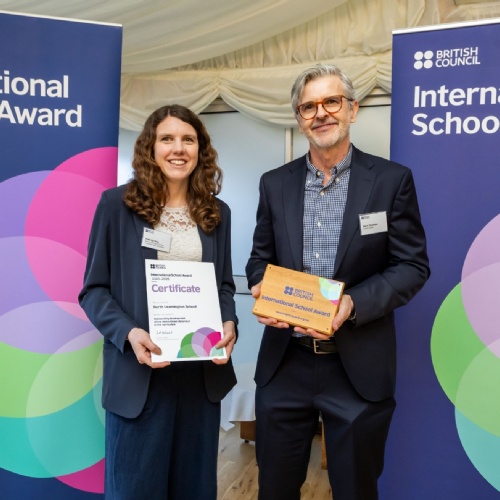
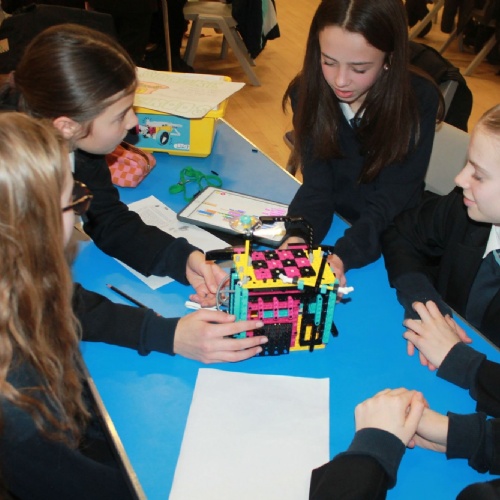
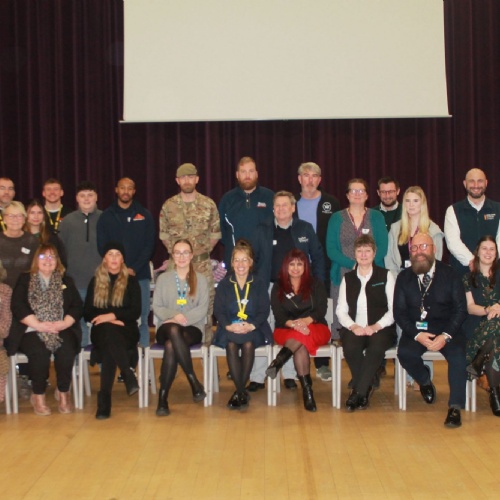

.JPG)


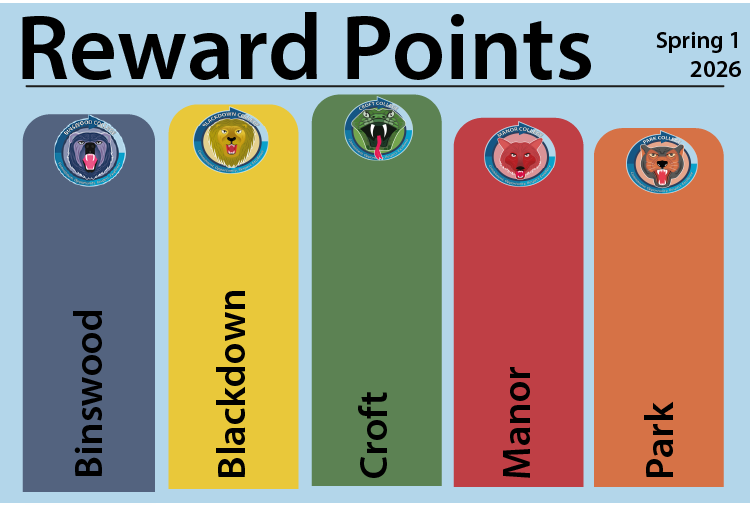

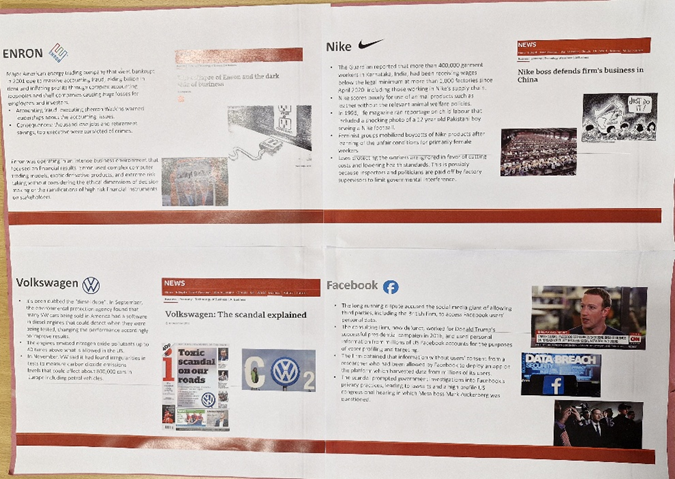
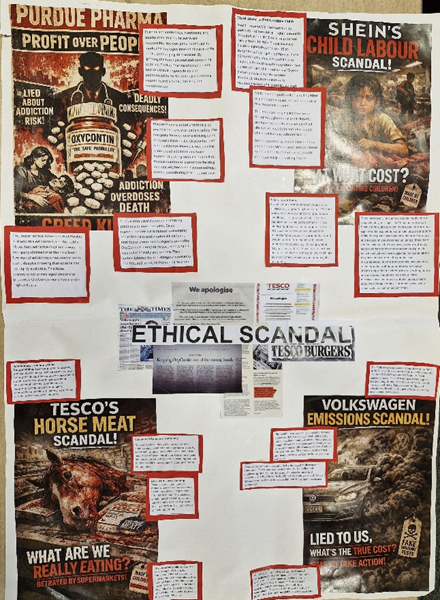
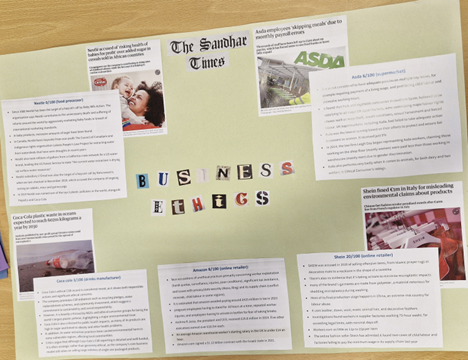


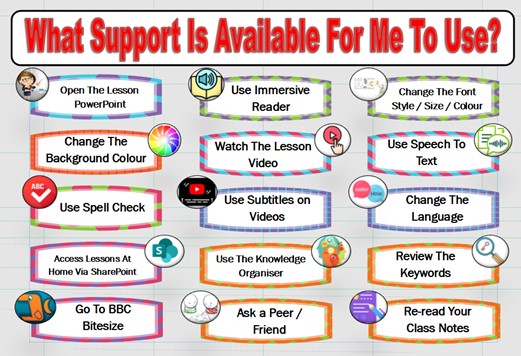
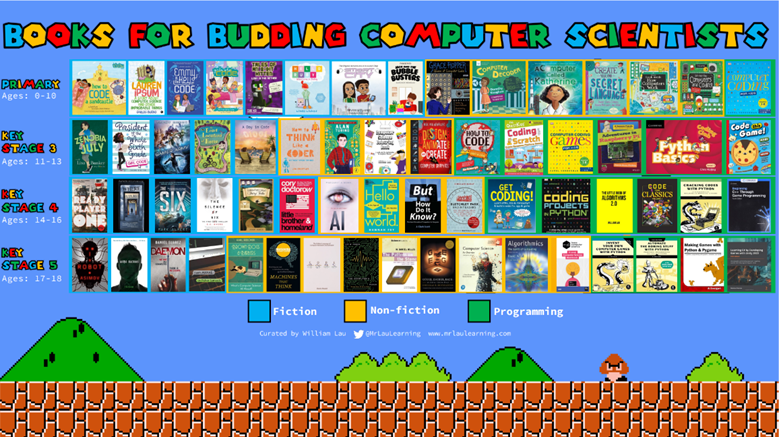

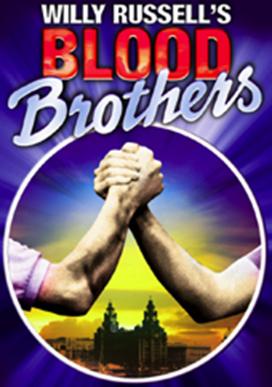

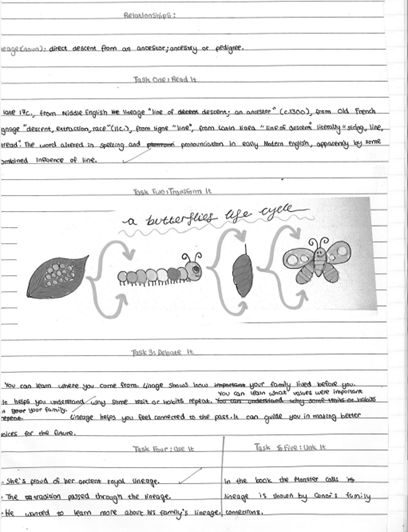 Building on their growing confidence as literary analysts, Year 7 have been diving into A Monster Calls by Patrick Ness and rising brilliantly to the challenge. They have explored the complex relationship between Conor and the monster using structured what/how/why paragraphs, helping them move from spotting key moments in the text to explaining how Ness crafts meaning and why those choices matter. Along the way, students have practised selecting precise quotations, zooming in on language, and shaping clear, thoughtful responses that show real insight into character and narrative voice.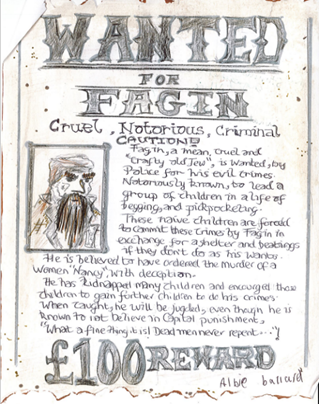
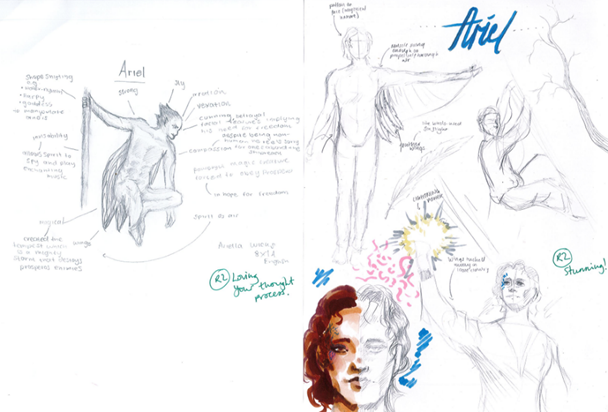
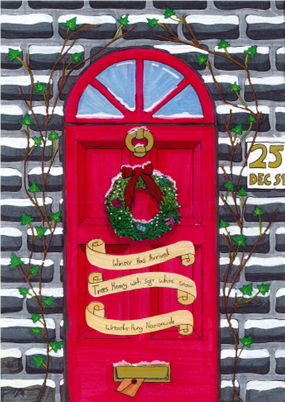
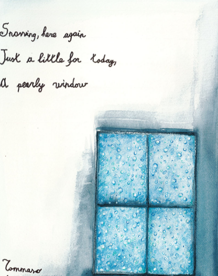
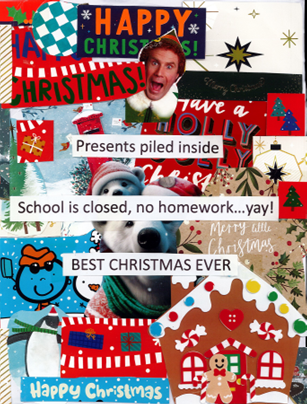
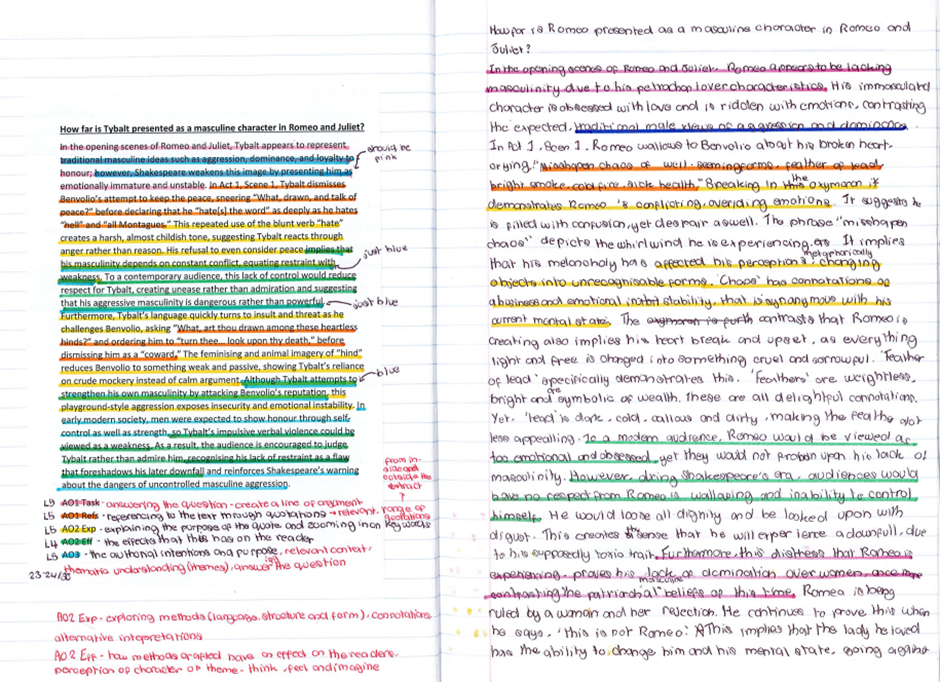
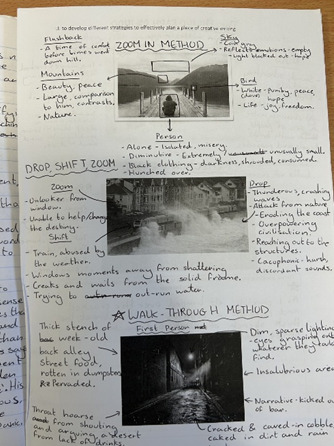
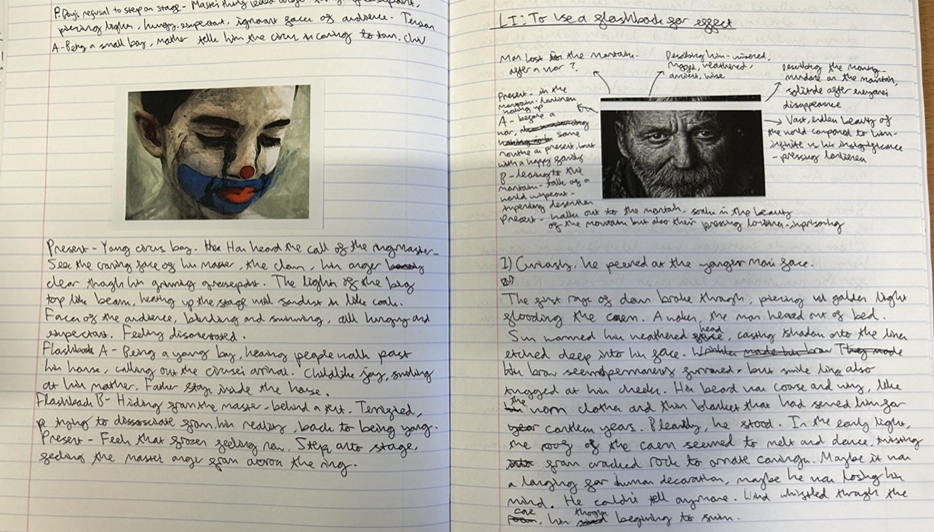

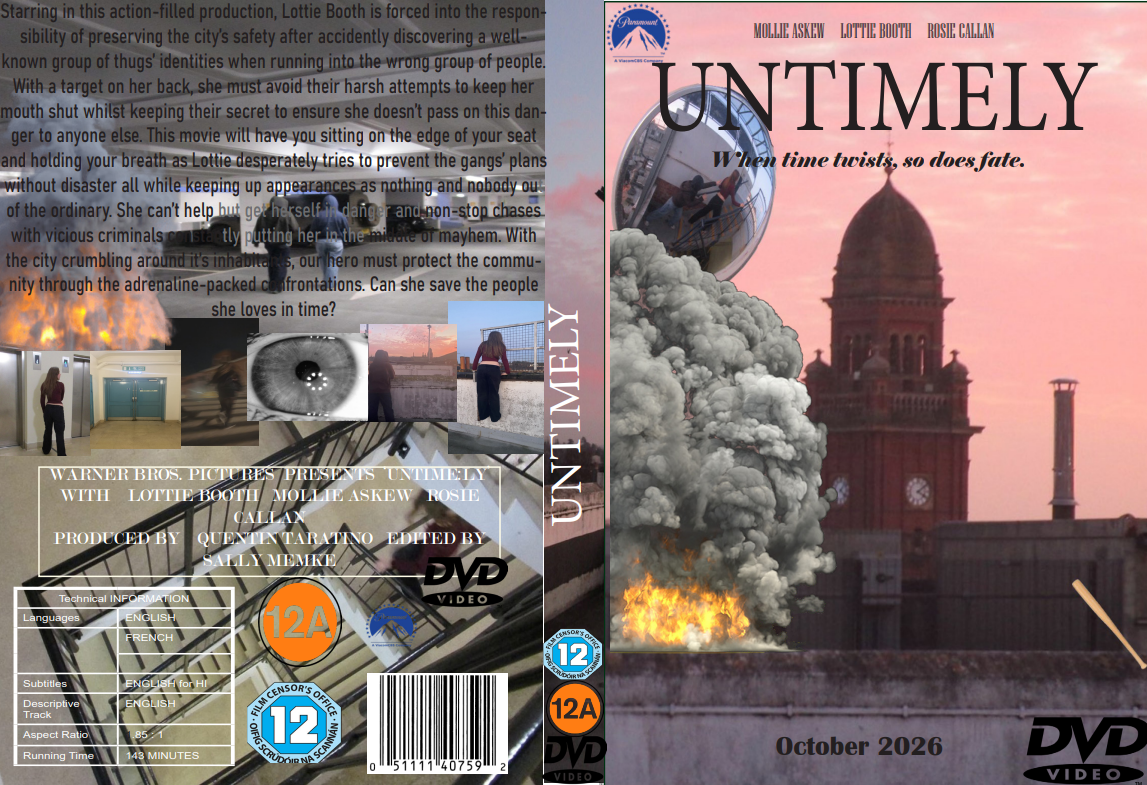

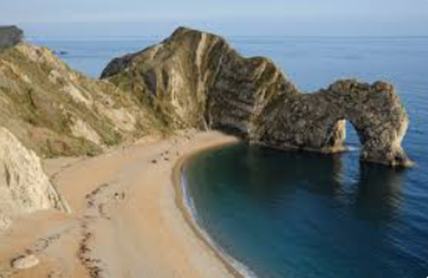






 French
 German

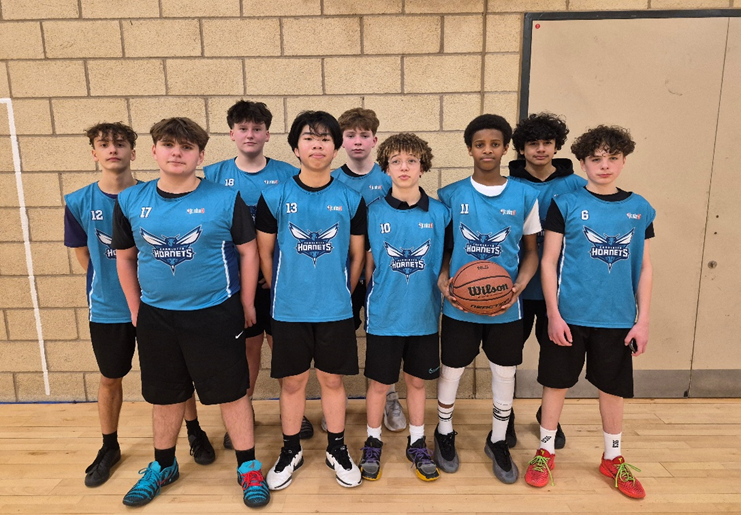
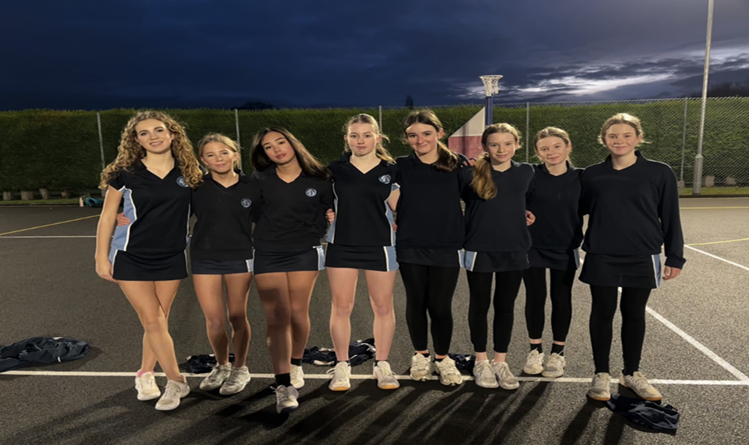
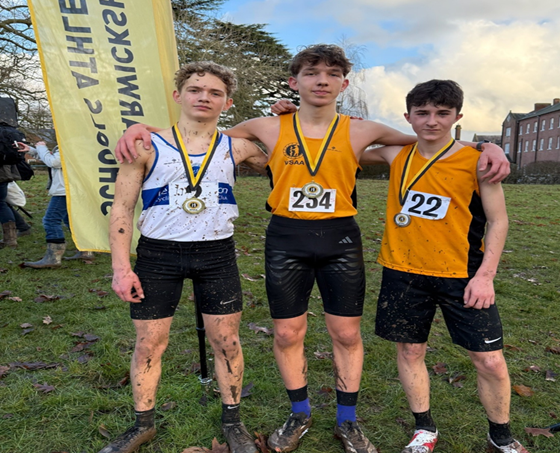




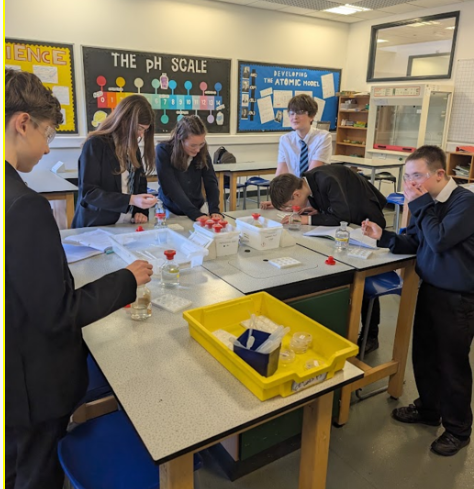
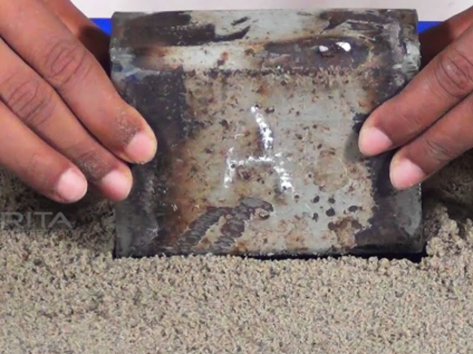
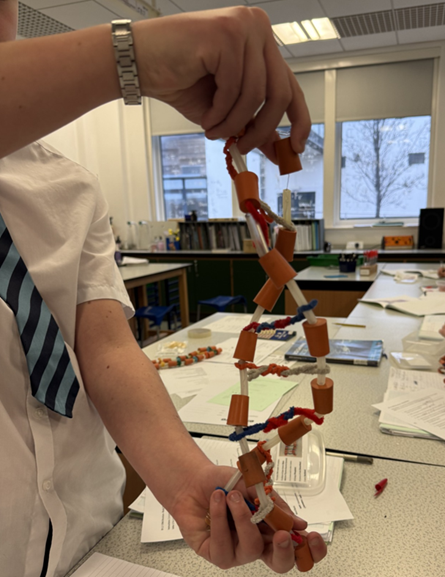
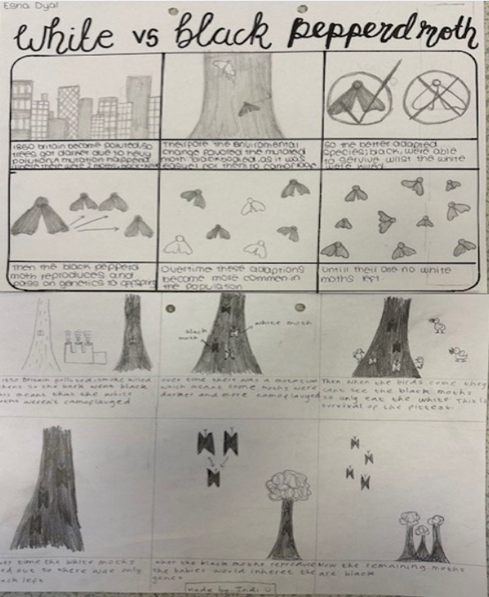
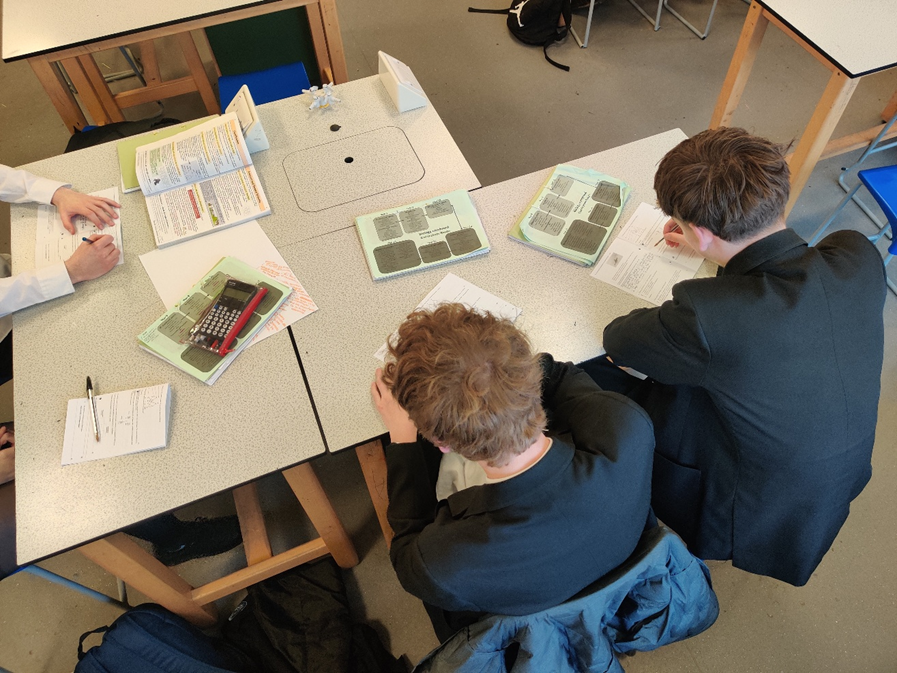
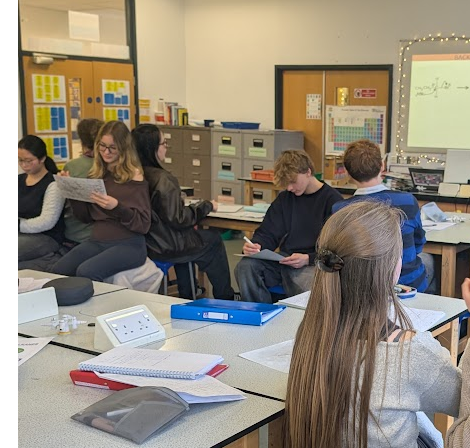
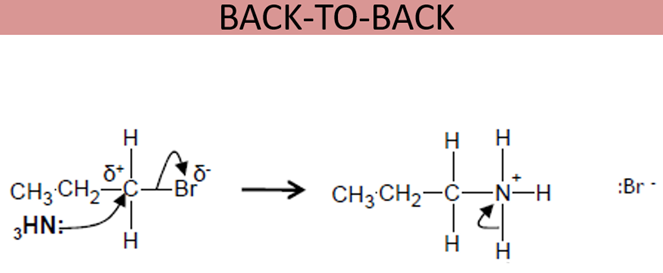
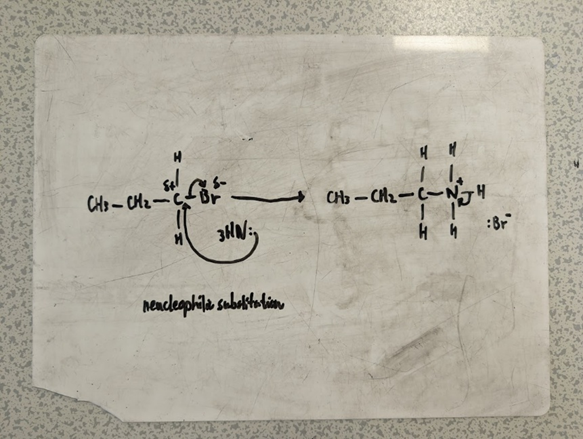
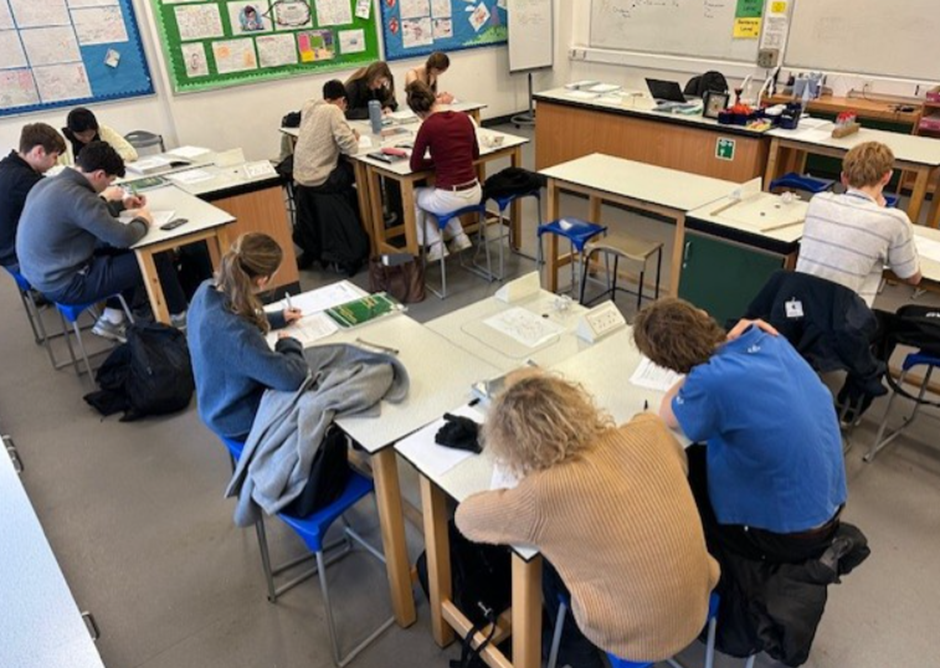

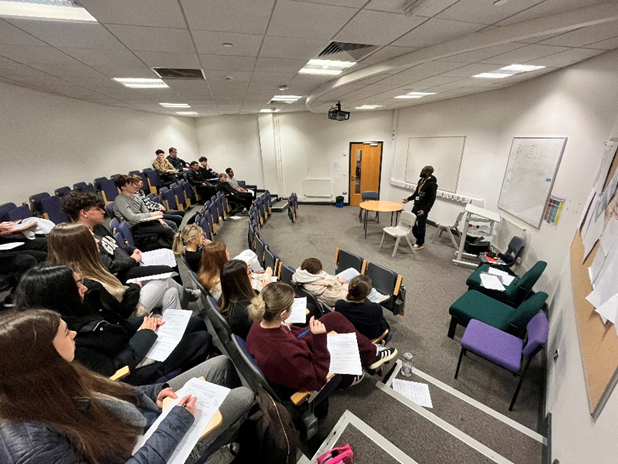



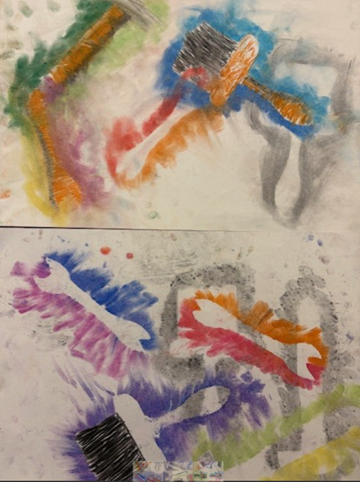
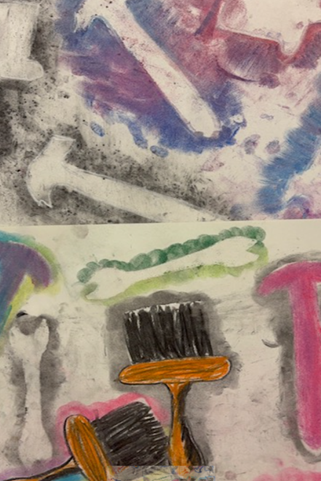
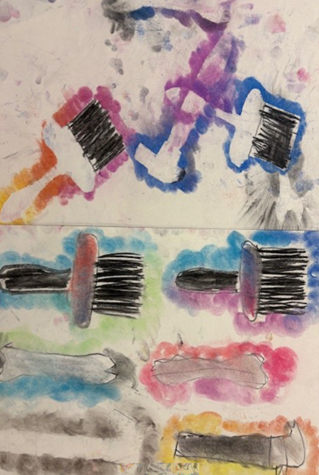
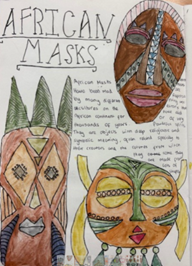
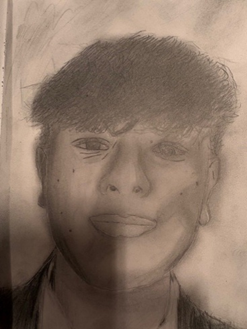
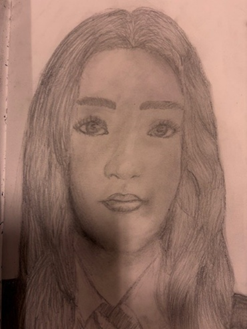
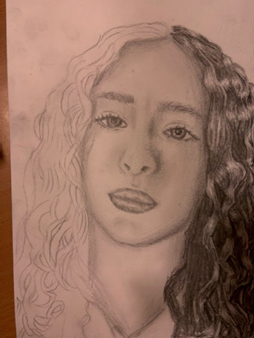
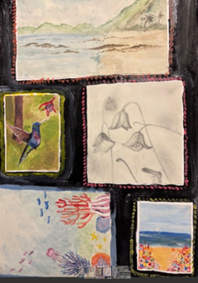
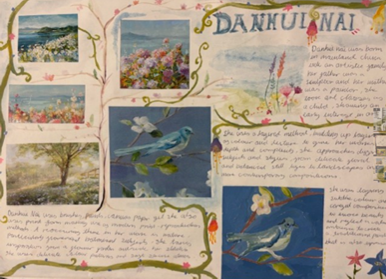
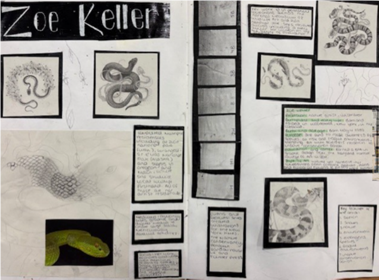
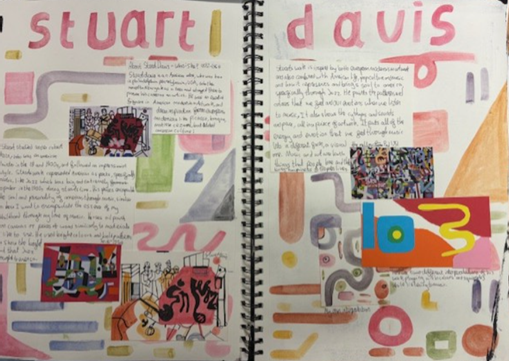
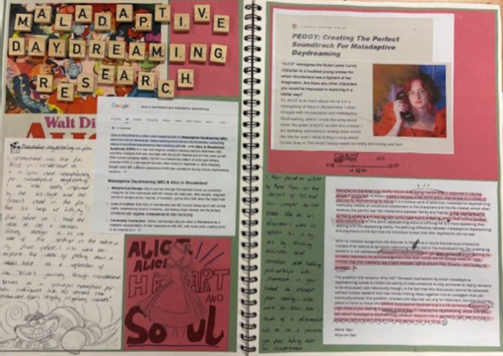
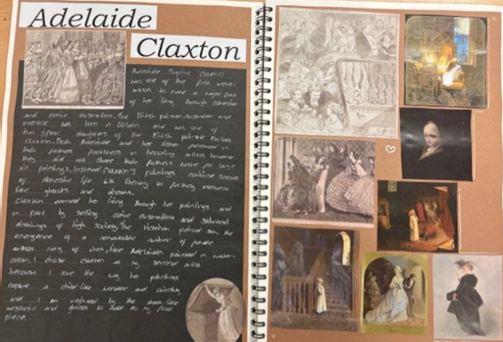
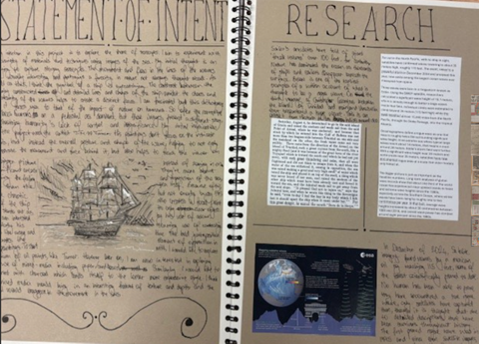
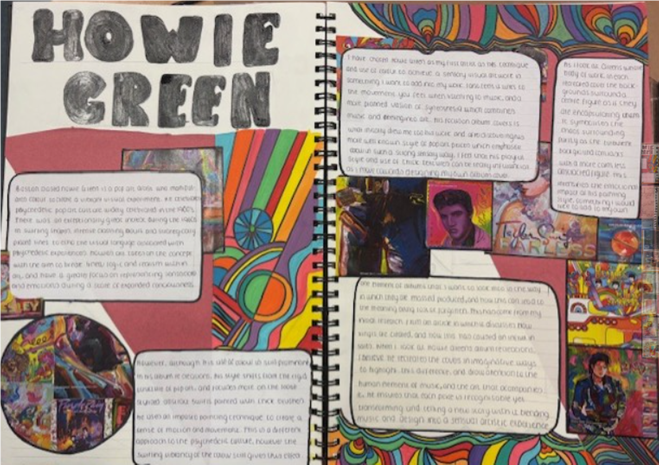

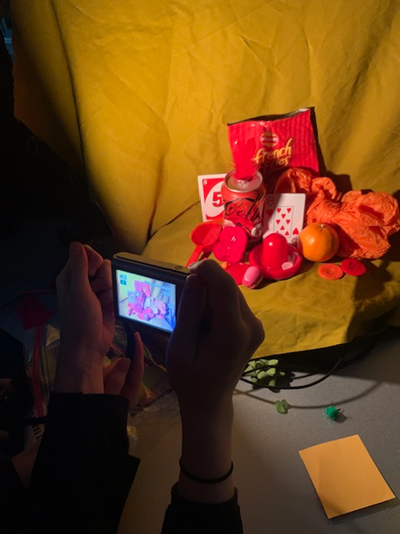
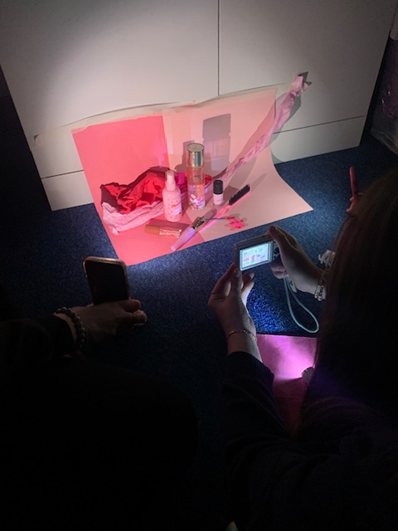
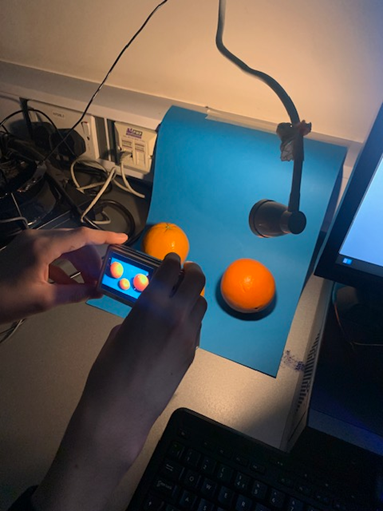
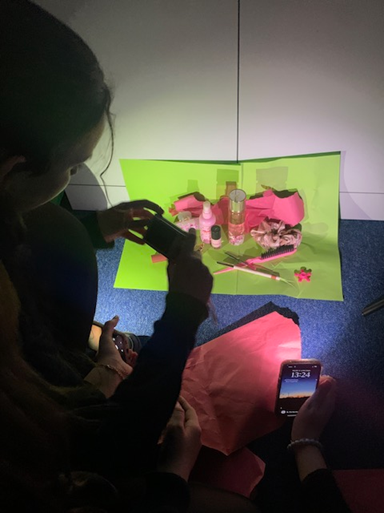
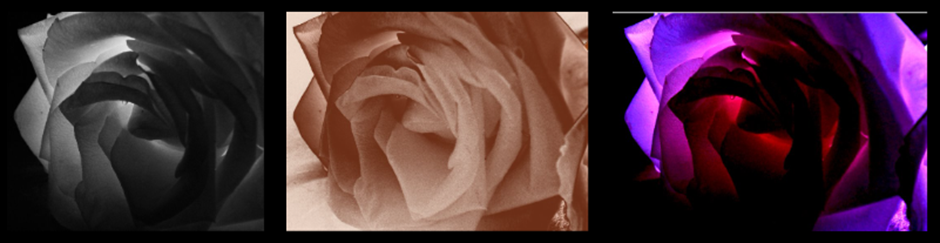
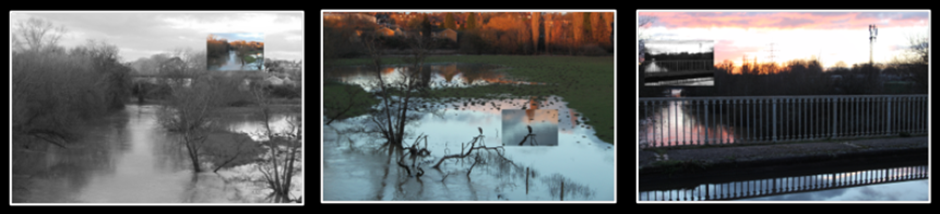

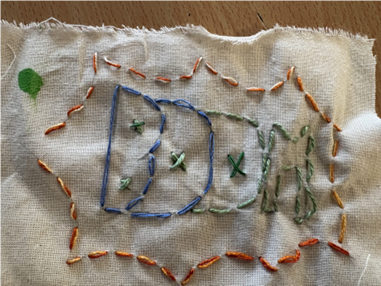
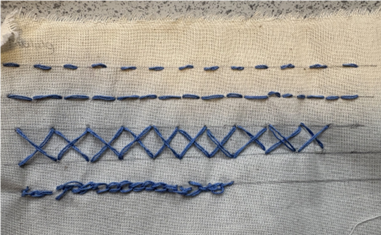
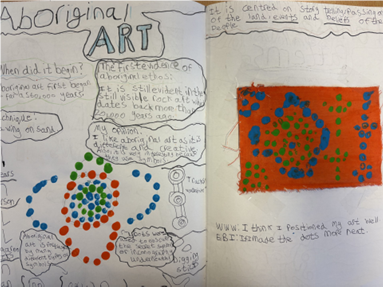
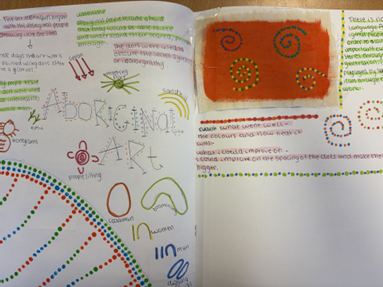
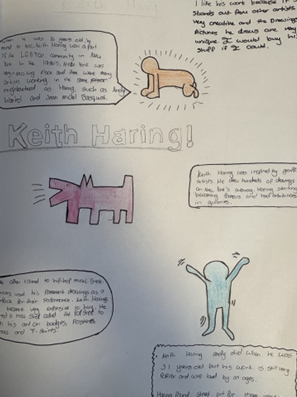
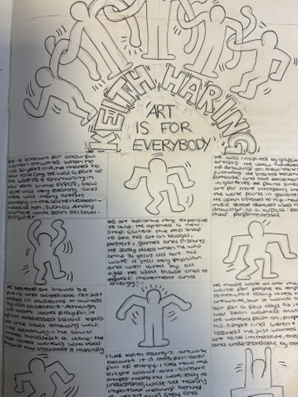
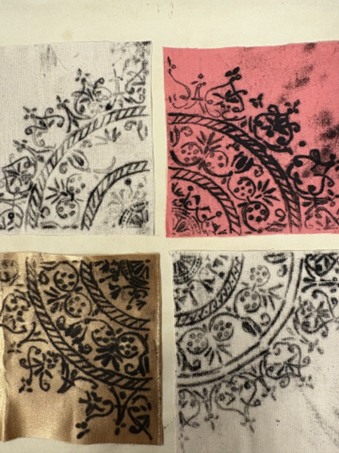
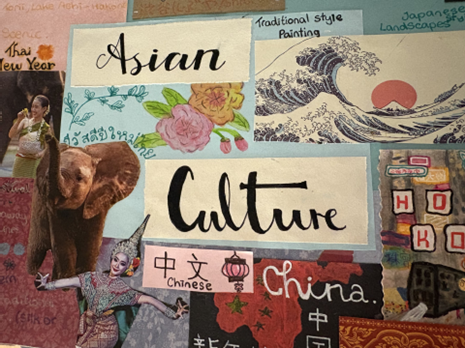
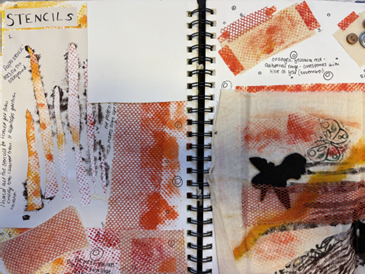
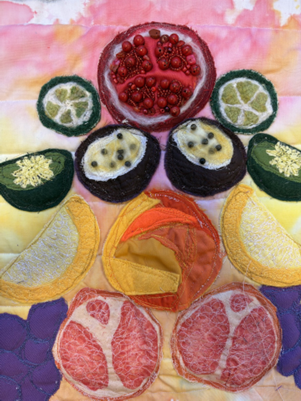
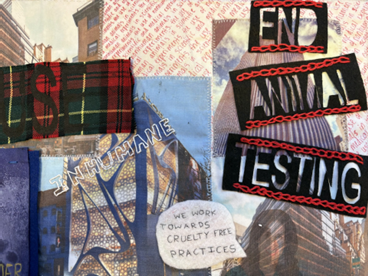

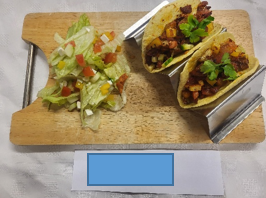
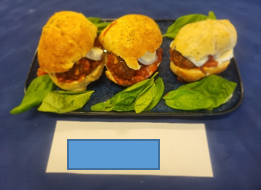
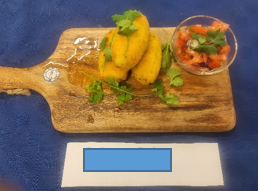
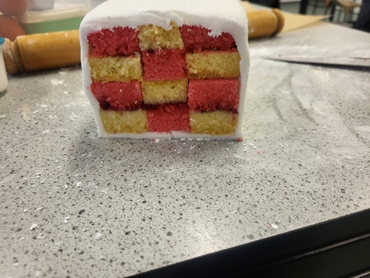
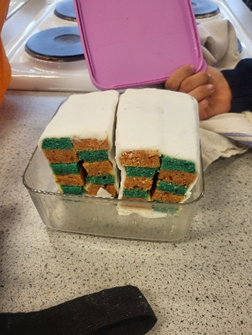
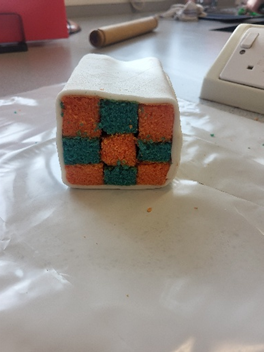
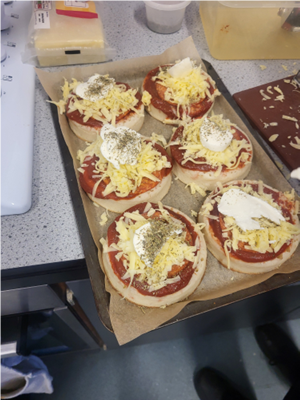
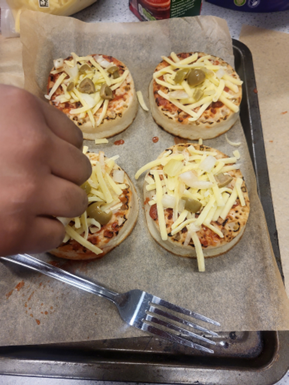
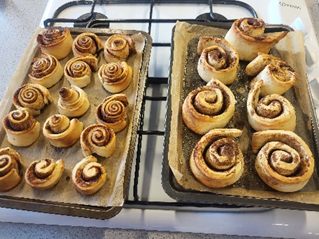
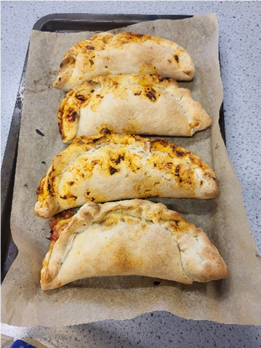
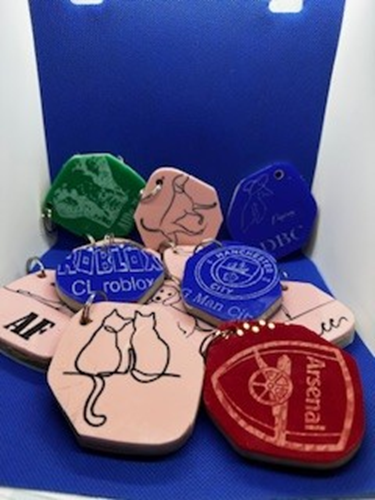 Year 7 students have been buzzing with creativity as they designed and made their own personalised ID luggage tags for their school bags.